
The Upper West Side with Kids: An Easy Family Day
A family-friendly day on Manhattan’s Upper West Side: Museum of Natural History, Gilder Center, Central Park playgrounds, CMOM, and Levain Bakery treats.

⚡ At a Glance Overview
Why We Chose This
The Upper West Side works for families because attractions, park space, food, and recovery points can be kept in a compact area. This repair emphasizes pacing and geography rather than adding more family attractions.
Editorial Notes & Caveats
Museum entry systems, exhibit access, elevator availability, and park facility status change. Check official museum and MTA accessibility information before the day if a timed entry, stroller route, or step-free station is essential.
Traveling in Manhattan with kids can easily become overwhelming if your itinerary requires long subway hops or walking crowded commercial avenues. The Upper West Side (UWS) is Manhattan’s most family-friendly neighborhood because it pairs wide, quiet residential avenues with world-class museums and open green parkland.
Framed by Central Park to the east and Riverside Park to the west, the UWS allows families to move seamlessly between hands-on science exhibits, fenced playgrounds, and kid-approved bakery stops without stress.
1. Why the Upper West Side is Manhattan’s Most Family-Friendly Neighborhood
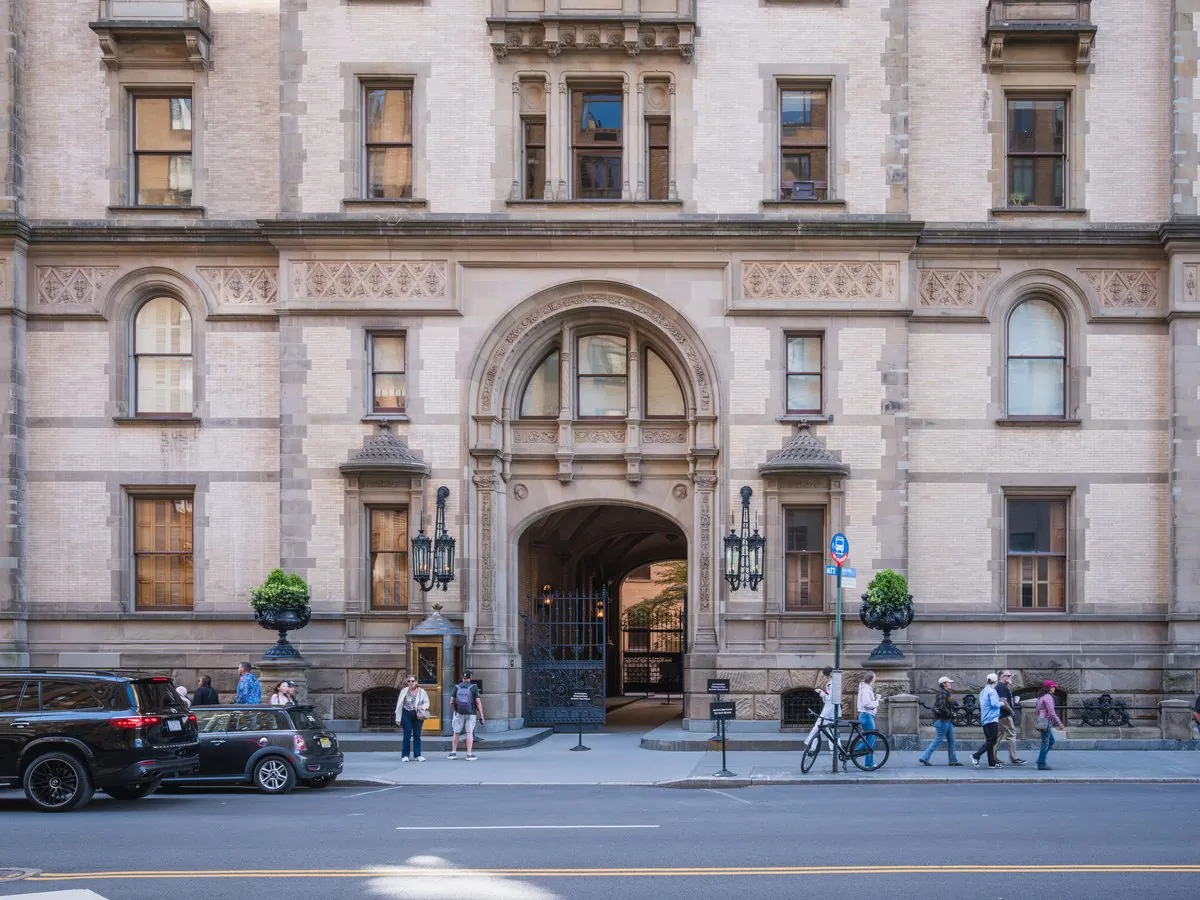
Unlike Midtown or the Financial District, the Upper West Side maintains a relaxed residential character. Sidewalks along Columbus and Amsterdam Avenues are wide and equipped with pedestrian curb ramps, making stroller navigation easy.
The neighborhood is anchored by major family destinations within a 10-minute walk of each other: the American Museum of Natural History, the Children’s Museum of Manhattan, and iconic Central Park playgrounds like the Diana Ross Playground.
2. Morning: American Museum of Natural History & The Gilder Center
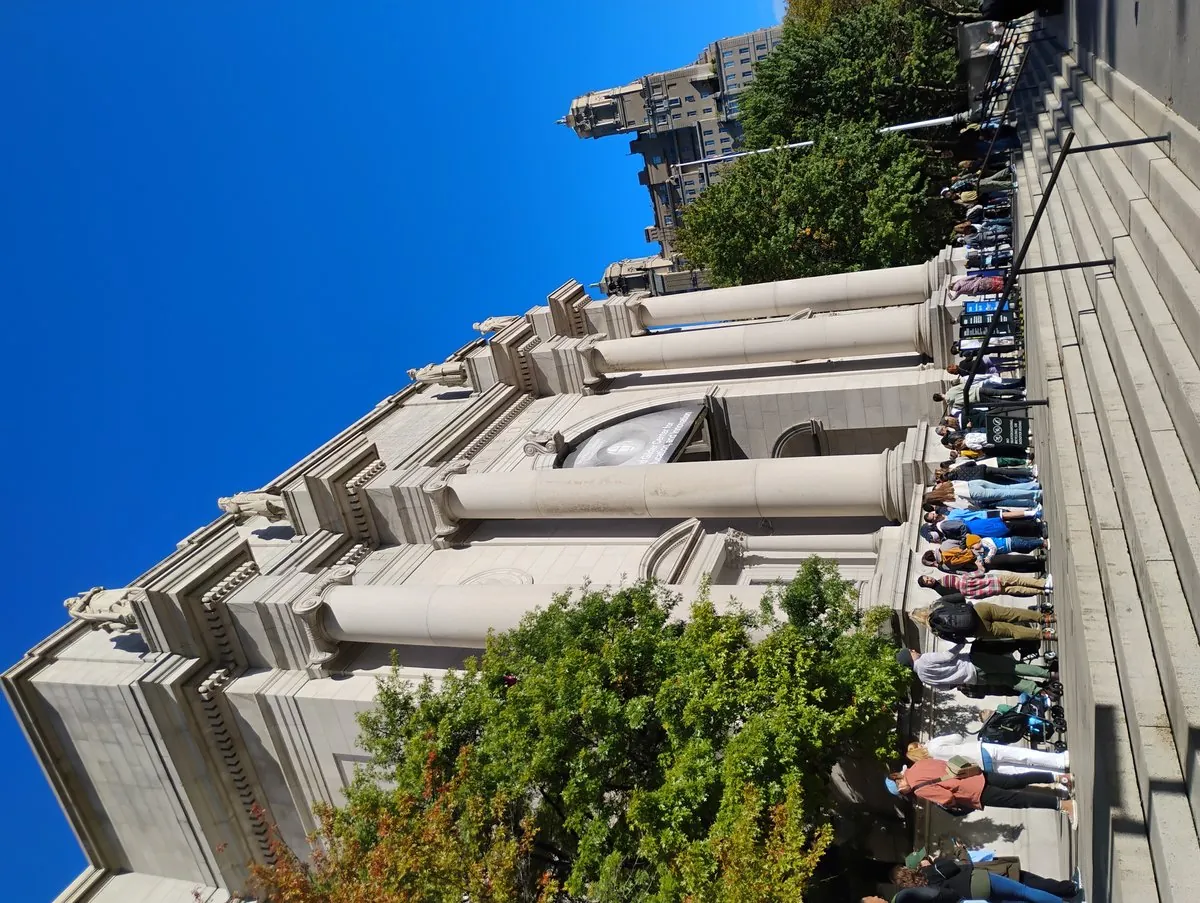
Arrive at the American Museum of Natural History (81st St & Central Park West) at 10:00 a.m. when doors open. Enter via the soaring Theodore Roosevelt Rotunda to see the world-famous Barosaurus dinosaur exhibit.
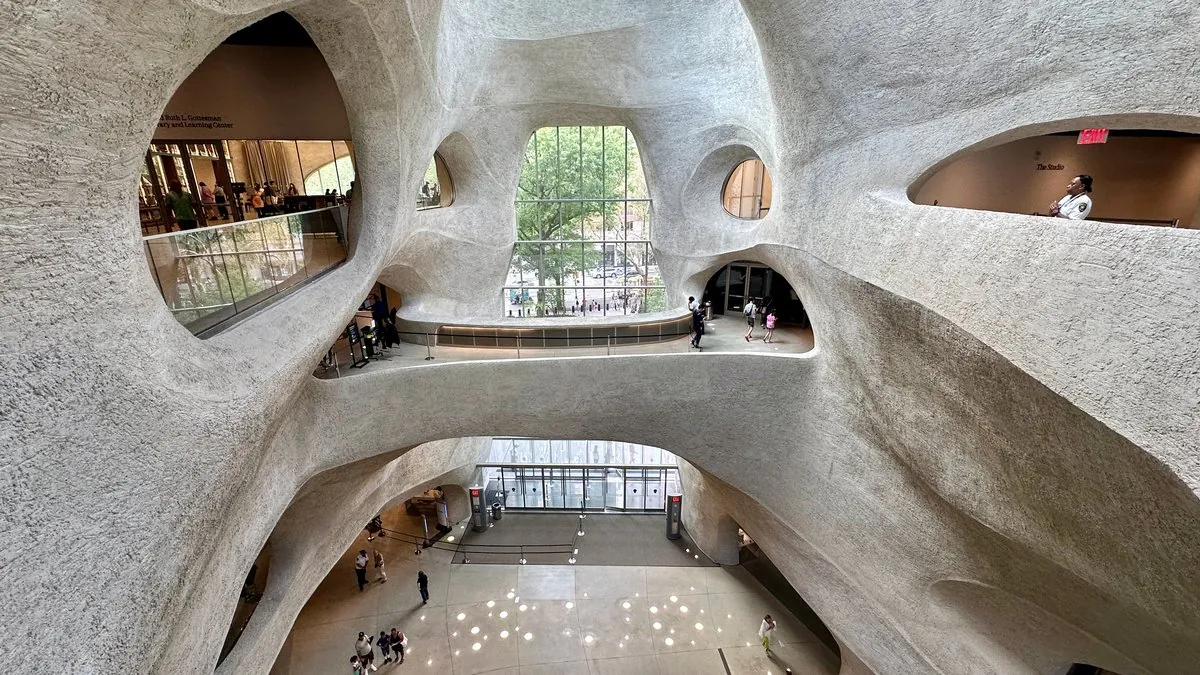
Head straight to the 4th floor Dinosaur Halls before mid-day school groups gather. Afterwards, walk into the breathtaking Richard Gilder Center for Science, Education, and Innovation—its cave-like modern architecture houses the Davis Family Butterfly Vivarium and interactive Insectarium.
Plan 2 to 2.5 hours total. Trying to see all 45 exhibit halls in one visit will cause museum fatigue for young children.
3. Midday: Central Park Playgrounds & Outdoor Lawn Lunch
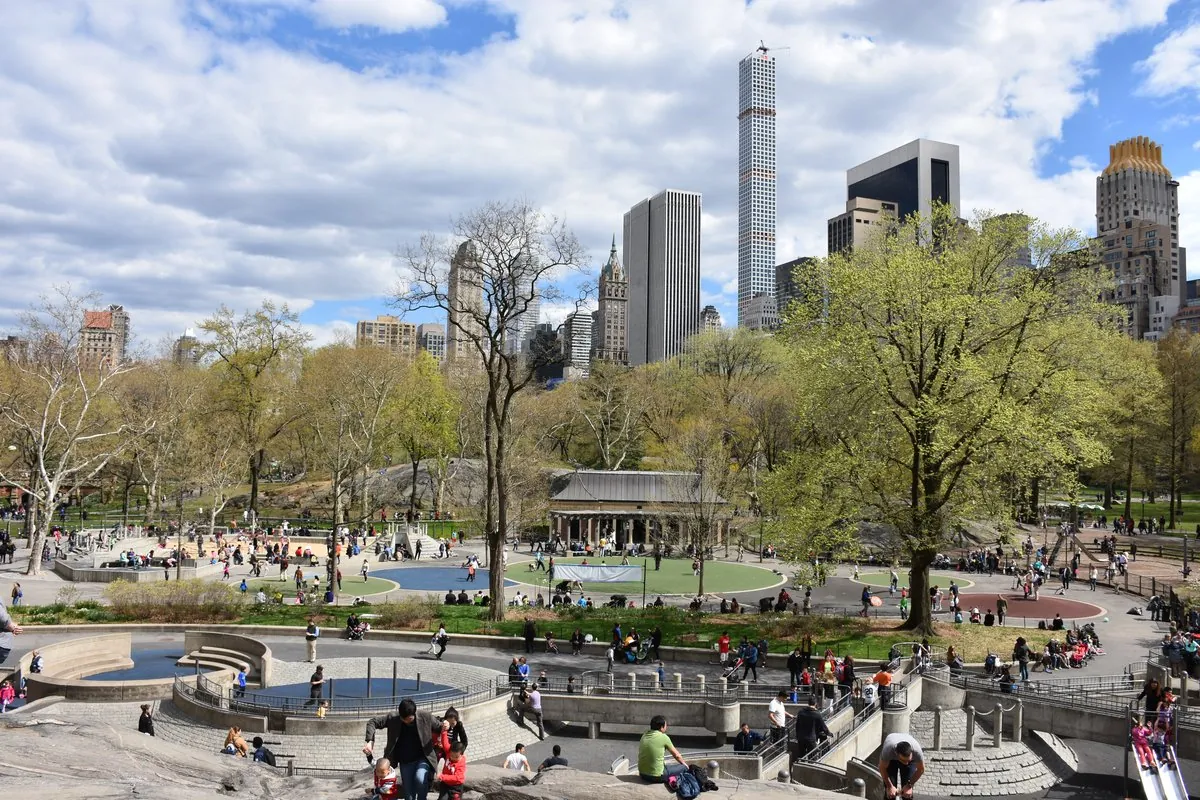
Exit AMNH onto Central Park West and walk directly into Central Park. Just south of 81st Street lies the popular Diana Ross Playground, featuring timber climbing structures, swings, and soft safety surfacing.
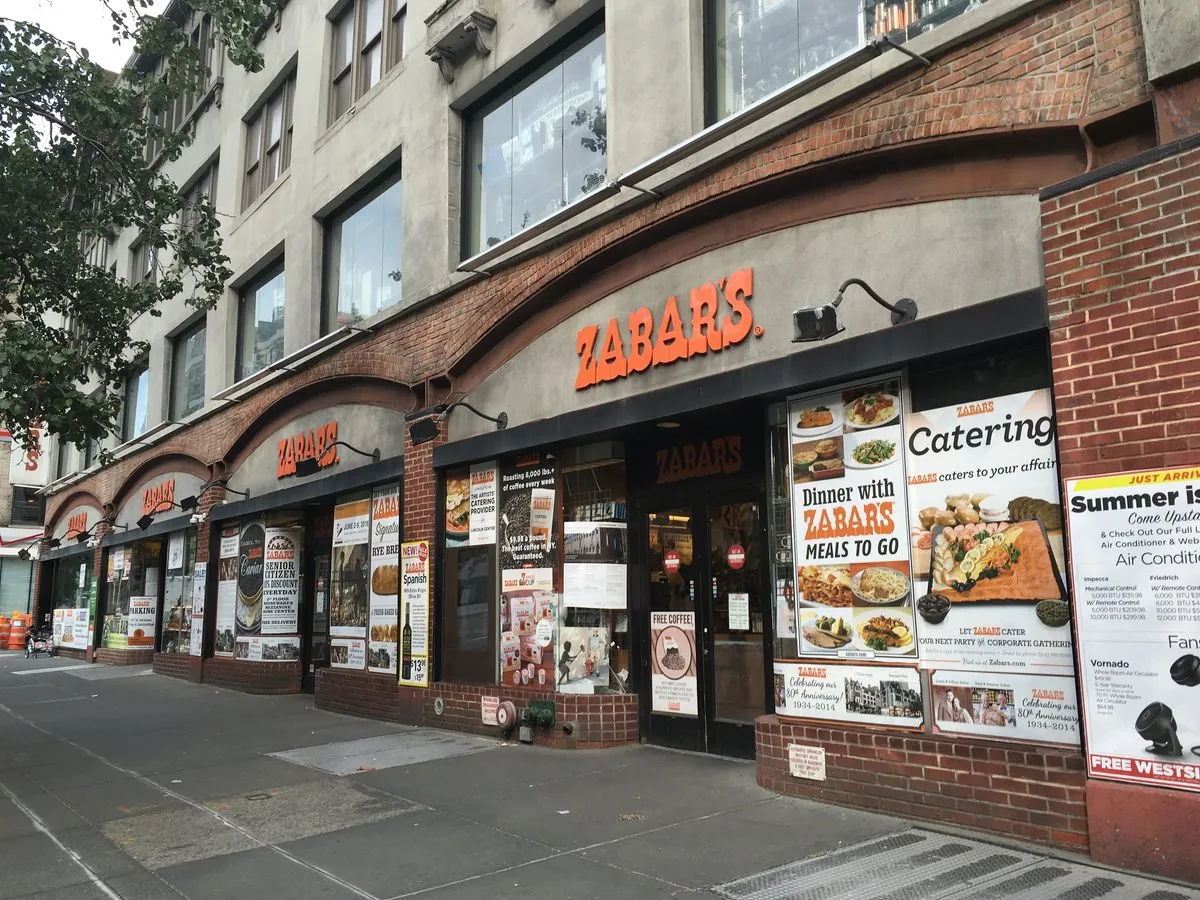
For a peaceful outdoor lunch, grab fresh sandwiches or bagels from a nearby Broadway deli (like Zabar’s or Daily Provisions) and set up a family picnic on the lawns near Arthur Ross Terrace or the Great Lawn.
4. Afternoon: Children’s Museum of Manhattan & Levain Bakery Treats
Walk two blocks west to 83rd Street to visit the Children’s Museum of Manhattan (CMOM). Designed specifically for kids ages 0 to 8, CMOM features multi-story hands-on play areas, water play tables (in summer), and interactive storybook exhibits.
Reward the family at 3:30 p.m. with a stop at Levain Bakery (West 74th St near Amsterdam Ave) for their famous 6-ounce warm chocolate chip walnut cookies, or grab handcrafted ice cream at Emack & Bolio’s.
5. Stroller Logistics, Restrooms & Family Pacing
To keep your UWS family day low-stress, follow these practical travel tips:
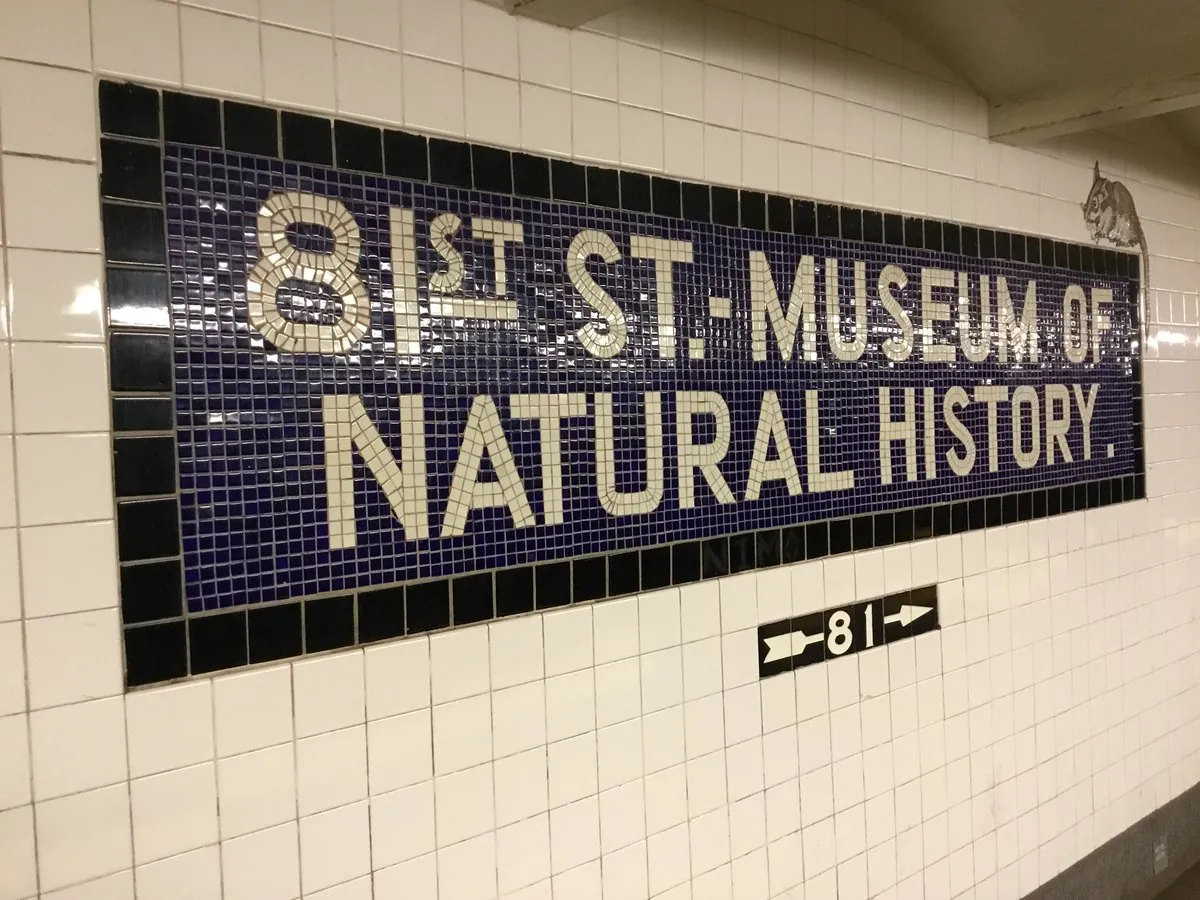
- Subway Accessibility: Use the 72nd Street station (1/2/3 lines) or 81st Street-Museum of Natural History station (B/C lines), both equipped with elevator access.
- Restrooms & Nursing: AMNH and CMOM offer clean, fully equipped family restrooms and dedicated nursing areas.
- Stroller Parking: CMOM requires stroller checking at the entrance; pack a lightweight fold-up stroller if visiting multiple indoor venues.
- Pacing: Limit indoor museum time to 2.5 hours max, followed by outdoor park play.
What to skip
- Skip trying to visit both AMNH and the Metropolitan Museum of Art in the same day with children.
- Skip waiting in 45-minute weekend ticket lines; buy AMNH timed-entry tickets on your phone in advance.
- Skip dragging heavy double strollers into small side-street boutiques.
- Skip rigid hourly schedules; leave 1.5 hours open for spontaneous park play.
- Skip expensive sit-down restaurants during peak lunch hours when park picnics are more fun for kids.
Who will enjoy this itinerary most
- Families traveling with toddlers, young kids, or pre-teens looking for a well-paced NYC day.
- Parents wanting a walkable, stroller-friendly neighborhood with low traffic stress.
- Dinosaur and space enthusiasts wanting to experience AMNH without museum exhaustion.
Timing and budget without false precision
AMNH tickets run $28 for adults and $16 for kids. CMOM entry is $17 per person. Central Park playgrounds are free. Budget $15 to $25 per person for picnic food, cookies, and drinks. Plan 5 to 6 hours total for a relaxed family day.
A 5-step UWS family day schedule
- 1. 10:00 a.m.: Explore AMNH Dinosaur Halls and the new Gilder Center.
- 2. 12:30 p.m.: Grab deli sandwiches and picnic in Central Park near Arthur Ross Terrace.
- 3. 1:30 p.m.: Let kids run free at Central Park’s Diana Ross Playground.
- 4. 2:30 p.m.: Visit the hands-on Children’s Museum of Manhattan (CMOM) on 83rd St.
- 5. 4:00 p.m.: Finish with giant warm cookies at Levain Bakery on West 74th Street.
The final call
The Upper West Side proves that New York City can be wonderfully relaxing for families. Pair world-class science with park play and bakery treats for an unforgettable NYC family day.
The Upper West Side works because the day can stay small
The family advantage here is not that every block contains an attraction. It is that a museum, a park reset, a simple meal, and the trip back to the hotel can often happen without crossing Manhattan. That reduces the number of transitions, and transitions are usually what exhaust children: packing the stroller, finding the correct subway entrance, waiting for an elevator, then repeating the process an hour later.
For most families, one major anchor is enough. Make AMNH the anchor if the child is excited by natural history, or make Central Park the anchor if movement matters more than galleries. Everything else should support that choice. The neighborhood becomes stressful only when adults try to turn its proximity to many good options into a requirement to visit all of them.
Museum first or park first?
Museum first is the safer shape when you have a timed entry, the forecast may worsen later, or the child has the most focus in the morning. Enter with a short target list, leave before everyone is hungry, and use the park as decompression rather than a second attraction. This rhythm is especially good for children who can manage structured looking but need movement afterward.
Park first works when the child wakes with energy to burn, the weather is comfortable, and the museum is a flexible afternoon possibility rather than the reason for the day. Keep the park segment bounded. Central Park can swallow hours, and a long playground session followed by a full museum often produces exactly the late-afternoon crash the neighborhood is supposed to help you avoid.
Keep lunch deliberately uncomplicated
Family lunch does not need to be the culinary centerpiece of the day. The useful meal is close to the current route, tolerant of children, and quick enough that the family does not spend the best weather window waiting for a table. If everyone is hungry after the museum, walk toward food rather than crossing the park in search of a famous name.
A picnic can work when the weather is stable and you already know where the food and restroom are coming from. It is less attractive when the family must carry a full meal through a museum or hunt for supplies after a child is already tired. Decide the meal format before the morning anchor ends. Reducing one decision at noon has an outsized effect on the rest of the day.
Use the park as a reset, not a distance challenge
Families do not need to cross Central Park to say they visited it. On an Upper West Side day, a playground, a lawn edge, a short path, or a loop around a nearby feature can provide the change of pace that the museum cannot. The moment the park becomes a long march to an east-side attraction, the simple neighborhood day turns into a crosstown logistics exercise.
This is also where stroller and restroom planning matters. A child who needs a bathroom or a quiet snack does not care that the next landmark is only twelve minutes away on an adult map. Keep the family near exits and known reset points. If the group is still energetic after the reset, add more. If not, the day has already succeeded.
Know when the Upper West Side is the wrong family day
Choose another neighborhood if the child’s main interest is downtown ships, bridges, Chinatown food, or a specific attraction far from the west side. The UWS should not be inserted into every family itinerary simply because it is comfortable. A long trip to the neighborhood for a generic playground is poor trade when an equally useful playground or indoor stop exists beside the day’s main anchor.
It is also a weaker choice for a family trying to combine several ticketed Midtown attractions in one day. In that case, staying close to those commitments and using a smaller nearby park break may be more realistic. The Upper West Side is at its best when you allow the neighborhood to be the day, not when you use it as a morning detour before an overloaded afternoon elsewhere.
Let the child’s age change the pace, not the whole neighborhood
Toddlers need shorter museum promises, more floor-level movement, and earlier food. School-age children can handle a stronger museum anchor if they helped choose the halls. Tweens may prefer a specific exhibit, a bookstore, or a food stop over another playground. The neighborhood does not need a different itinerary for every age; it needs different expectations for how long each segment should last.
For siblings with a wide age gap, alternate control. Let one child choose the museum target and the other choose the park or snack stop. This creates a day that feels negotiated rather than imposed. It also makes it easier to stop: once each child has received one promised part of the plan, the adults do not need to keep adding activities to prove the day was complete.
If naps still structure the day, protect the nap window before adding anything optional. A stroller nap through a calm park edge may work; a transfer-heavy journey to a second neighborhood usually does not. For older children, the equivalent constraint is attention: one long line late in the afternoon can undo a very good day. Keep the final segment easy to abandon.
A useful test is to ask what happens if the child wants to stop after the first anchor. If the answer is still a pleasant walk, easy food, and a simple trip back, the plan is well shaped. If stopping early leaves the family stranded far from bags, dinner, or the hotel, the itinerary is carrying too much dependency. Build the UWS day so an early exit still feels like a complete day rather than a failed one.
The same logic helps with dinner. If the family has already used its attention budget, choose the closest uncomplicated meal and end the day. Crossing town for a destination restaurant after a full museum-and-park sequence is rarely the part children remember fondly.
Suggested Route & Mini Plan
1. Morning: American Museum of Natural History Dinosaur Halls & Gilder Center.
2. Midday: Picnic & playground fun in Central Park.
3. Afternoon: Children’s Museum of Manhattan & Levain Bakery cookies.
Curated Alternatives
Toddler-Focused UWS Day Plan
If traveling with toddlers under age 5, spend more time at the Children’s Museum of Manhattan (83rd St) and nearby Central Park playgrounds rather than a full day inside AMNH.
Teen-Friendly Science & Culture Route
If traveling with older kids and teens, pair AMNH dinosaur halls with a stroll to Lincoln Center and an evening film or performance.
Riverside Park Outdoor Adventure
If weather is perfect, swap indoor museums for an all-out outdoor afternoon exploring Riverside Park and the Hudson River Greenway playgrounds.
Frequently Asked Questions
Are strollers allowed inside the American Museum of Natural History?
Yes, strollers are permitted in all general exhibit halls. However, due to high density, strollers may need to be parked outside specific special exhibits like the Butterfly Vivarium.
How much time do you need at the Natural History Museum with kids?
Aim for 2 to 2.5 hours. Focus on top highlights—like the 4th floor Dinosaur Halls, Blue Whale in Ocean Life, and the Gilder Center—to keep kids engaged without fatigue.
Are Upper West Side subway stations stroller-accessible?
Yes! The 72nd Street 1/2/3 station and 81st Street B/C station both have elevators for full stroller accessibility.
What is the best museum on the Upper West Side for toddlers?
The Children’s Museum of Manhattan (CMOM on 83rd St) is specifically designed for toddlers and young children up to age 8 with hands-on play exhibits.
Our recommendations are handpicked independently. No paid placement, no sponsored rankings. How we choose