
Neighborhood hub
Lower Manhattan in a Day Without Collecting Landmarks
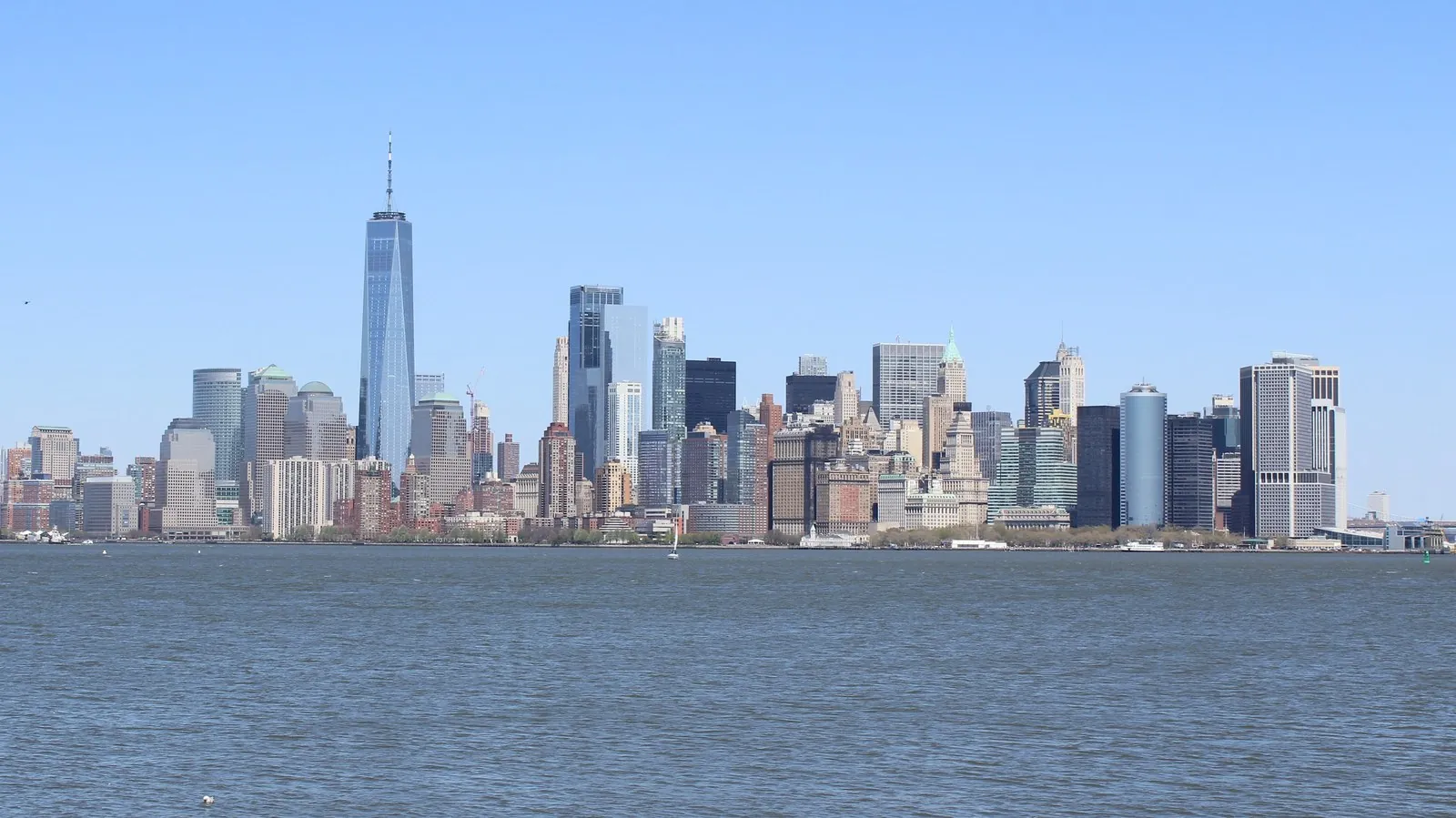
Lower Manhattan packs harbor views, civic history, and vertical skyline into a walkable downtown spine—if you resist treating every famous name as a mandatory checkbox. This hub helps you decide whether that downtown day fits your trip and points you to the WhyManhattan plans that actually execute it.
Reader question: Should I spend a full day in Lower Manhattan—and how do I avoid landmark checklist fatigue?
Who it fits
First-time visitors who want American history and harbor geography on foot, travelers with one disciplined downtown day before a flight or ferry, and anyone who prefers a routed walk over hopping between unrelated photo stops. Lower Manhattan suits walkers comfortable with cobblestones, timed ferry windows, and choosing two ticketed stops—not six.
Who should pick another area
Skip Lower Manhattan as a default if you only want quiet cobblestone cafés (see Tribeca), cast-iron shopping (SoHo), or museum-heavy uptown days without downtown stairs. Pick Midtown if Broadway and Central Park anchor the trip, or stay in Brooklyn if the bridge walk is the only downtown goal and you do not want the FiDi loop at all.
Thinking about staying in Lower Manhattan?
Use the where-to-stay chooser to compare this neighborhood with other Manhattan bases using your trip anchor, noise tolerance, budget, kids, transport priority, and trip length. Then use How to Choose Where to Stay in Manhattan to check the exact hotel door, final payable room total, cancellation terms, and the route you will repeat most.
How much time is realistic
A honest full day (seven to nine hours on foot with breaks) or a focused half day (four hours) if you pre-cut ticketed stops. Lower Manhattan fails when you schedule Statue/Ellis, One World Observatory, 9/11 Museum, Brooklyn Bridge, and Chinatown dinner in one breath without south-to-north routing.
Lower Manhattan is where New York’s harbor story and its skyscraper story overlap. Visitors often arrive with a list—Statue, bull, memorial, bridge—and leave exhausted because the list ignored geography. The neighborhood works when you treat downtown as one south-to-north walking spine with explicit cuts, not as a scavenger hunt for every landmark icon on a map pin.
What Lower Manhattan is actually good at
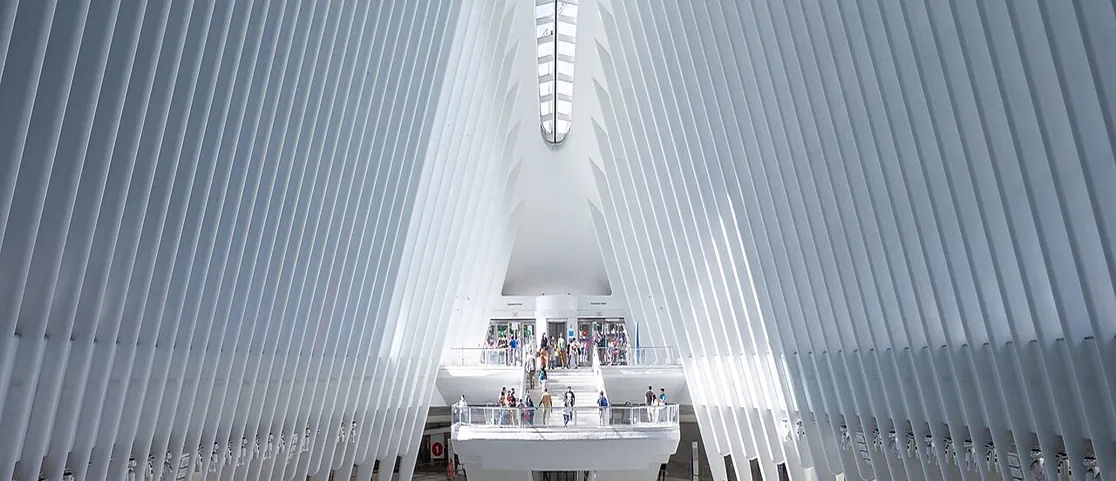
The durable strength is density of civic meaning on foot. Battery Park and the harbor edge, Wall Street’s narrow lanes, Trinity Church’s churchyard, the 9/11 Memorial’s plaza rhythm, the Oculus concourse, and the Brooklyn Bridge approach can connect in one day if you walk harbor-to-bridge instead of taxi-hopping between names.
Waterfront access matters as much as towers. The Staten Island Ferry is a free harbor ride with skyline views if you accept the time cost. Hudson River Park and Battery esplanades give family legs a reset without a second neighborhood transfer. That is different from Tribeca’s quiet loft blocks—here the harbor is the anchor, not a sunset afterthought.
Food at the end of the spine often lands in Chinatown or the Lower East Side—not in tourist plaza pricing. Our affordable downtown eats guide handles dumplings, roast pork counters, and slice stops when Stone Street feels like a trap. The hub assumes lunch is part of routing, not an accidental overspend.
When a downtown day is worth it
Lower Manhattan rewards travelers who can name what they are skipping. The failure mode is collecting landmarks until feet and patience fail, then blaming the neighborhood for being “too much.” A better frame is two ticketed choices, one long walk, one meal anchor—then stop.
- Worth it: you want harbor history and skyline on the same walking day.
- Worth it: you booked one museum or memorial block and will protect time for the bridge or Chinatown finish.
- Worth it: you are staying downtown and want to minimize cross-Manhattan transit.
- Shrink the plan: you only have two hours before an airport run—pick one stop, not five.
- Shrink the plan: you wanted Tribeca calm and accidentally scheduled FiDi landmarks anyway.
Weekday mornings are easier at memorial plazas; weekend afternoons stack bridge pedestrians and Chinatown lunch crowds. Summer heat pushes harbor segments early; winter favors shorter outdoor loops with Oculus or Brookfield indoor passages as warm corridors.
How to think about the day—not the hour-by-hour list
Our one-day Lower Manhattan guide is the executable route: Battery-to-bridge sequencing, ticket timing, and realistic cuts. This hub only explains why that shape exists so you do not open the itinerary before deciding the day belongs in your trip at all.
1. Pick your ticketed stops before you walk
Choose at most two paid interiors you care about—9/11 Museum, One World Observatory, or a timed harbor cruise—not all three plus every free statue viewpoint. Free plaza time at the memorial and a ferry ride can carry the emotional weight without stacking admissions.
2. Commit to a south-to-north spine
Start at the harbor when ferries or Battery views matter; move north through FiDi lanes toward the bridge or Chinatown exit. Backtracking from bridge to Battery mid-afternoon is the usual time killer. If the bridge is your only goal, start there off-peak and cut FiDi—not the reverse.
3. End with food that matches your budget
Stone Street and Brookfield concourse work for convenience, not value. When price matters, walk the extra ten minutes to Mott Street counters or read our affordable eats piece before you are hungry. A disciplined downtown day often saves money at lunch, not breakfast.
Rain days still work if you treat Brookfield Place and the Oculus as connective tissue between short outdoor memorial segments—not as a shopping mall detour. Lower Manhattan’s indoor passages are practical when weather turns; they are not the reason you came unless warmth is the goal.
Tribeca is not the same downtown plan
Tribeca trades landmark density for cobblestone calm and reservation dining. Lower Manhattan trades quiet for civic gravity—memorial plazas, canyon streets, harbor ferries. You can pair both in one trip only with separate half days; stacking them into one rushed afternoon usually means neither pace works.
Financial District without a separate article yet
Much of this spine runs through the Financial District’s weekday canyons and weekend quiet. We treat FiDi as geography inside the downtown day, not as a second checklist. The Statue and Ellis Island spotlight covers the harbor island decision; WM-068 will extend FiDi pacing after harbor stops when it publishes.
What to read next on WhyManhattan
Open the Lower Manhattan one-day guide when you are ready to walk hour-by-hour. Use affordable downtown eats when lunch budget is the constraint—not when you already committed to a Stone Street splurge. Skip observation-deck articles until you have cut your ticket list to what you actually want.
Compared with Midtown and the Village
Midtown sells vertical icons and theater energy; Lower Manhattan sells harbor history and narrow lanes. The West Village sells residential pace. Do not try to “also do” Empire State and Wall Street on the same first day unless transit time is honestly in your calendar.
If your trip is museum-heavy uptown, consider whether downtown belongs on a second day with fresh legs—not as an appendage after a Met morning. Lower Manhattan deserves walking shoes and an early start, not leftover energy.
The decision in one line
Choose Lower Manhattan when a routed harbor-to-bridge day with two ticketed choices and an honest lunch plan sounds like the point of your trip—not when you want to collect every famous pin before sunset. Cut the list first; then open the itinerary.
What this hub will not do
This hub is not the hour-by-hour itinerary—that lives in our Lower Manhattan one-day guide. We do not paste Wall Street-to-Chinatown timing here, rank every observation deck, or pretend you can “see all of downtown” in a morning.
Practical caveats
Streets below Wall Street follow colonial paths—not Midtown’s grid. Weekends bring bridge crowds and longer lunch lines in Chinatown. Ferry and museum tickets need advance booking in peak season. Cobblestones and subway stairs challenge wheels; the free Staten Island Ferry has long security lines. Stone Street lunch plazas get expensive at peak hours—value eating lives a few blocks north in Chinatown.
Lower Manhattan in One Day: A Practical Downtown Itinerary
A practical one-day Lower Manhattan itinerary: Battery Park, Wall Street, 9/11 Memorial, Brooklyn Bridge, and Chinatown with realistic timing and route advice.

Affordable Eats in Lower Manhattan: Good Value Without a Tourist Trap
A practical local guide to finding authentic, filling meals under $15 in Lower Manhattan. Discover hand-pulled noodles, pork dumplings, roast meat rice, and heritage pizza.
Our recommendations are handpicked independently. No paid placement, no sponsored rankings. How we choose