
Chinatown for a Few Honest Hours
Spend a few honest hours in Chinatown with one meal anchor, respectful behavior, and a clear stop time—not a cheap-eats scavenger hunt or LES combo march.

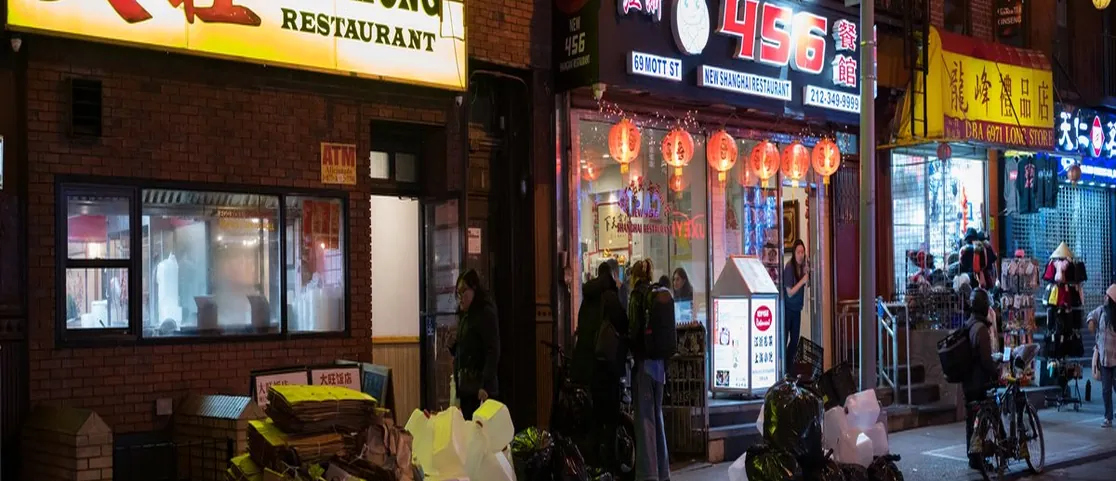
⚡ At a Glance Overview
Why We Chose This
Visitors treat Chinatown as a bargain hunt and a photo set, not a neighborhood where people lunch. This guide fixes hours, manners, one meal, and LES separation—without exoticizing copy or an unverified restaurant dump.
Editorial Notes & Caveats
Hours, cash policy, and menu items change—read the window sign and confirm at the counter before you order. This is not legal or immigration advice about the neighborhood. Do not photograph residents eating or working as content. Festival weekends and film crews can block sidewalks—follow posted detours.
You will probably walk through Manhattan’s Chinatown anyway—friends suggest dumplings, your hotel is downtown, the map makes it look compact. The useful question is not “what is the most authentic block?” but how to spend a few honest hours without treating residents as scenery, glueing the Lower East Side onto the same starving afternoon, or turning lunch into a camera performance.
Judgment first: choose a short Chinatown visit when you can name one meal format, a two-to-three-hour window, and an exit before foot traffic becomes the activity. Skip the neighborhood as a checklist of every famous counter on social media— that is how afternoons become extractive and expensive without feeling satisfying.
This article is manners, map logic, and stop time—not a ranked cheap-eats list. Verified under-$15 stops with hours live in the affordable Lower Manhattan eats guide when budget is the only problem.
Who a few honest hours fit
Fits visitors who will go regardless and want route clarity: which streets to use, how long to stay, what behavior to avoid. Fits downtown days when you already saw FiDi or the memorial plazas and want one food anchor before the subway home. Fits walkers who can eat at a counter and leave—not diners who need a three-hour banquet.
Fits poorly when you are already full from a Lower East Side loop—split the days. Fits poorly when you want nightlife and bar rows; evening Chinatown is a different noise and kitchen clock. Fits poorly when you need wide stroller paths without curb friction—sidewalks narrow on market weekends.
Behavior that keeps the visit respectful
Chinatown is a lived-in commercial neighborhood, not a theme street for your feed. Do not photograph strangers eating, working at counters, or waiting in line without permission. Do not block storefronts for posed shots while queues stall behind you.
Do not narrate the block as exotic background—skip mock-“authentic” adjectives and “hidden gem” language that treats residents as props. Order food you will eat; do not buy trays to film and discard. Tip and pay at the counter rules posted; do not treat small businesses as free samples.
If a shop posts no photos, respect it. If a line is mostly local lunch workers, keep your group compact and decide quickly at the register—hesitation holds up people on a 30-minute break.
Map logic: Mott, Pell, and Bayard without zigzags
A bounded loop often starts at Canal Street subway exits and walks north on Mott Street or east on Bayard and Pell—short blocks with food counters, produce displays, and hardware-store texture. You do not need every parallel street; pick one spine, walk it once, eat once, then exit toward Canal or the Bowery.
Chrystie and Eldridge edges blend into Lower East Side geography—name Delancey as a soft southern cap unless you are deliberately crossing into a different afternoon plan. Columbus Park and civic edges can work as a timed bench stop, not an unbounded hang.
The Lower East Side checklist-skipping guide owns Orchard and Essex loops east of the Bowery. Chinatown deserves its own calendar day with its own meal anchor—not a dessert stop after you already ate a full LES lunch.
Food: one anchor, not a scavenger hunt
Pick one format before you walk: steamed dumpling counter, roast meat rice plate, hand-pulled noodle bowl, or sit-down dim sum if you accept wait and shared tables. Weekend lines punish “let’s try everything”—choose the line you will stand in, read the menu board, order, eat, leave.
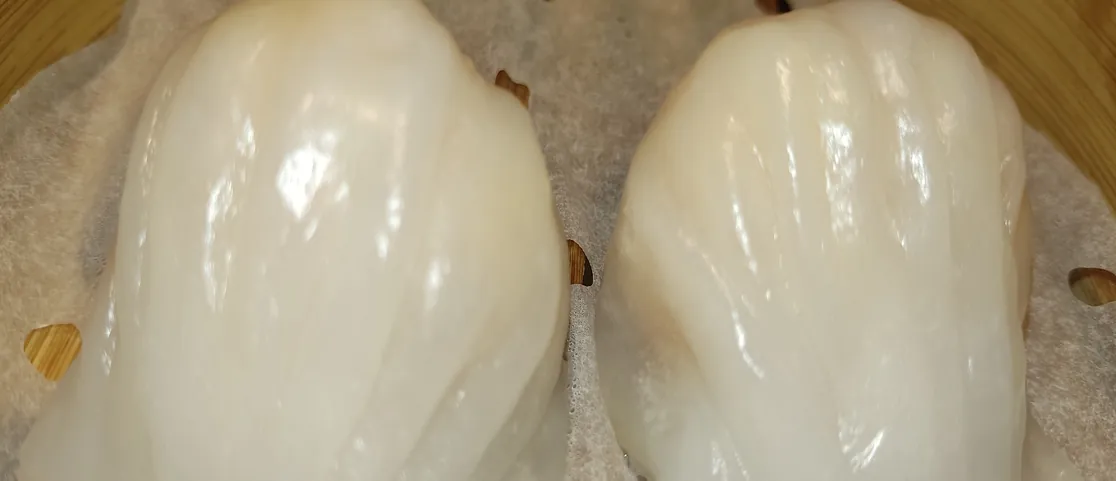
Counter dumplings suit short afternoons when you can see the line and the price before you commit. Roast pork and rice plates suit when you want a fast, filling tray without a long menu. Sit-down dim sum suits groups with time—not a tight harbor ferry afternoon.
Affordable eats in Lower Manhattan lists verified under-$15 counters with hours when price is the constraint. Use it for spreadsheet math; use this article for how long to stay, which streets to walk, and when to leave without treating the neighborhood as a bargain hunt.
When to pair with downtown—not with LES
Chinatown pairs naturally with a Lower Manhattan day when ferries and memorial plazas are done and you want one meal before the subway—not when you are still ticketed for a 3:00 PM harbor return. The Lower Manhattan one-day spine and neighborhood hub frame downtown geography; Chinatown is an honest add-on meal, not a second full neighborhood march.
Do not combine full dim sum, a Tenement Museum ticket, and a Chinatown crawl because the map looked dense. Name one downtown anchor day, one east-side day, one Chinatown afternoon across the trip.
Rain, heat, and indoor pivots
Summer heat on narrow sidewalks pushes you toward short loops and indoor counters with air conditioning—still keep the stop time. Steady rain makes street markets miserable; the rainy-day plan sequences indoor stops across Manhattan when weather owns the afternoon. Chinatown counters can still work in rain if the line is indoors—do not extend into a wet photo walk because the neon looks cinematic.
A few honest hours mini-plan
- Subway to Canal Street; pick one spine—Mott north or Bayard/Pell east.
- Read window signs for hours and cash policy before you queue.
- One meal anchor: counter dumplings, roast plate, or noodles—chosen upfront.
- Timed bench or park pause if needed—not an open-ended camp.
- Exit by your stop time toward Canal or Bowery subway—do not add LES.
Two to three hours is enough for most first visits. Four hours without a plan is how visitors become background in someone else’s lunch line.
When to leave—and when to skip entirely
Leave when you ate your anchor meal and walked your spine once— not when you have photographed every hanging duck and fruit display. Leave before you are hungry again and invent a second queue out of FOMO.
Skip a dedicated Chinatown afternoon when you already glued it onto an LES loop, when you only want the cheapest possible calories without regard to lines or manners, or when you are too tired for narrow sidewalks and register decisions.
Skip treating residents as content. Skip when your group cannot follow counter pace. The neighborhood will still be there on a future trip with a clearer meal choice and a shorter camera.
Suggested Route & Mini Plan
- Canal Street subway; walk Mott or Bayard/Pell once.
- Read hours and cash policy at the window before queuing.
- One meal anchor chosen upfront—counter or short sit-down.
- Bench pause with a timer if needed.
- Exit by stop time; LES is a different day.
Curated Alternatives
Affordable eats in Lower Manhattan
When under-$15 counters and verified hours are the only constraint, the affordable Lower Manhattan eats guide is the budget spreadsheet—not this manners-and-route afternoon.
Lower East Side checklist-skipping loop
Orchard and Essex tenement loops belong on a separate day east of the Bowery. Full dim sum plus a full LES walk in one hungry afternoon is a queue death-march.
Rainy-day indoor plan
Steady rain pushes you toward indoor sequencing across Manhattan—the rainy-day plan names shelters without treating Chinatown as a photo safari.
Frequently Asked Questions
How long should a first Chinatown visit take?
Usually two to three hours with one spine walk and one meal anchor. Four hours without a stop time often turns into queue stacking and street photography that blocks counters.
Can I combine Chinatown with the Lower East Side?
No for a full Lower East Side loop plus dim sum on the same hungry afternoon. Split days: LES east of the Bowery one afternoon, Chinatown another.
What manners matter most in Chinatown?
Do not photograph strangers eating or working without permission. Do not block lines for posed shots. Order food you will eat; follow posted payment and photo rules at each counter.
How is this different from the affordable eats guide?
Affordable Lower Manhattan eats when under-$15 verified counters are the only goal. This article when you need route, stop time, and behavior—not a ranked restaurant list.
When are lines shortest?
Weekday late morning to mid-afternoon often has shorter lines than weekend midday. Festival weekends add crowds and closures—check community notices before you plan.
Our recommendations are handpicked independently. No paid placement, no sponsored rankings. How we choose