
Neighborhood hub
The Lower East Side Without Treating It as a Checklist
The Lower East Side fits a downtown afternoon when you want east-side food corridors and tenement-scale streets—not when you need every heritage landmark, museum ticket, and bakery name on one hungry march. This hub helps you decide whether that grid belongs on your trip, then sends you to the walkable loop guide without turning the neighborhood into a scavenger hunt or a Chinatown combo day.
Reader question: Should I visit the Lower East Side without collecting every heritage landmark?
Who it fits
Walkers who like food-forward afternoons east of the Bowery; return visitors who already did the East Village and want a second downtown rhythm; solo diners comfortable at counters; curious first-timers who can name one meal anchor and a stop time before they queue.
Who should pick another area
Skip gluing Chinatown onto the same afternoon—the queues and manners differ, and full dim sum plus a full LES loop is a death-march. Skip when you want St. Mark’s retail energy west of the Bowery—the East Village afternoon is the match. Skip when nightlife is the goal; bar rows here are evening product, not this hub’s frame. Skip when FiDi harbor tickets already own your downtown day.
How much time is realistic
Plan three to four hours: subway to Delancey–Essex or Second Avenue stops, north on Essex or Orchard with one meal anchor, optional Tenement Museum only if you booked timed entry and cut the street loop, exit by late afternoon.
On the map, the Lower East Side sits east of the Bowery and north of Chinatown corridors—a grid of low-rise buildings, lunch counters, legacy shops, and tenement-scale blocks that read grittier and slower than St. Mark’s Place west of the Bowery. Visitors often compress “downtown east” into one checklist: museum, bakery, every plaque, then Chinatown dumplings because the map zoomed out.
That produces queue fatigue. The neighborhood’s better frame is one spine walk, one honest meal, permission to skip a landmark, and Chinatown on a different calendar day.
What the LES is good at
East-side lunch corridors without souvenir-shop strip energy. Orchard and Essex walking with short hops—not every parallel avenue because density looked tempting on Google Maps. Street texture that carries history without requiring a ticket every hour.
Food-forward afternoons: counter slices, rice plates, sit-down rooms, bakery stops—one anchor chosen before you queue, not a twenty-stop crawl copied from a listicle.
Checklist culture versus a walkable loop
Checklist blogs treat the Tenement Museum, every Jewish bakery name, and every historic facade as mandatory proof of visiting New York. The museum can be a strong interior decision when you book timed entry and shrink the street loop—but it is not a casual doorway between lunch lines.
- Skip the scavenger hunt: one spine, one meal, one stop time.
- Add Tenement Museum only with a booked slot and a shorter street walk.
- Do not glue Chinatown dim sum onto the same hungry afternoon.
- Do not extend into bar rows unless you switched to a nightlife guide.
The checklist-skipping neighborhood guide executes Essex–Orchard logic with Bowery boundaries and meal discipline—this hub decides whether that afternoon belongs on your trip.
East Village, Chinatown, and FiDi boundaries
West of the Bowery, the East Village first afternoon covers Tompkins Square and St. Mark’s energy—louder retail, younger street texture. Choose LES when you want less souvenir-strip noise and more east-side lunch blocks—or when you already walked the East Village and want a second downtown day.
If St. Mark’s, Tompkins Square, and a younger street-food afternoon are the real draw, switch to the East Village hub. Do not make a single afternoon perform both neighborhood jobs.
Chinatown south and east shares food geography but not this loop’s manners or stop time. Eldridge and Mott corridors deserve a bounded visit on their own—what to eat, what not to perform for a camera, when to leave—not tacked onto Orchard Street because you were already downtown.
If Mott/Pell, one Chinatown meal, and a shorter respectful visit are the real decision, switch to the Chinatown hub. Keep Chinatown on its own time box instead of gluing it onto a full LES loop.
Lower Manhattan’s downtown spine—harbor ferries, memorial plazas, bridge approaches—owns a different day. Add LES only when energy remains after FiDi, not as a mandatory east-side checkbox on the same ticketed morning.
Food: loop geography versus budget math
This hub compares neighborhoods and stop times. Affordable eats in Lower Manhattan compares under-$15 counters with verified hours across Chinatown and LES—use it when price is the constraint, not when you need a walkable loop with a Bowery exit.
Solo counter formats overlap with the eat-alone guide; late kitchens after 10:00 PM belong in the late-night food guide—afternoon loops should end before bar rows take over the same streets.
What to read next on WhyManhattan
Open the Lower East Side checklist-skipping guide for the executable loop—subway stop, spine, meal anchor, optional museum cut, late-afternoon exit. Pair with the East Village guide on separate days. Use affordable Lower Manhattan eats for value spreadsheets. Use Lower Manhattan one-day spine when ferries and memorial blocks own the calendar.
The decision in one line
Choose the Lower East Side when you want a checklist-free east-side afternoon with one meal chosen upfront—skip it when Chinatown belongs on the same hungry day, when the East Village already filled your downtown slot, or when heritage landmarks are the only reason you are east of Broadway.
What this hub will not do
This hub is not a ranked restaurant dump, a bar crawl, or “hidden authentic” clickbait. It does not treat residents as scenery. Chinatown is a separate afternoon with its own manners guide—not an automatic add-on. Affordable under-$15 counters live in a different guide when budget is the only constraint.
Practical caveats
Weekend Orchard and Essex sidewalks compress—set a stop time. Some legacy counters prefer cash; verify at the window. Do not photograph strangers eating as content. Tenement Museum tickets are timed—verify on the official site before you walk there. Rain and summer heat push you indoors; pick the meal anchor before weather chooses for you.
The Lower East Side If You Skip the Checklist
Walk the Lower East Side with one meal anchor and a stop time—not a heritage scavenger hunt, Chinatown combo march, or bar crawl.

The East Village for a First Afternoon
Use the East Village for a first afternoon of walkable food and street life—one spine, one meal anchor, Tompkins as a timed pause—not a scavenger hunt or nightlife crawl.
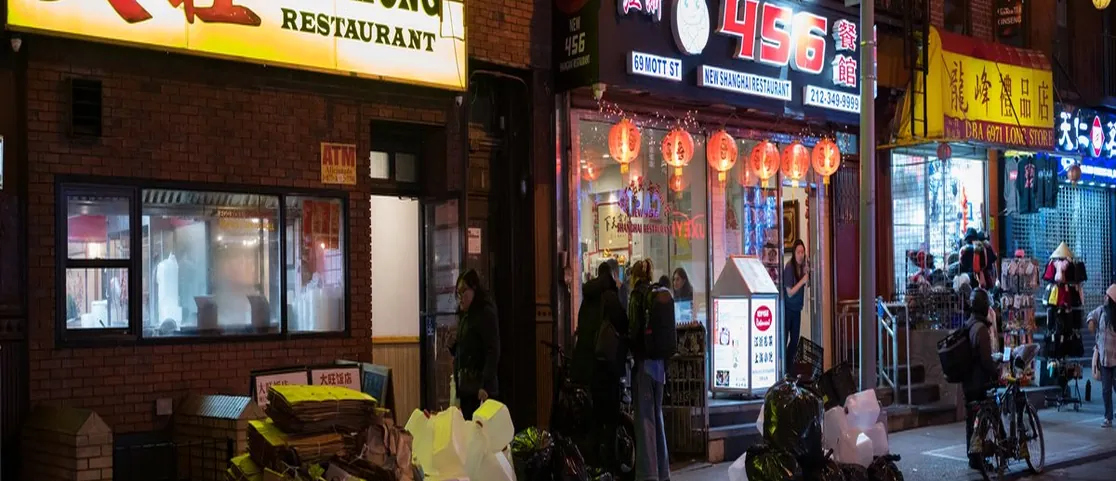
Affordable Eats in Lower Manhattan: Good Value Without a Tourist Trap
A practical local guide to finding authentic, filling meals under $15 in Lower Manhattan. Discover hand-pulled noodles, pork dumplings, roast meat rice, and heritage pizza.
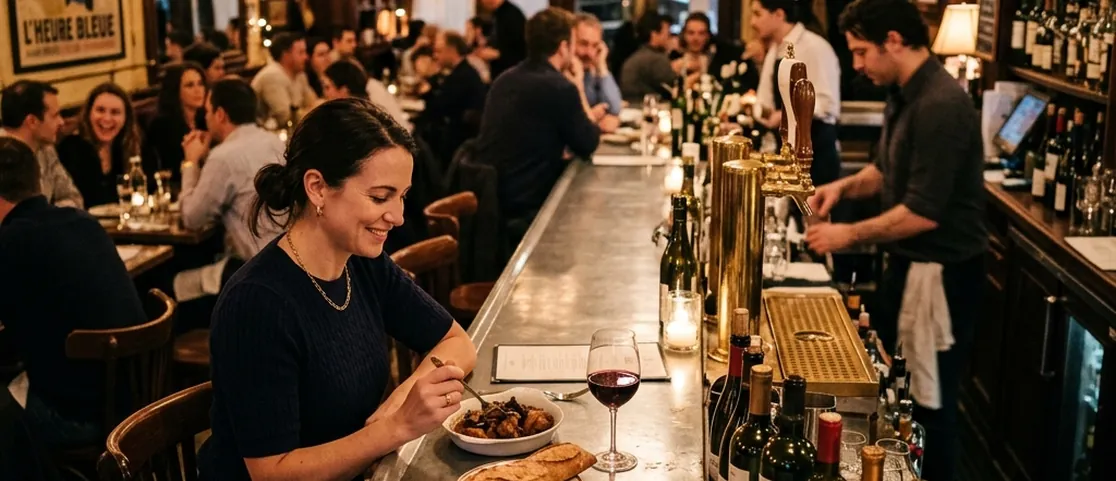
Where to Eat Alone in Manhattan—and Feel Comfortable
A practical local guide to solo dining in Manhattan. Discover full-menu bistro bars, Japanese ramen counters, and historic lunch counters where eating alone feels natural.
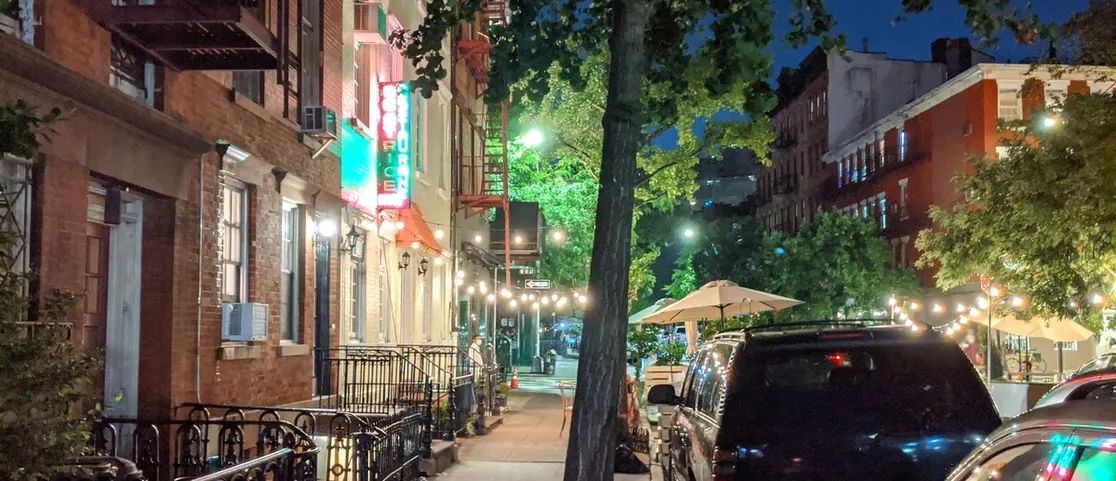
Late-Night Food in Manhattan: Reliable Options by Area
A practical local guide to late-night dining in Manhattan. Discover verified post-11 PM food options across Koreatown, Chinatown, Hell’s Kitchen, and the Lower East Side.
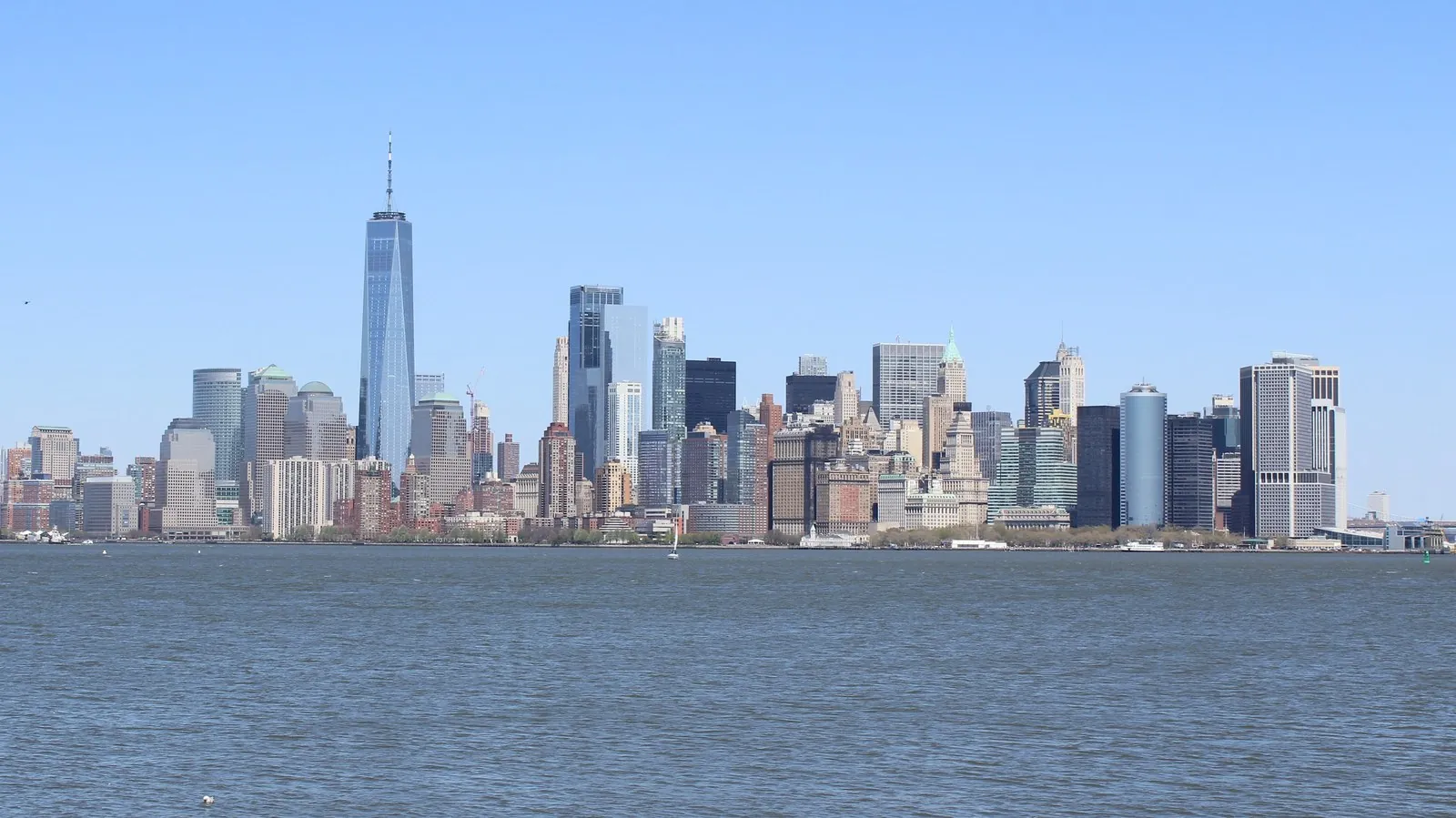
Lower Manhattan in One Day: A Practical Downtown Itinerary
A practical one-day Lower Manhattan itinerary: Battery Park, Wall Street, 9/11 Memorial, Brooklyn Bridge, and Chinatown with realistic timing and route advice.
Our recommendations are handpicked independently. No paid placement, no sponsored rankings. How we choose