
Driving into Manhattan after Congestion Pricing
Decide whether to bring a car into Manhattan’s congestion zone, what the toll logic means for a visitor, and when a train or bus is the cheaper stress.

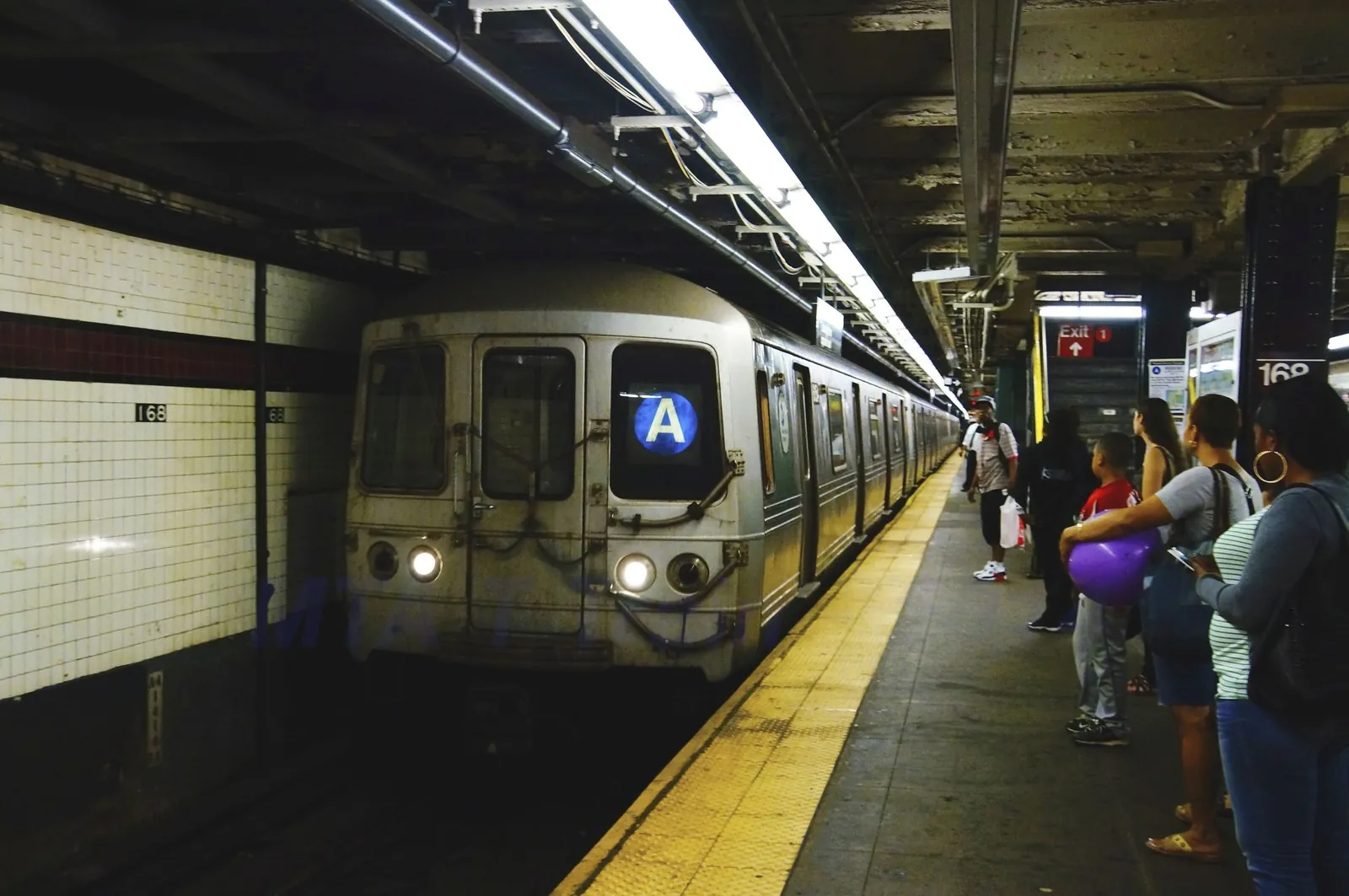
⚡ At a Glance Overview
Verified facts that can change
Congestion pricing is a rule-and-rate problem, not a political shortcut. Use the MTA’s current toll table and zone map for the trip you are actually making.
For most passenger vehicles with valid E-ZPass, the current Congestion Relief Zone toll is $9 during peak periods and $2.25 overnight, charged at most once per day.
May change: Rates depend on vehicle class, time, payment method, crossings and exemptions. The MTA is phasing the schedule upward in later years, so recheck before every future trip.
Backup: If the total toll + crossing + parking math is poor, leave the car outside the zone or skip the rental and use rail/subway.
Why We Chose This
Visitors still rent cars at airports and are surprised by the daily CBD charge plus garage fees. This guide fixes dated toll logic, car-versus-train math, and park-and-ride timing from official MTA sources—without exemption guesses or political framing.
Editorial Notes & Caveats
Congestion Relief Zone boundaries, toll rates, peak hours, crossing credits, and exemption rules are set by the MTA and TBTA and can change—verify every figure on congestionreliefzone.mta.info and MTA.info before you drive, not from this article or a map screenshot. We do not list exemptions we cannot confirm on official pages; if you believe you qualify for a credit or discount, check MTA eligibility rules directly. Bridge and tunnel tolls, parking rates, and rideshare surcharges are separate products with their own posted schedules. This is not legal or tax advice about commuter benefits or employer reimbursement.
Since January 5, 2025, most cars entering Manhattan’s Congestion Relief Zone pay a daily toll on top of bridge and tunnel fees you may already owe. For visitors, the practical question is not whether the policy is fair—it is whether driving into the central business district still beats arriving by train and riding the subway once you add tolls, parking, and traffic.
Judgment first: skip the rental unless you have a specific reason—a child seat you cannot source locally, a multi-borough family visit that rail cannot serve, or gear that will not fit in a taxi trunk. Everyone else should default to the airport rail options in the getting from JFK airport guide, then learn direction and express logic in the Manhattan subway for first-time visitors guide before debating a car.
This article covers CBD toll logic for visitors, car-versus-train math, and when to park outside the zone and ride in. Hotel geography belongs in how to choose where to stay in Manhattan; luggage before a driving day belongs in the luggage storage guide.
Who driving into the zone fits
Fits suburban hosts picking up relatives at a New Jersey or Westchester home and dropping them at a Midtown hotel once—if they already own E-ZPass and know garage entrances. Fits visitors with medical equipment or mobility needs that make subway stairs impossible and who have verified accessible taxi or paratransit options—not guessed them from a blog.
Fits poorly when you are a first-time visitor staying three to five nights in Midtown or downtown—a hotel garage plus daily $9 peak toll (2025–2027 phase-one rate, E-ZPass, verify on MTA) destroys the savings you imagined by renting at the airport. Fits poorly when your plan is museums, Broadway, and walking neighborhoods—those days do not need a car sitting in a $70 garage. Fits poorly when you are flying in and out of JFK or Newark during rush hour; the getting from JFK airport guide’s rail options bypass the Van Wyck and tunnel queues that make driving feel fast on a map and slow in reality.
What the Congestion Relief Zone is
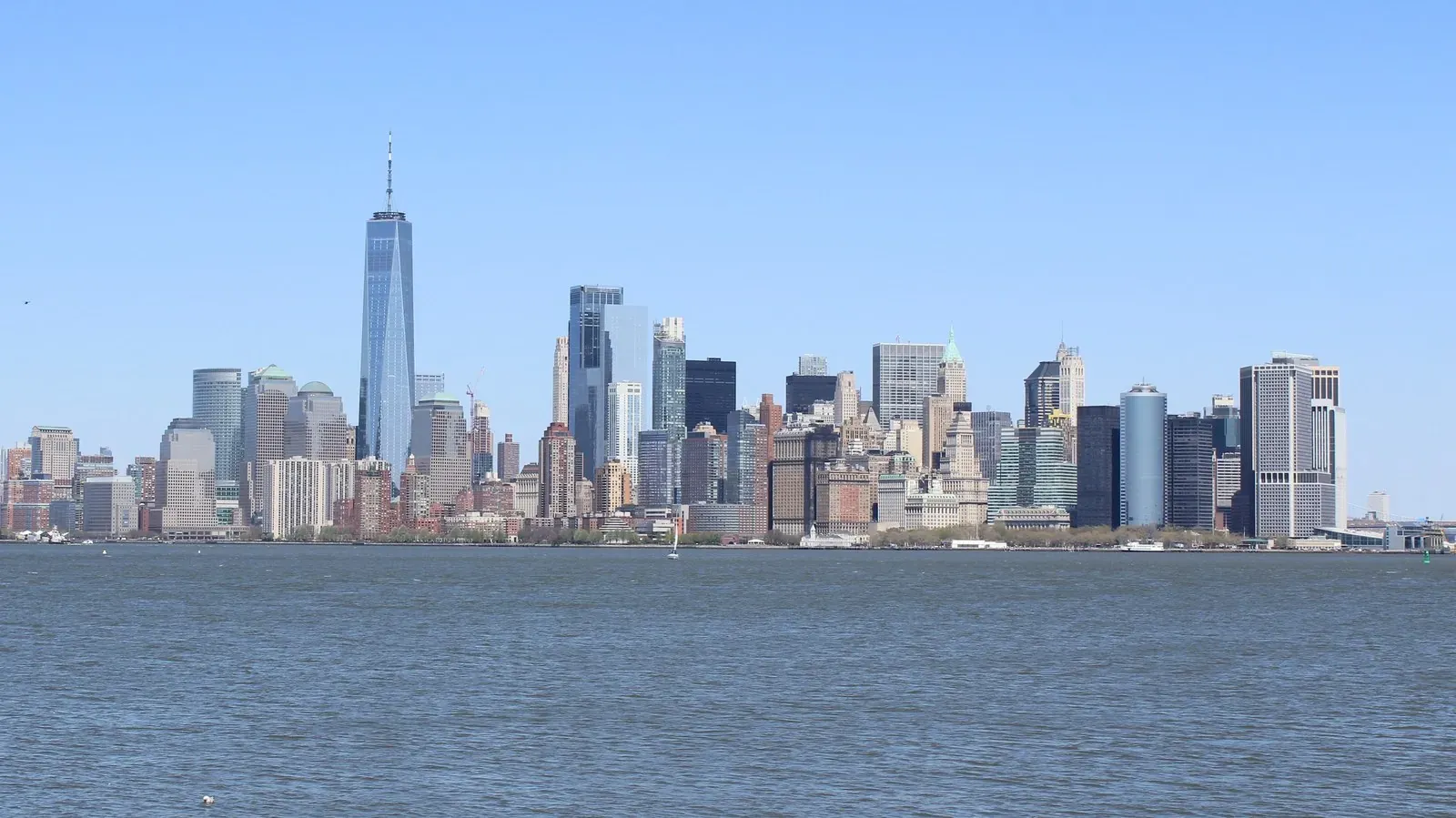
The MTA defines the Congestion Relief Zone as Manhattan south of and including 60th Street, excluding the FDR Drive, the West Side Highway and Route 9A, and the Hugh L. Carey Tunnel connections to West Street. You are not tolled for driving the highway edges around the island’s waist—you are tolled when your vehicle enters the charged street grid inside that boundary.
Do not redraw the map from memory. Open the official zone map on congestionreliefzone.mta.info the week you travel; street closures and construction can change which approach feels “inside” even when the policy boundary has not moved.
How CBD tolling works for passenger cars
Tolling runs 24 hours a day, seven days a week. Rates depend on vehicle class, time of day, and whether you pay with E-ZPass linked to your license plate or via Tolls by Mail (which costs more—up to roughly 50% above E-ZPass rates on the MTA’s published tables as of 2025).
For most passenger vehicles—sedans, SUVs, pickup trucks, and small vans—the phase-one schedule in effect for 2025, 2026, and 2027 charges $9.00 during peak periods and $2.25 overnight with E-ZPass, according to MTA board materials adopted November 2024 and still posted on MTA congestion pages as of August 2026. Peak periods are 5:00 AM to 9:00 PM Monday through Friday and 9:00 AM to 9:00 PM Saturday and Sunday. All other hours use the overnight rate, which the MTA describes as 75% below peak.
Passenger vehicles are charged at most once per calendar day for entering the zone, no matter how many times you cross the boundary after the first charge that day. Trucks and buses follow different per-entry rules—this guide focuses on visitor cars, not commercial fleets.
Without E-ZPass, Tolls by Mail rates for the same phase-one window were $13.50 peak and $3.30 overnight for passenger vehicles on MTA’s published table as of January 2025. If you rent a car, confirm whether the rental agency’s plate is enrolled in E-ZPass or whether you must register the plate yourself before you cross into Manhattan.
Tunnel crossing credits—not a free pass
If you enter the zone during peak hours through one of the four tolled crossings—Lincoln Tunnel, Holland Tunnel, Hugh L. Carey Tunnel, or Queens Midtown Tunnel—and pay that crossing toll with a valid E-ZPass, the MTA applies a credit toward the Congestion Relief Zone charge. For passenger vehicles, the published phase-one credit is up to $3.00 during peak; motorcycles qualify for up to $1.50. Overnight entries do not receive crossing credits on the MTA schedule reviewed August 2026.
A credit reduces the CBD charge; it does not eliminate bridge and tunnel tolls themselves. You still pay the Port Authority or MTA crossing fare, then the zone toll minus the credit if you qualify. Do not assume every tunnel trip zeroes out the congestion fee—run the math on the official toll calculator linked from congestionreliefzone.mta.info.
Taxis, black cars, and app rides
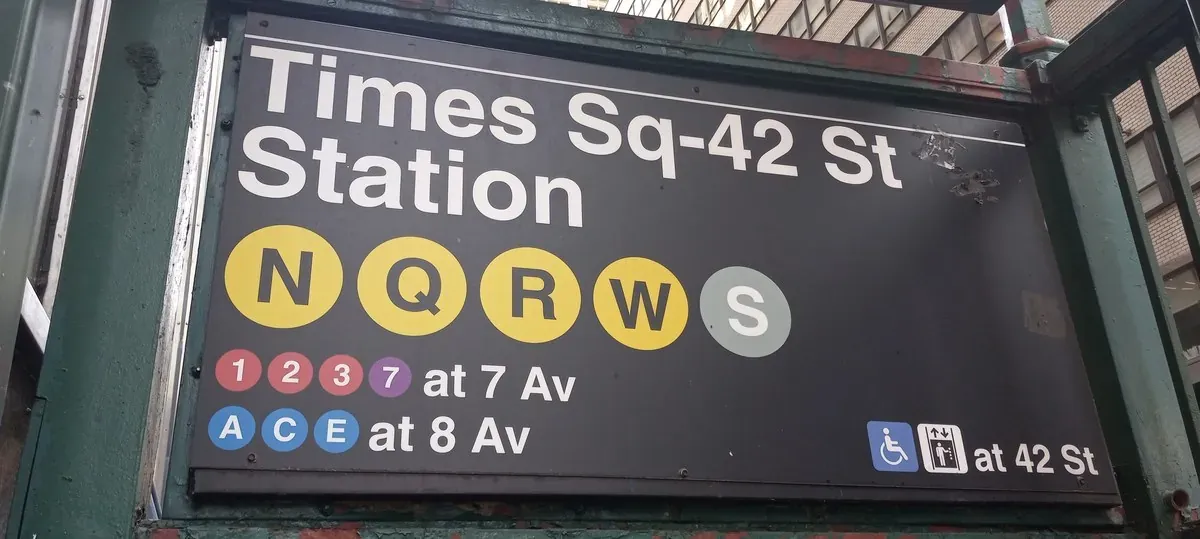
Yellow taxis, green boro taxis, and black cars licensed by the NYC Taxi and Limousine Commission do not pay the daily automobile toll. Passengers pay a per-trip Congestion Relief Zone charge instead: $0.75 per trip to, from, within, or through the zone on the MTA schedule in effect January 2025. App-based for-hire vehicles (Uber, Lyft, and similar) carry a $1.50 per-trip zone charge paid by the customer under the same program rules.
Those per-trip fees are separate from the state congestion surcharge that already applies to some taxi and for-hire trips touching Manhattan south of 96th Street. Rideshare quotes at rush hour can still exceed rail plus subway even with the smaller zone fee—compare total door-to-door price, not just the congestion line item.
Car versus train for visitors
Start with arrival mode. Checked September 9, 2026, JFK AirTrain is $8.75 and eligible CityTicket LIRR is $5.25 off-peak or $7.25 peak, for $14.00–$16.00 to a Midtown rail terminal. NJ Transit lists EWR to New York Penn at $17.25 including AirTrain access. LaGuardia has no direct rail link; the fare-free Q70 plus the current $3.00 subway fare is the low-cost public-transit default when luggage and mobility allow.
Once you are in Manhattan, most visitor days need only subway and walking. At the current $3.00 base fare, two people taking four subway rides each would pay $24 before any OMNY fare-cap effect—still far below the combined cost of a car once parking and other driving charges enter the picture. The Manhattan subway for first-time visitors guide explains uptown versus downtown direction so you do not waste time on wrong-platform mistakes.
Driving wins only in narrow cases: a late-night arrival when rail service is less convenient and a licensed taxi from the official stand beats a tired family on stairs, or a day trip to a suburb that rail does not serve on your schedule. It loses for the classic long weekend of museums, Times Square, and West Village dinners—parking plus driving charges can exceed many days of subway use. OMNY fare caps are rider-specific, so compare current MTA rules rather than an old unlimited-pass shortcut.
When to park outside the zone and take the subway
Park-and-ride makes sense when your hotel is in New Jersey, Long Island City, or Brooklyn and you are willing to trade a 20–40 minute subway ride for avoiding a downtown garage. Journal Square or Hoboken PATH stations, Long Island City’s 7 train, and Atlantic Avenue–Barclays Center hubs are common visitor patterns—verify parking lot rates and overnight rules on the lot operator’s site, not a decade-old forum post.
Park outside when your Manhattan hotel offers no reasonable garage rate and you already have business in the outer borough or New Jersey the same day—drive to the outer stop, stash the car, OMNY into the zone once. Park outside when you are visiting for a single dinner and refuse to pay $50 for three hours in a FiDi garage; take PATH or the 7 from Queens instead.
Do not park outside when the “savings” ignore the second car move at midnight or the lot’s closing time. Do not park on random residential streets in Queens hoping for free overnight space—street-sweeping tickets and tow zones cost more than a garage. If you are checking out of a hotel and touring before a flight, store bags through the luggage storage guide near Penn Station or Grand Central before you park-and-ride; hauling suitcases on the 7 train at rush hour is how vacations end in regret.
Hotel location still matters
Staying in Midtown West near Penn Station or downtown near Fulton Street reduces cross-island taxi needs once you are rail-connected. Staying in the Upper East Side or Upper West Side without subway nearby tempts visitors into rideshares for every meal. The how to choose where to stay in Manhattan guide maps neighborhood tradeoffs—use it before you book a garage package that sounds convenient but sits inside the tolled grid for every errand.
What this is not
Not a political argument for or against congestion pricing. Not a list of exemption categories we cannot verify on MTA.gov—low-income discounts, disability plates, and government fleet rules change on official schedules; check TBTA eligibility pages instead of trusting third-party summaries.
Not a replacement for the airport transfer guide’s terminal-by-terminal directions. Not a parking garage directory—garage rates and height limits change weekly. Not a promise that traffic will be tolerable because you paid the toll; the program funds transit improvements over time, not empty avenues on your first visit.
Phase-in reminder
The MTA phased in congestion pricing starting January 5, 2025. Phase-one rates (60% of the originally adopted schedule) apply through 2027: $9 peak and $2.25 overnight for most passenger vehicles with E-ZPass, per MTA board action in November 2024. Phase-two years 2028–2030 raise automobile peak tolls toward $12 and overnight toward $3 on the same published roadmap unless the board amends the schedule. Re-read official pages before any future trip; update this URL when figures change rather than hunting for a new article.
A visitor driving decision mini-plan
- Default to rail from the airport unless party size, luggage, or mobility needs clearly favor a licensed taxi—see the getting from JFK airport guide.
- If you already have a car, check congestionreliefzone.mta.info for zone map, peak hours, and E-ZPass versus Tolls by Mail rates on your travel dates.
- Add bridge or tunnel tolls, then garage quotes for your hotel neighborhood—if the sum exceeds two days of subway fares for your group, drop the car.
- Consider park-and-ride outside the zone only when the lot is licensed, overnight-safe, and on a direct subway line to your plans.
- Inside Manhattan, use OMNY on subway and bus; keep rideshares for late-night or accessibility gaps, not routine hops.
Most visitors should never enter the Congestion Relief Zone in a private car. The ones who must should know the dated toll table, pay once per day at most, and park with eyes open about garage math—not discover a $9 peak charge and a $75 overnight garage fee on the same hotel bill.
Suggested Route & Mini Plan
- Default to airport rail unless luggage or mobility clearly requires a car.
- Verify zone map, peak hours, and toll rates on MTA congestion pages.
- Add bridge tolls and garage quotes before you commit to driving.
- Park outside the zone only on a direct subway line with a safe overnight lot.
- Ride subway or bus inside Manhattan; save taxis for late-night gaps.
Curated Alternatives
Airport-to-Manhattan transport only
When you are flying into JFK, LaGuardia, or Newark and the only question is rail versus taxi from the terminal, the getting from JFK airport guide owns that decision—not CBD toll math after you are already in the city.
Day-trip rental outside the zone
When you need a car for day trips outside the five boroughs—Hudson Valley wineries, Philadelphia, the Jersey Shore—a rental kept in New Jersey or Long Island with rail into Manhattan can beat daily garage fees downtown.
Mobility-first routing
When stairs, elevators, and platform gaps are the real constraint, accessibility routing and bus pivots come before whether a car would be cheaper on paper.
Frequently Asked Questions
Should I rent a car for a Manhattan vacation after congestion pricing?
For most visitors, no. Rail from the airport plus subway or bus inside Manhattan usually costs less and avoids garage fees. Driving fits narrow cases—suburban pickups, verified accessibility needs, or day trips rail cannot serve—not a standard museum-and-Broadway weekend.
How much is the Congestion Relief Zone toll for a regular car?
As of the phase-one schedule in effect 2025–2027 (verify on MTA congestion pages), most passenger vehicles pay $9.00 peak and $2.25 overnight with E-ZPass, charged at most once per calendar day on entry. Peak hours are 5:00 AM–9:00 PM weekdays and 9:00 AM–9:00 PM weekends. Tolls by Mail rates are higher.
Where does the Congestion Relief Zone start?
Manhattan south of and including 60th Street, excluding the FDR Drive, West Side Highway/Route 9A, and Hugh L. Carey Tunnel connections to West Street. Confirm the boundary on the official MTA zone map before you drive.
Do Uber and yellow cabs pay the same congestion fee as private cars?
Licensed taxis and green cabs pay a $0.75 per-trip zone charge; app-based for-hire vehicles pay $1.50 per trip to, from, within, or through the zone under MTA rules posted January 2025. That is separate from the daily automobile toll and from other state surcharges.
When does parking outside Manhattan and taking the subway make sense?
When your hotel is outside the zone and a licensed lot sits on a direct subway line—common patterns include PATH from New Jersey and the 7 train from Long Island City. Verify lot overnight rules and fares. Store luggage near transit hubs first if you are touring between checkout and a flight.
Our recommendations are handpicked independently. No paid placement, no sponsored rankings. How we choose