
Topic hub
Getting Around Manhattan Without Losing Half the Day
Manhattan movement fails when every hour becomes a logistics surprise—wrong subway platform, bags at a turnstile, a dead phone, no restroom backup. This hub routes you to the practical guides that prevent transit from eating your itinerary.
Reader question: How do I move through Manhattan without wasting time on logistics?
Who it fits
Visitors and new residents who know where they want to go but need transit literacy and infrastructure backups. You will ride the subway, arrive from an airport, carry luggage between hotel and flight, and need restrooms and phone power without derailing the day.
Who should pick another plan
Skip this hub if you only need one narrow answer—a single airport route or one restroom near Bryant Park—and already know which guide to open. If your question is where to eat or which neighborhood fits your trip, use the food or first-visit hubs instead.
How much time is realistic
Read the subway and airport guides before you land—thirty to forty-five minutes total. Keep restroom, luggage, and charging guides bookmarked for the moments they solve: checkout day, a long museum block, or a phone below ten percent.
Manhattan rewards walkers, but walking is not the whole story. The borough’s real time sink is unplanned logistics: standing on the wrong subway platform, hauling a suitcase through a station without elevators, hunting a restroom after a museum, or realizing OMNY will not load because your phone died.
WhyManhattan’s getting-around frame treats movement as a stack of decisions—enter the city, ride the subway, manage bags, keep infrastructure backups ready—not as a single “download Citymapper and go” answer. Each layer has its own guide because the failure modes differ.
Enter the city with a route choice, not a default
Airport transfer is the first mobility decision. JFK, LaGuardia, and Newark each offer different tradeoffs: train-heavy routes that save money but cost stairs; taxi or rideshare that saves energy at surge prices; and timing that must match your hotel geography. Choosing at the curb is how visitors lose an hour before Manhattan even starts.
Read the airport guide before you land. Match your party size, luggage, accessibility needs, and arrival time to a door that makes sense for where you are sleeping—not where a blog ranked “best transport.”
Subway literacy beats app hopping
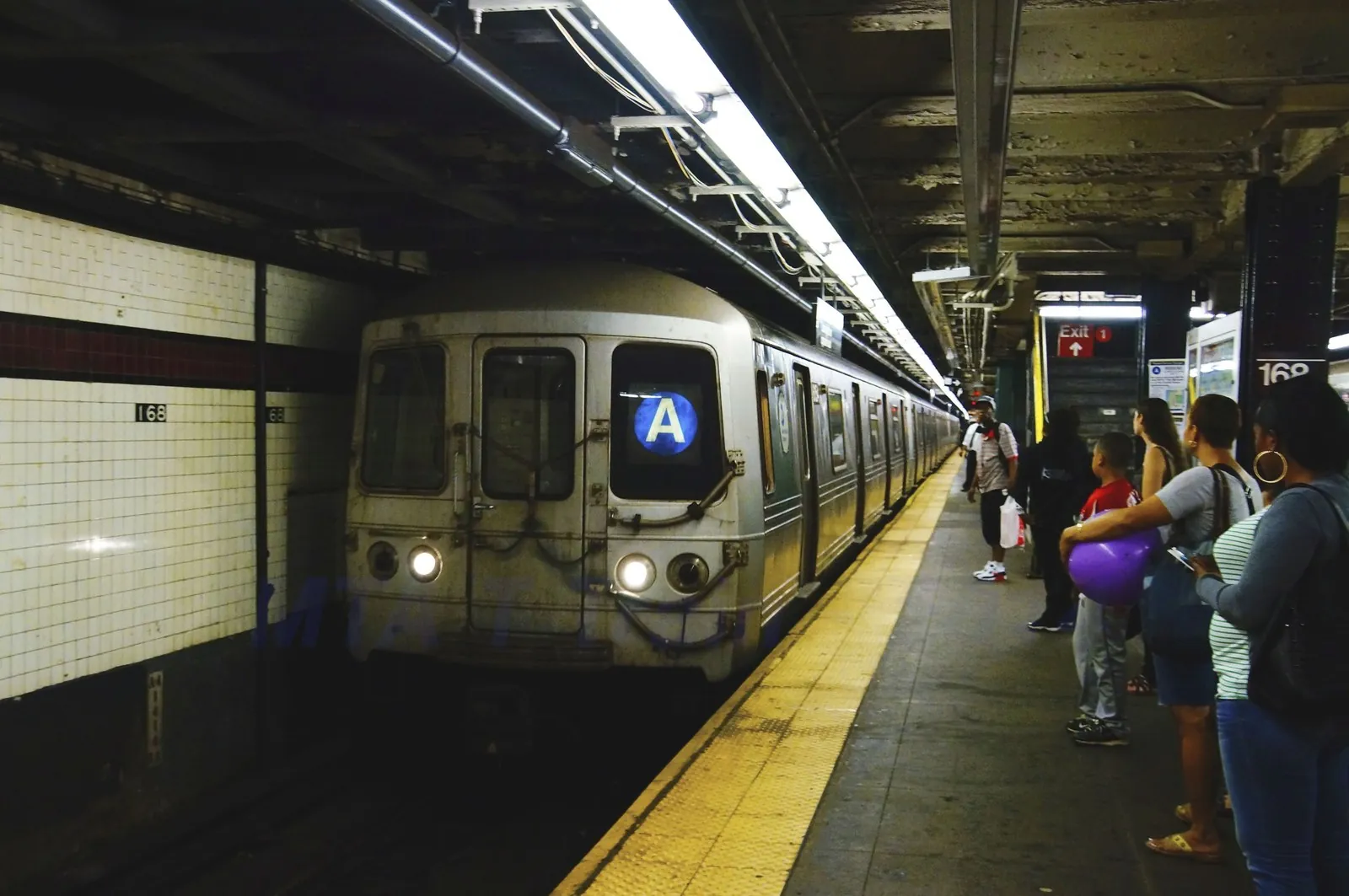
The subway is Manhattan’s backbone, but first rides confuse because express vs local, uptown vs downtown, and weekend service changes are invisible on a pretty map. Our first-time subway guide covers tap payment, platform mistakes, and the lines worth learning on Day One—usually the corridor that serves your hotel, not every color on the map.
Do not optimize every ride before you understand one corridor. Pick the line that connects your hotel to your first anchor and ignore the rest until tomorrow. Transfer math only works when you are not also carrying luggage or racing a curtain time.
Luggage is a transit problem, not a hotel problem
Bags change every movement decision. A hard-shell suitcase through a turnstile, a checkout-to-evening-flight gap, or an early arrival before check-in each needs a storage plan tied to a transit hub—not a random shop near Times Square.
The luggage guide maps safer choices by hub: where to store, what size fits, and how storage pairs with your airport arrival and last-day loop. Treat bags as fixed until you have a locker or hotel room—not as something you drag through a gallery afternoon.
- Airport: choose door before landing—train, taxi, or rideshare by party and bags.
- Subway: learn one corridor first; verify weekend service before timed plans.
- Luggage: storage before turnstiles and museum blocks.
- Restrooms: know two backups before a long walk or museum.
- Phone: charging options before OMNY and maps fail.
Infrastructure backups save afternoons
Public restrooms in Manhattan are uneven. Bryant Park, libraries, and transit halls each have rules and hours. The restroom guide is not glamorous—it is the difference between cutting a walk short and finishing your route.
Phone charging is the same category. OMNY, maps, and reservation apps assume a working battery. Libraries, major transit halls, and a few reliable public spaces solve the problem better than hoping a café will have an open outlet. Know two options near your day’s geography before you hit ten percent.
What is coming to this hub
Three practical guides will extend this hub when they publish: Citi Bike when pedal-assist fits your route (WM-073), driving and congestion pricing when a car is unavoidable (WM-074), and stairs-and-crowds accessibility when elevators and platform gaps are the real obstacle (WM-072). Until then, the five guides below cover the decisions most visitors hit first.
How this hub differs from first visit
The first-visit hub decides hotel geography, day shape, and landmark pacing. This hub is the movement layer underneath—how you actually cross the grid once those choices are made. Open first visit for trip framing; open getting around when the question is subway, airport, bags, restrooms, or power.
What to read next on WhyManhattan
Start with subway and airport guides before travel. Bookmark luggage storage for arrival and checkout days. Keep restroom and phone-charging pieces ready for long walking blocks—not as replacements for planning, but as backups that prevent half a day from disappearing.
The decision in one line
Stack your movement decisions—airport door, one subway corridor, luggage plan, restroom and phone backups—before you treat Manhattan like one walkable neighborhood. Logistics handled early is time returned on the sidewalk.


What this hub will not do
This hub is not a live transit map, a rideshare price tracker, or a directory of every station elevator. Citi Bike, congestion pricing, and accessibility-by-stairs guides (WM-073, WM-074, WM-072) will extend this hub when they publish.
Practical caveats
Weekend and overnight subway service differs from weekday maps—check MTA before you promise timed tickets. Luggage and turnstiles do not mix; plan storage before you ride. Public restrooms are sparse; treat the restroom guide as a backup plan, not an afterthought. Phone charging depends on a working device—know library and transit-hall options before you need them.
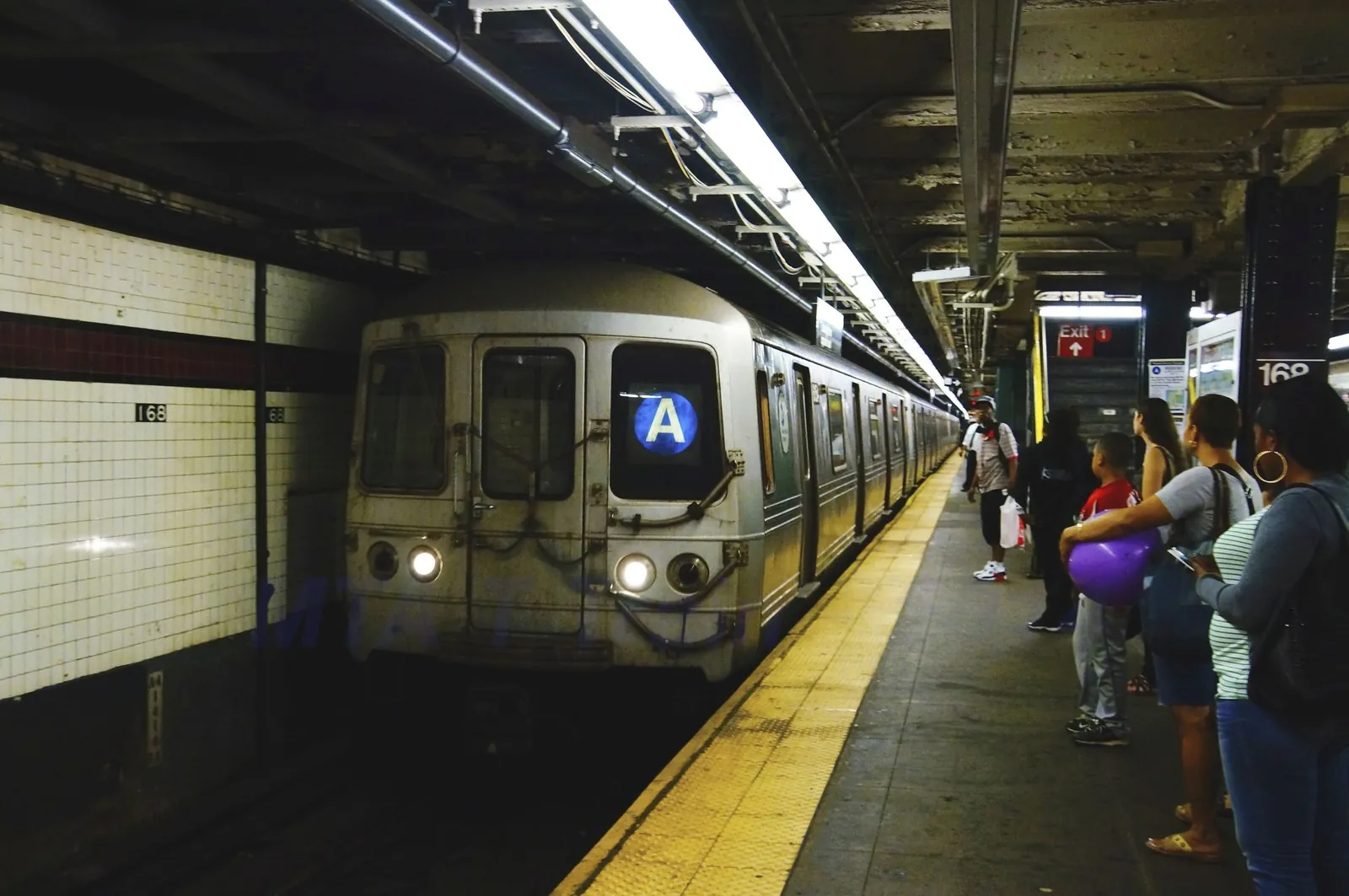
The Manhattan Subway for First-Time Visitors: A Practical Guide
A practical, first-time visitor guide to riding the New York City subway: how OMNY tap-to-pay works, avoiding local vs. express mistakes, reading signs, and riding safely.
Getting from JFK, LaGuardia, or Newark to Manhattan: A Decision Guide
A practical decision guide comparing transit options from JFK, LaGuardia, and Newark to Manhattan based on party size, luggage, arrival time, and total cost.
Luggage Storage in Manhattan: Safer Choices by Transit Hub
Grand Central has no luggage storage, while Amtrak lists temporary bag storage at Penn/Moynihan. Use this hub-by-hub guide to choose the least risky pickup plan.

Public Restrooms in Manhattan: Reliable Options and Backup Plans
A practical guide to public restrooms in Manhattan: major transit hubs, department stores, luxury park facilities like Bryant Park, and emergency backup options.

Where to Charge Your Phone in Manhattan: Reliable Options and Backup Plans
A practical hierarchy for charging your phone in Manhattan when navigation, OMNY, and tickets all live on one battery.
Our recommendations are handpicked independently. No paid placement, no sponsored rankings. How we choose