
SoHo for First-Time Visitors: What to Do, Skip, and Plan
A practical first-visit plan for SoHo: when to arrive, which streets reveal the cast-iron district, what deserves time, what to skip, and how to build a realistic half-day.

⚡ At a Glance Overview
Why We Chose This
The guide prioritizes SoHo’s durable editorial value—cast-iron architecture, a compact walking pattern, and selected art or book stops—over a volatile store-by-store directory. The route uses official landmark and venue information, minimizes backtracking, separates flexible and reservation-dependent choices, and explains when Nolita, Tribeca, or Chelsea is the better decision.
Editorial Notes & Caveats
SoHo can be crowded, noisy, and slow to cross on weekend afternoons. Cobblestones, uneven paving, construction, and store queues can make a short route feel longer. Store hours and tenants change frequently. Ticketed visits to 101 Spring Street require advance planning. Verify current venue hours, access information, and subway service before leaving.
SoHo works best as a focused half-day, not a race through every store. Give the neighborhood three or four hours: walk the cast-iron streets while they are still relatively calm, choose one cultural stop, and leave room for a meal or a detour into Nolita. The main tradeoff is simple—SoHo is visually distinctive and easy to combine with downtown plans, but its busiest blocks can feel more like an outdoor mall than a neighborhood.
The quick decision
Go to SoHo on a first Manhattan trip if you care about architecture, street photography, design, fashion, or a walk that can change direction without ruining the day. Skip it, or keep the visit brief, if your priority is a major museum, a quiet residential atmosphere, a low-cost shopping day, or an itinerary built around children who need open space.
The strongest first-visit plan is not “walk down Broadway and shop.” Broadway is useful for orientation, but the neighborhood becomes more interesting one or two blocks west, where Greene, Mercer, Wooster, and West Broadway make the cast-iron district legible. Use the larger avenue as a reference point, then spend most of the walk on the side streets.
What makes SoHo worth a first visit
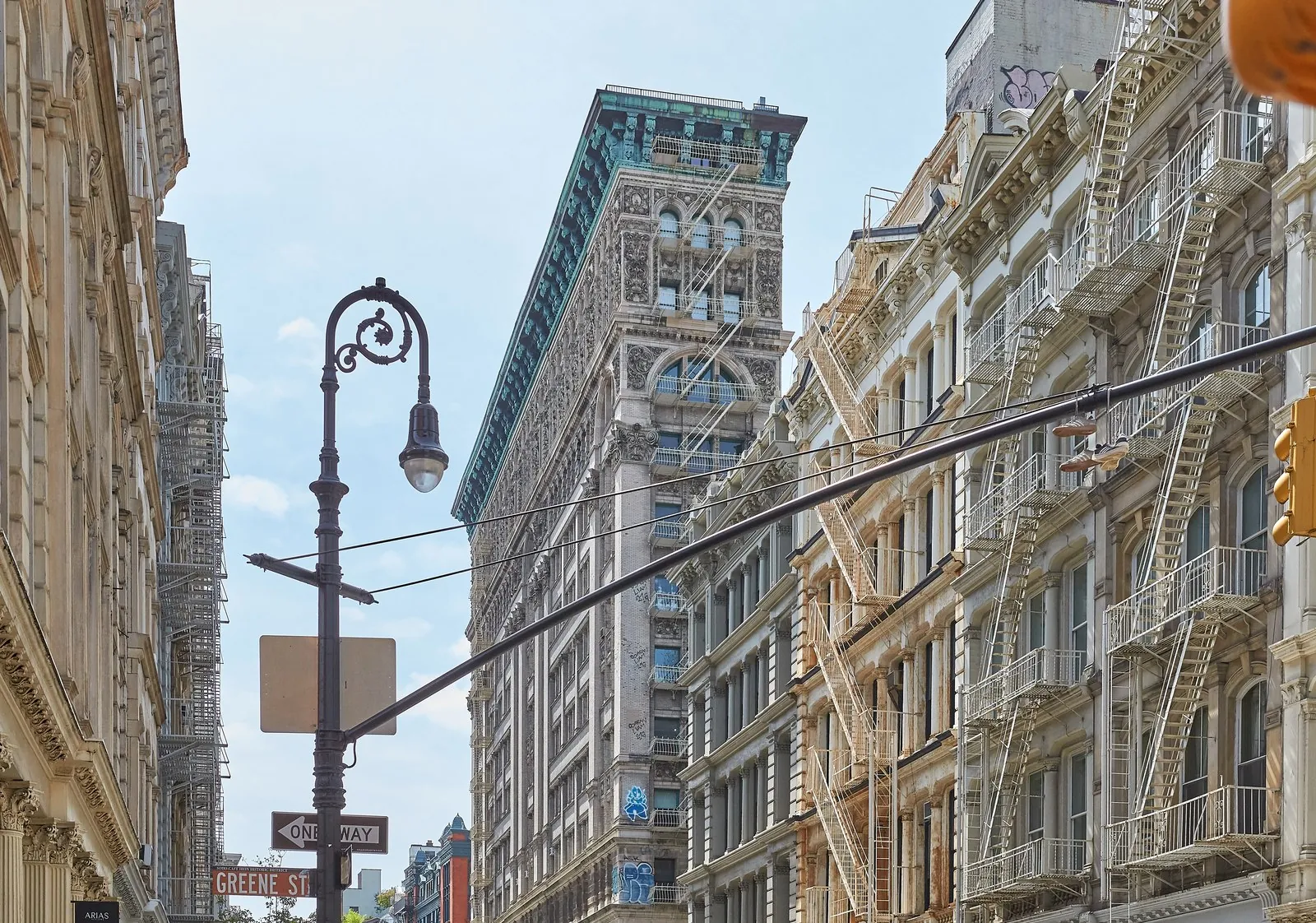
SoHo’s real advantage is concentration. Within a compact area, you can read the neighborhood’s industrial past in the façades, compare broad retail corridors with quieter cobblestoned blocks, and add a contemporary art or design stop without crossing Manhattan. The New York City Landmarks Preservation Commission protects the SoHo-Cast Iron Historic District, which is why the repeating columns, large windows, exterior fire escapes, and closely spaced historic façades still shape the walk.
That architectural coherence matters more than any single storefront. Retail tenants change; the street wall is the durable reason to visit. Look up instead of moving from window display to window display. The upper floors show how prefabricated cast-iron parts allowed builders to repeat decorative elements across relatively narrow lots while creating unusually large window openings for the period.
This is also why a rushed visit disappoints. If you arrive at peak shopping time, stay on Broadway, and judge SoHo only by queues and chain stores, you miss the part of the neighborhood that cannot be reproduced in another city.
A first-visit route that avoids unnecessary backtracking
1. Begin near Houston Street and get off Broadway
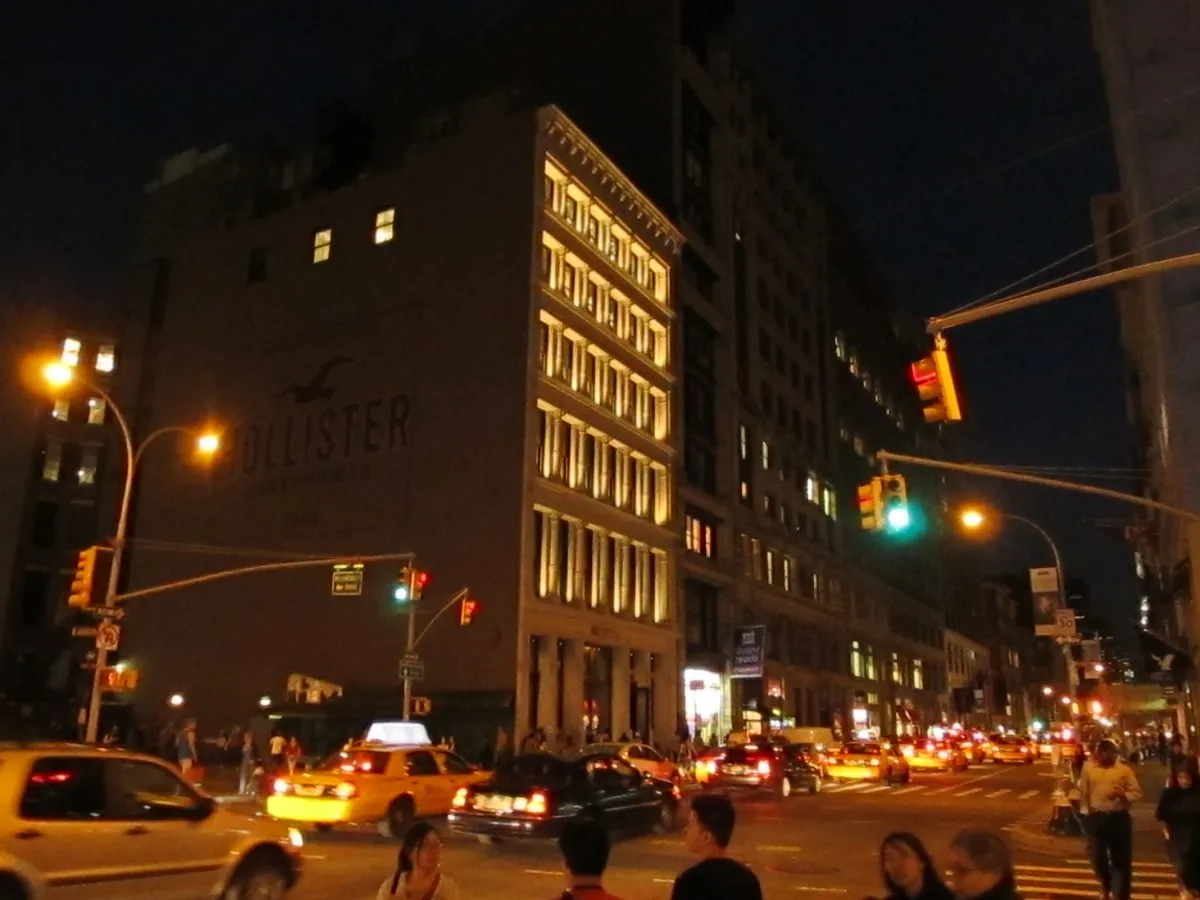
Start near the northern edge of the neighborhood and use West Broadway, Greene Street, or Mercer Street to establish the pace. The exact subway station matters less than choosing the entrance that fits the rest of your day; SoHo is served from several sides, and weekend service changes can make a “perfect” station recommendation unreliable. Check the MTA trip planner shortly before departure.
Spend the first twenty minutes walking without a store target. Notice which streets feel open and which are already congested. If Broadway is uncomfortable, do not wait for it to improve—move west. If weather, mobility, or energy makes cobblestones difficult, keep the route shorter and use the smoother cross streets rather than treating every famous block as mandatory.
2. Use Greene Street as the architectural spine
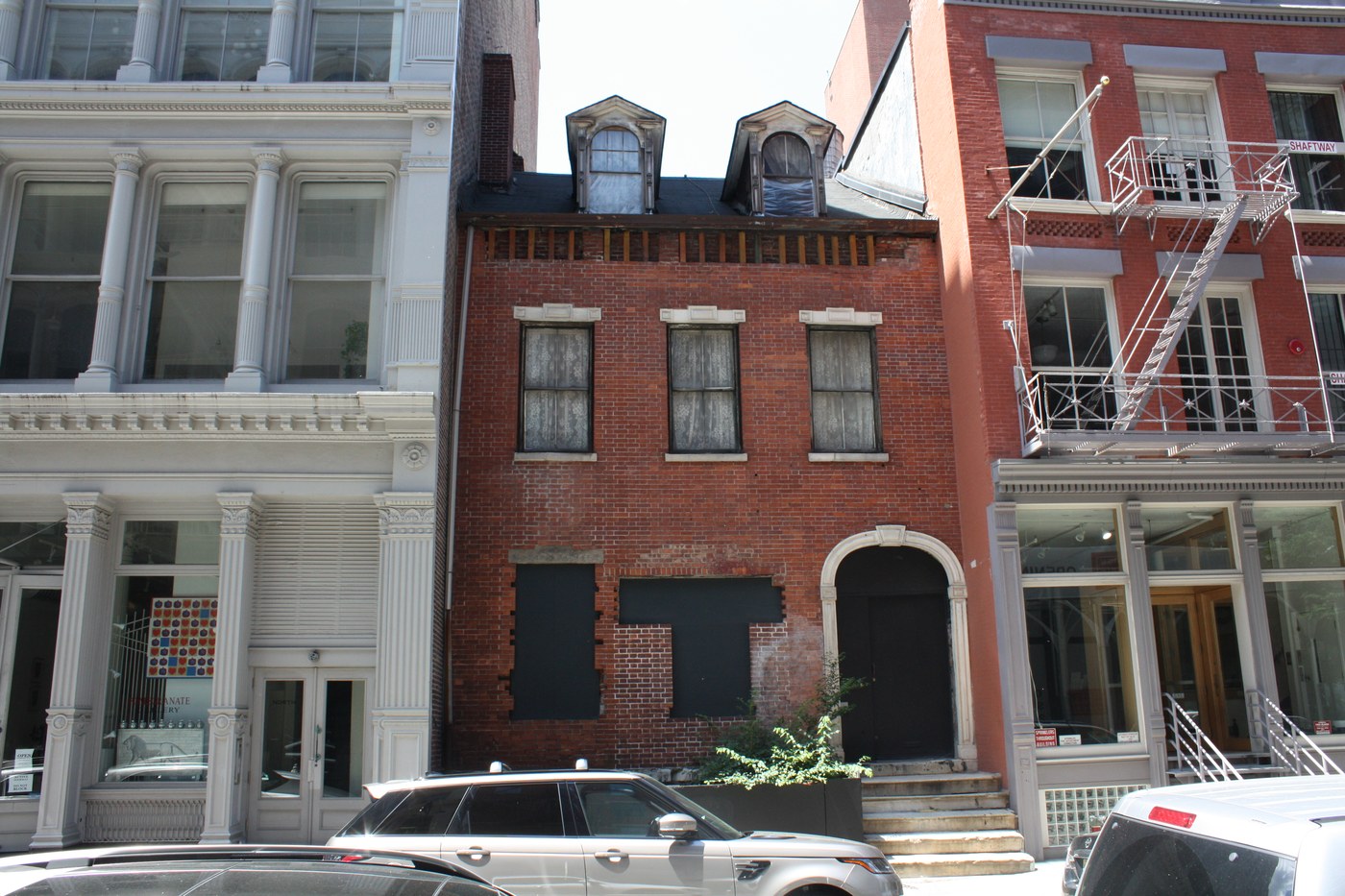
Greene Street gives a first-time visitor the clearest sense of SoHo’s cast-iron rhythm. Walk slowly enough to compare façades instead of photographing only the widest building. Mercer and Wooster work as parallel alternatives when Greene becomes crowded or when a construction site interrupts the view.
A useful rule is to alternate one north-south block with one cross street. That keeps the route compact while revealing how quickly the mood changes between shopping corridors and quieter architectural stretches. It also prevents the common mistake of walking far south and then retracing the same street to reach a museum or meal.
3. Choose one cultural anchor
For most first visits, one indoor stop is enough. The Drawing Center at 35 Wooster Street is the easiest fit for a flexible itinerary. At the July 23, 2026 review, it listed free admission and public hours from noon to 6:00 p.m. Wednesday through Sunday. Its exhibitions change, so check the current program rather than going for a remembered show. The venue also publishes accessibility information for its galleries, bookstore, and restrooms.
Choose 101 Spring Street instead when Donald Judd’s work, artists’ spaces, or the relationship between art and architecture is the central interest. Visits are guided and require more planning than walking into a conventional museum. Book directly through Judd Foundation, read the current visitor rules, and build the rest of the day around the confirmed tour time.
Trying to do both on a short first visit often makes the neighborhood feel scheduled rather than exploratory. Pick The Drawing Center for flexibility; pick 101 Spring Street for a specific art-and-architecture commitment.
4. Treat shopping as a filter, not the itinerary
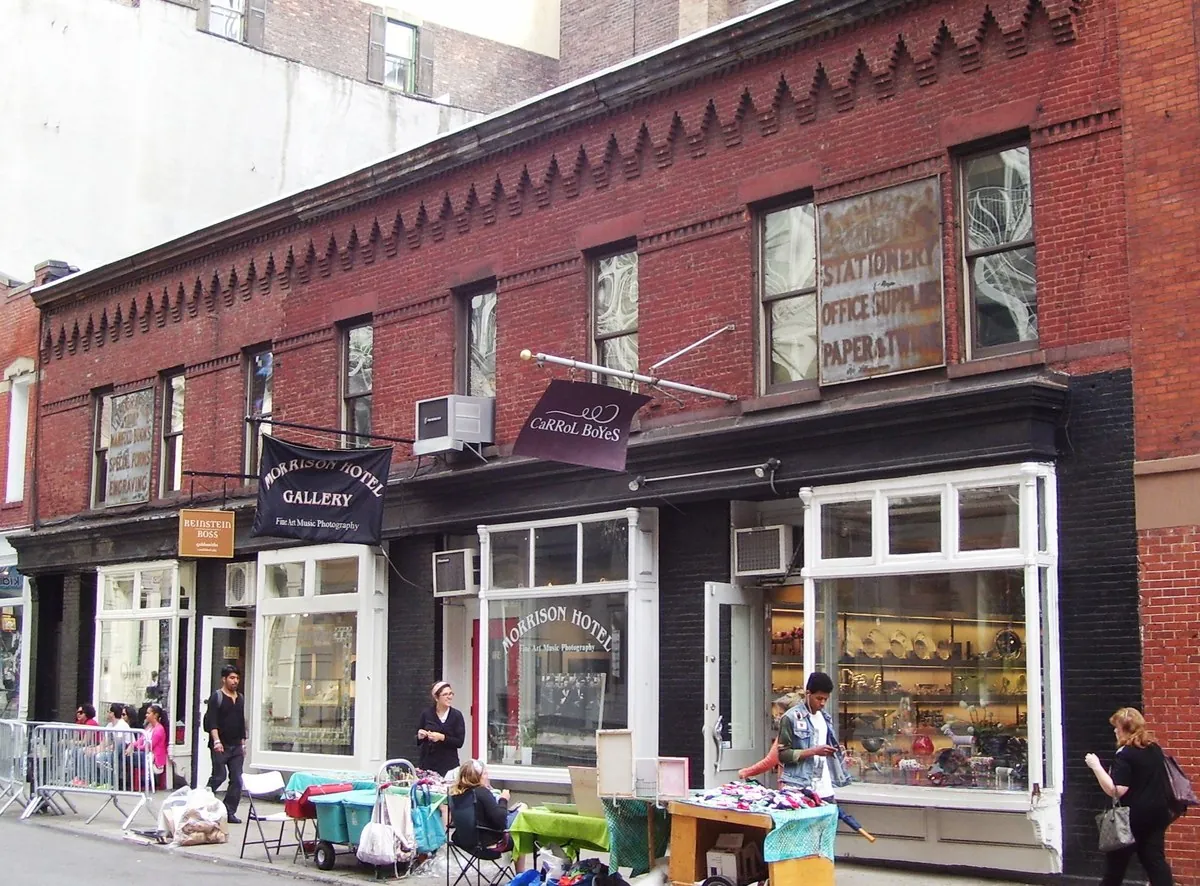
SoHo can absorb hours of unfocused shopping. Decide before arriving whether you are looking for one category—fashion, design, beauty, books, or gifts—or whether you simply want to browse for forty-five minutes. Without that boundary, store queues and repeated displays take over the afternoon.
Do not assume the most visible shop is the most useful stop. A large flagship may offer selection and restrooms but also a line and little connection to the neighborhood. A smaller shop may be distinctive but less comfortable for a group. The right choice depends on the reader’s actual goal, not on which storefront appears most often in travel videos.
5. End east of Broadway if you want a quieter pause
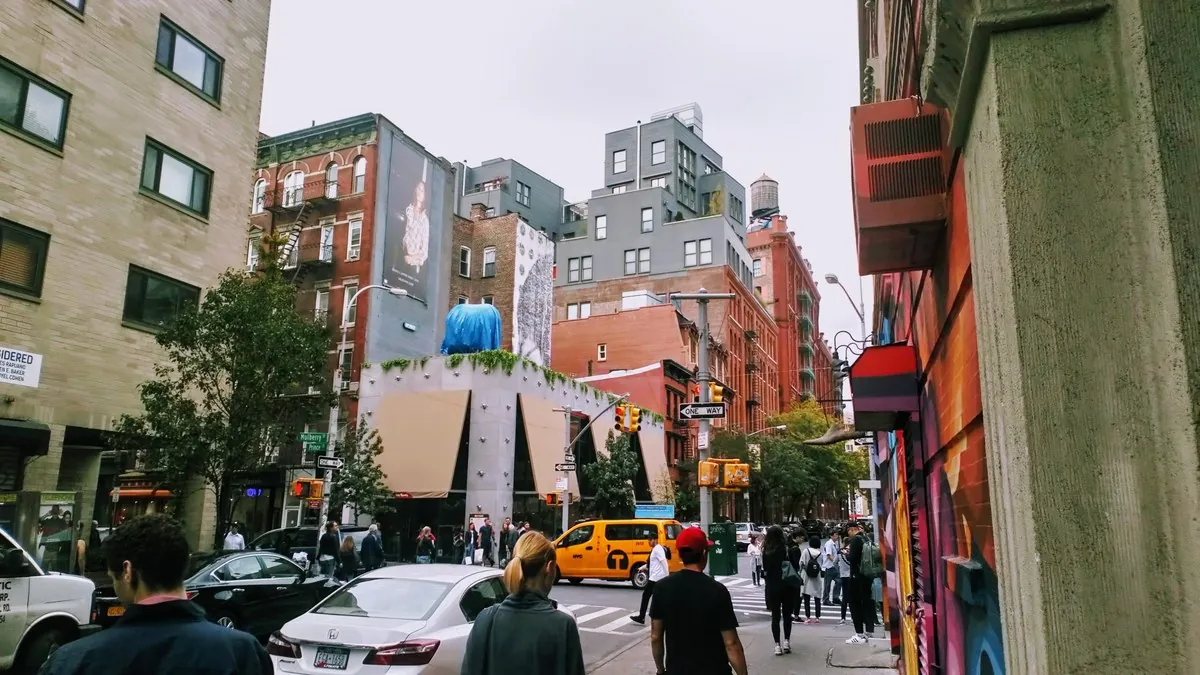
Housing Works Bookstore Café at 126 Crosby Street is a practical final anchor when you want secondhand books and a defined indoor break rather than another retail circuit. Its operating hours and café service should be checked directly on the day of the visit. The larger point is geographic: finishing near Crosby Street leaves you well positioned to continue into Nolita, NoHo, or the Lower East Side instead of walking back through the busiest blocks.
What to skip
- Skip the idea that every famous cast-iron block needs to be photographed. Choose two or three streets and look carefully.
- Skip a weekend-afternoon arrival if this is your only chance to understand the neighborhood rather than simply experience the crowd.
- Skip restaurant hopping without reservations or backup areas. SoHo is easy to combine with Nolita, Chinatown, or Tribeca when a wait no longer makes sense.
- Skip carrying shopping bags through a long museum or walking plan. Put purchases at the end whenever possible.
- Skip exact travel-time promises. Subway work, street congestion, weather, and queues can change the day.
Who will enjoy SoHo most
SoHo is a strong fit for first-time visitors who like to make decisions as they walk. The neighborhood rewards people who notice building details, browse selectively, and are comfortable changing the plan when a street or store is too crowded. It also works well for mixed-interest pairs: one person can care about architecture while another cares about shopping, and both can share the same route.
It is a weaker fit for anyone who needs a guaranteed quiet afternoon, plentiful seating, a playground-centered family plan, or a tightly controlled budget around shopping. Those readers are better served by a different neighborhood rather than a more complicated SoHo itinerary.
Timing and budget without false precision
A three-hour visit is enough for the architecture, one cultural stop, and a short break. Four hours allows shopping or a relaxed meal. More than half a day makes sense only when you have a confirmed tour, a serious shopping list, or a second nearby neighborhood in the plan.
The walk itself can be free. The Drawing Center currently makes a no-admission-cost cultural stop possible, while food, ticketed visits, and retail have no useful single budget. Separate those choices. A visitor who walks, sees one exhibition, and has coffee is having a different SoHo day from someone shopping at several flagships and booking a guided art visit; combining them into one “average cost” would be misleading.
A compact half-day plan
- 10:00 a.m.: Arrive near Houston Street and move away from Broadway for a calmer first look.
- 10:15 a.m.: Walk Greene and Mercer Streets, using cross streets to avoid retracing the same blocks.
- 11:15 a.m.: Browse one preselected shopping category or pause for coffee; do not start an open-ended store list.
- 12:00 p.m.: Visit The Drawing Center, or use a separately confirmed 101 Spring Street tour as the day’s fixed anchor.
- 1:00 p.m.: Finish near Crosby Street, then choose lunch in SoHo or continue east into Nolita based on waits and energy.
If the weather turns, shorten the architecture loop and move the cultural stop earlier. If crowds are already heavy, shift east toward Crosby Street and Nolita rather than forcing the Broadway portion.
The final call
SoHo deserves a place on a first Manhattan itinerary when you treat it as a compact architecture-and-design neighborhood with shopping available—not as a shopping district with a few old buildings in the background. Arrive early, leave Broadway often, choose one indoor anchor, and stop before the crowd becomes the main memory.
To browse verified retail store hours, boutique directories, and business listings across Prince and Spring Streets, consult the Manhattan-NYC SoHo Directory.
Suggested Route & Mini Plan
- Arrive around 10:00 a.m. near Houston Street and move west of Broadway.
- Use Greene Street as the main architectural walk, with Mercer or Wooster as crowd-avoidance alternatives.
- Limit shopping to one category or a fixed forty-five-minute window.
- Choose The Drawing Center for a flexible art stop or a prebooked 101 Spring Street visit for a more structured plan.
- Finish near Crosby Street and continue into Nolita if SoHo feels too crowded for lunch.
Backup: shorten the outdoor loop in poor weather and use the confirmed cultural stop as the anchor. Exit early toward Nolita or the Lower East Side if retail crowds become the main experience.
Curated Alternatives
Nolita for a smaller-scale walk
Choose Nolita when smaller shops, cafés, and a more intimate street scale matter more than cast-iron architecture or major-brand shopping.
Tribeca for a calmer downtown afternoon
Choose Tribeca when you want a quieter architectural walk, wider streets, and a slower meal, and you are comfortable with a higher overall budget.
Chelsea for a gallery-focused plan
Choose Chelsea when contemporary galleries are the main reason for the day and you would rather build the route around art than shopping.
Frequently Asked Questions
How much time should a first-time visitor spend in SoHo?
Plan three hours for the cast-iron streets, one cultural stop, and a short break. Allow four hours if shopping or a full meal is important. A full day is usually unnecessary unless you have a confirmed tour or are combining SoHo with Nolita, Chinatown, Tribeca, or the Lower East Side.
Is SoHo worth visiting if I am not interested in shopping?
Yes. The cast-iron architecture and street pattern are the durable reasons to visit. The Drawing Center can add a flexible art stop, and 101 Spring Street can anchor a more focused art-and-architecture visit when booked in advance.
What is the best time to visit SoHo?
A weekday morning offers the best balance of calmer streets and enough time to add a cultural venue when it opens. Weekend afternoons are usually the least comfortable time for a first visit because the busiest retail blocks can dominate the experience.
Where should I start a SoHo walking route?
Use the subway entrance that best fits the rest of your Manhattan itinerary, then begin near the northern side of SoHo and work south without backtracking. Check the MTA trip planner before leaving because service patterns and station access can change.
Is SoHo a good neighborhood to visit with children?
It can work for older children who enjoy architecture, drawing, books, or short browsing stops. It is less reliable for a playground-centered day or for children who need frequent seating and open space. Cobblestones, crowds, and store queues should be part of the decision.
Our recommendations are handpicked independently. No paid placement, no sponsored rankings. How we choose