
Neighborhood hub
SoHo: When It Is Worth the Crowds
SoHo is famous for cast-iron streets and shopping windows—but that fame is exactly the problem on a short first trip. This hub helps you decide whether a half day here earns its crowds, what to skip, and which WhyManhattan plans actually fit the grid.
Reader question: Should I spend a half day in SoHo?
Who it fits
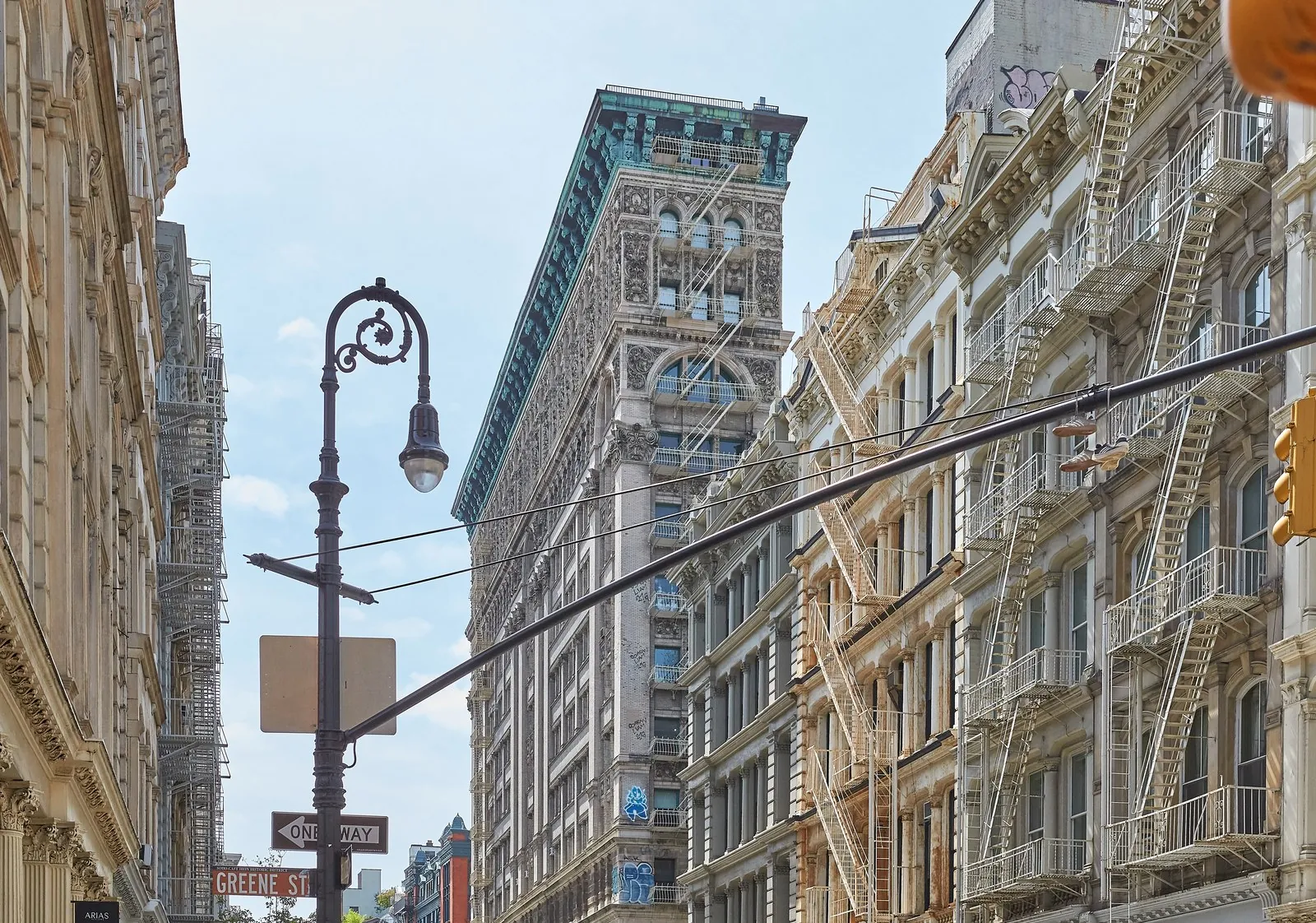
Travelers who want architecture before shopping, can walk on uneven cobblestones, and are fine with a busy midday corridor if the route is disciplined. SoHo works when you treat it as a paced walk with one cultural anchor—not when you need a calm neighborhood to recover from jet lag.
Who should pick another area
Skip SoHo as a default if you dislike shopping culture, are traveling with a stroller on cobblestones, or only have one Manhattan afternoon and have not yet seen Central Park or your must-book museum. Pick the West Village instead for a slower pace, or stay downtown only if Lower Manhattan’s harbor geography is the actual goal—not Broadway retail.
Thinking about staying in SoHo?
Use the where-to-stay chooser to compare this neighborhood with other Manhattan bases using your trip anchor, noise tolerance, budget, kids, transport priority, and trip length. Then use How to Choose Where to Stay in Manhattan to check the exact hotel door, final payable room total, cancellation terms, and the route you will repeat most.
How much time is realistic
A focused half day (three to four hours on foot) is realistic: one architectural spine, one cultural stop, and a deliberate east-or-west finish. A full day only makes sense if you are pairing SoHo with a specific reservation, gallery block, or bookstore visit—not if you are browsing every storefront.
SoHo’s reputation runs ahead of the experience. Visitors picture effortless style and short walks between photogenic corners; in practice they hit Broadway’s retail crush, pause at every window, and leave wondering whether the neighborhood was worth the hype. The honest answer is conditional: SoHo rewards a reader who arrives with a question, a time box, and permission to skip famous streets that do not serve that question.
What SoHo is actually good at
The neighborhood’s durable strengths are architectural and spatial, not transactional. The cast-iron district—especially the north–south spines west of Broadway—lets you read 19th-century commercial New York at street level without a museum ticket. Galleries, design showrooms, and small cultural anchors (Drawing Center, Judd Foundation on Spring Street) give you a reason to stand still that is not shopping.
SoHo also works as a connector. You can walk south toward Tribeca or west toward the West Village without a subway ride, which matters when you are building a day around foot mileage rather than landmark checkboxes. The blocks are compact enough that a disciplined walker can cover the architectural story without crossing into a second neighborhood—if you resist the urge to “also” do Nolita, NoHo, and Little Italy in the same afternoon.
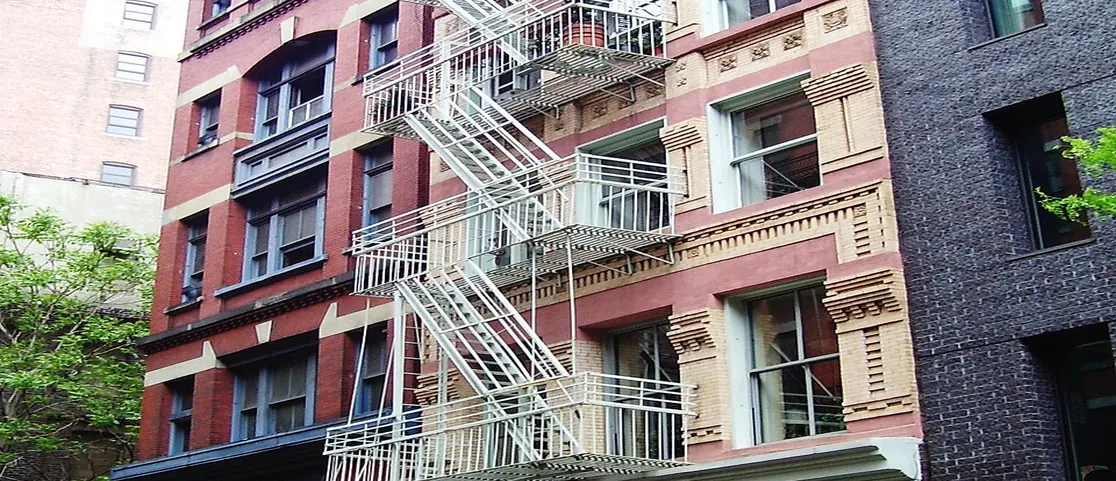
First-time visitors often underestimate how vertical the experience is. The cast-iron facades, fire escapes, and loading bays tell a merchant-city story that photographs flatten. Slowing down on one block—reading plaques, comparing column spacing, noticing how ground floors changed from factories to showrooms—delivers more than hopping between Instagram corners.
When the crowds are the point—and when they are not
Crowds are not automatically a reason to avoid SoHo; they are a reason to be specific. If your trip goal is “see why people talk about SoHo,” a weekday late-morning walk along Greene Street delivers that story with tolerable density. If your goal is quiet contemplation or kid-friendly pacing, the same streets on a Saturday afternoon fight you.
Season matters too. Holiday windows and mild spring weekends concentrate shoppers; August heat pushes people into air-conditioned stores, which can feel like relief or trap depending on your plan. Rain narrows the sidewalks further—carry the assumption that you will not keep a tight schedule if weather is wet.
- Worth it: you want cast-iron architecture, one gallery or foundation visit, and a defined exit time.
- Worth it: you already have a reservation or bookstore stop that anchors the visit (see Housing Works below).
- Skip or shrink: this is your only culture block and you have not planned museums or parks yet.
- Skip or shrink: you are optimizing for cheap eats and subway simplicity—Chinatown or the West Village may fit better.
How to structure a half day without becoming a shopper
The failure mode is treating SoHo like an open-air mall: enter at Houston, drift east on Broadway, buy nothing, feel drained. A better frame is three moves—entry, spine, anchor—then leave.
1. Enter with a boundary
Start from Houston Street knowing your exit: either west toward the Village, south toward Tribeca, or east for a short Nolita pause. If you cannot name the exit, you are not ready to enter.
2. Walk one architectural spine
Greene Street’s cast-iron row is the classic spine for first-timers. Walk it for facades and scale, not storefronts. Look up; the district’s story is vertical. Prince and Spring carry more retail energy—use them only if shopping is genuinely on your list.
If you are comparing SoHo to the West Village, the difference is rhythm: SoHo’s grid is wider, the buildings are loftier, and the ground floors sell things. The Village rewards wandering without a product in mind. Choose SoHo when you want a defined architectural lesson; choose the Village when you want benches, bakeries, and residential quiet.
3. Choose one cultural anchor
Pick a single timed or ticketed stop so the afternoon has weight: a gallery block, Judd Foundation if tickets align, or Housing Works Bookstore if you want a seated, indoor counterweight to Broadway noise. Two anchors in one half day usually means rushing both.
Housing Works on Crosby Street is the clearest example of an anchor that changes the day’s texture: mahogany shelves, a spiral stair, and café tables that reward sitting down. It is not a substitute for the SoHo walk—it is the pause that makes the walk tolerable when Broadway has worn you out. Read our spotlight for who it suits and when the café is too busy for reading.
What to read next on WhyManhattan
Use the linked guides below rather than treating this page as the itinerary. Our SoHo first-visit piece is the step-by-step walk; Housing Works is the spotlight if a bookstore-café sanctuary fits your afternoon; the West Village half-day plan is the alternative when you want residential quiet instead of retail energy.
Nolita, NoHo, and the “while I am here” trap
Maps blur SoHo into Nolita and NoHo because the blocks touch. That does not mean you should tour all three names in one go. Nolita’s smaller streets can be a five-minute east-of-Broadway pause—Mulberry or cobblestone side streets—when you need air after shopping corridors. NoHo is easy to overpromise; unless a specific venue pulls you there, do not expand the day for neighborhood completeness.
Our SoHo first-visit guide tags Nolita and NoHo where the walk actually uses them. Treat those tags as boundaries and caveats, not as a requirement to “do” three neighborhoods. If you finish Greene Street satisfied, you do not owe Nolita a separate hour.
SoHo or West Village? Choose by what you want the afternoon to do
The shortest useful comparison is not “which neighborhood is prettier?” SoHo works when the afternoon needs cast-iron architecture, design or gallery focus, selective shopping, and a defined route through busier streets. The West Village works when the point is residential scale, irregular blocks, café or bench pauses, and permission to wander without a shopping objective.
If that slower residential pace sounds better, switch to the West Village hub. Do not create a second itinerary by trying to make SoHo perform the West Village’s job.
Greenwich Village begins when Washington Square becomes the anchor
If you are walking north because Washington Square, MacDougal/Bleecker food, or a small performance matters more than cast iron and shopping, switch to the Greenwich Village hub. Do not keep stretching the SoHo itinerary across Houston just because the map is compact.
The decision in one line
Spend a half day in SoHo when cast-iron architecture and one intentional indoor stop matter more to you than calm sidewalks—and when you will leave before Broadway turns the visit into aimless browsing. Otherwise, borrow the pace from our West Village plan and keep SoHo for a return trip with a reservation in hand.
What this hub will not do
This hub is not a store directory, a “best boutiques” list, or a restaurant roundup. We do not rank every cast-iron block or pretend one afternoon can cover Nolita, NoHo, and SoHo as three separate tours.
Practical caveats
Weekend afternoons on Broadway and Prince Street are crowded; weekday late mornings are easier. Cobblestones and curbs are hard on wheels and tired feet. Subway access is good (Spring St, Canal St, Prince St), but weekend service changes happen—check MTA before you commit to a timed reservation elsewhere. Nolita sits east of Broadway with quieter blocks; treat it as a boundary or a short pause, not a second neighborhood to “complete.”
SoHo for First-Time Visitors: What to Do, Skip, and Plan
A practical first-visit plan for SoHo: when to arrive, which streets reveal the cast-iron district, what deserves time, what to skip, and how to build a realistic half-day.

Housing Works Bookstore in SoHo: Who It Is Best For
An intimate editorial spotlight on Housing Works Bookstore Cafe at 126 Crosby Street—SoHo’s most atmospheric literary sanctuary, used book treasure trove, and community haven.
The West Village for a Slow Afternoon: A Walkable Half-Day Plan
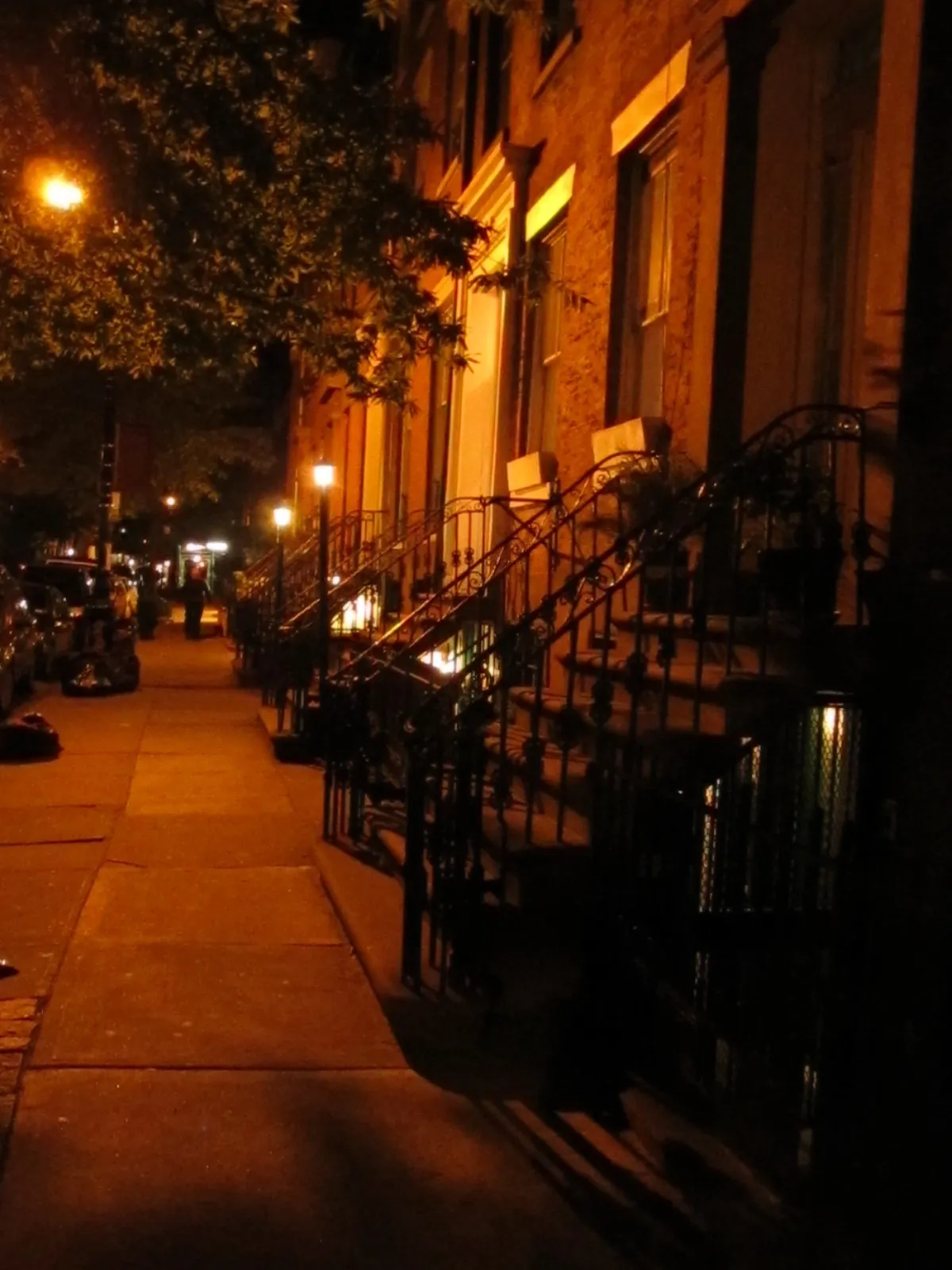
A slow half-day walking plan for Manhattan’s West Village: tree-lined townhouse blocks, independent bookshops, hidden courtyards, classic pizza slices, and dusk wine bars.
Our recommendations are handpicked independently. No paid placement, no sponsored rankings. How we choose