
The Lower East Side If You Skip the Checklist
Walk the Lower East Side with one meal anchor and a stop time—not a heritage scavenger hunt, Chinatown combo march, or bar crawl.

⚡ At a Glance Overview
Why We Chose This
Checklist blogs turn the LES into queue homework—museum, bakery, every plaque. This neighborhood guide fixes one spine, one meal, and a Chinatown boundary so downtown days stay walkable instead of extractive.
Editorial Notes & Caveats
Restaurant hours and cash policies change—confirm at the counter before you commit. Chinatown east of the Bowery is a boundary, not an automatic add-on to this loop. Do not photograph residents eating as content. Weekend Essex Market area can compress sidewalks. This article is not a bar or club guide.
The Lower East Side rewards visitors who skip the heritage scavenger hunt—every tenement plaque, every “you must see” museum line, every checklist blog that treats Orchard Street like a theme park. The better frame is a walkable loop with one meal anchor, a clear stop time, and permission to miss a landmark if the sidewalk already gave you what you came for.
Judgment first: choose the LES when you want east-side food blocks, tenement-scale streets, and less St. Mark’s retail noise than the East Village—on a downtown day when you are not also trying to “do Chinatown” in the same hungry afternoon. Glue those neighborhoods together and you get a death-march of queues, not a coherent afternoon.
This is not a bar crawl. Evening bar rows on Avenue A and side streets are a different clock, noise level, and ID check pattern. Here the default exit is late afternoon unless you planned extension deliberately.
Who this loop fits
Fits curious first-timers who like food-forward walking without a ticketed anchor every hour. Fits return visitors who already saw the Statue ferry downtown spine and want a grittier grid east of Broadway. Fits solo walkers who can eat at a counter without treating every block as a photography assignment.
Fits poorly when you need wide stroller paths—sidewalks narrow and curb cuts vary. Fits poorly when you want one iconic interior—the LES is accumulation, not a single marquee. Fits poorly when you are exhausted from a harbor morning and need a bench-heavy recovery day uptown.
Map logic: LES, East Village, and Chinatown
Rough borders: the Bowery west edge separates East Village street energy from LES tenement rhythm. Delancey and Chinatown corridors sit south and east—useful for food, but a different manners and queue pattern than Orchard and Essex loops.
Chinatown is not a combo add-on. A few honest hours in Chinatown—what to eat, what not to perform for a camera, when to leave—belongs in a dedicated Chinatown afternoon, not tacked onto an LES loop because the map zoomed out. If you are already full from dim sum, you will not enjoy tenement street texture—you will just count blocks.
The East Village first afternoon guide covers St. Mark’s, Tompkins Square, and west-of-Bowery spines. Choose east when you want less souvenir-shop strip energy and more east-side lunch corridors—or when you already did the East Village and want a second downtown day without repeating the same spine.
Skip the checklist mentality
Checklist culture treats the Tenement Museum, every Jewish bakery name, and every “historic” facade as mandatory proof of visiting New York. That produces queue fatigue and guilt-driven interiors you will not remember.
The Tenement Museum is a legitimate decision when you want a timed, guided interior that explains immigration housing—but it is a two-hour ticket commitment, not a casual doorway. Skip it on this loop if your afternoon is already food-and-walk shaped; add it only when you deliberately shrink the street loop to make room. Verify current ticket policies on the museum’s official site before you walk there.
Street texture on Orchard, Rivington, and Essex carries much of the neighborhood’s story without a ticket. Read plaques if you want context; do not treat every brick as homework.
A walkable loop without zigzags
Default loop: subway to Delancey Street–Essex Street or Second Avenue–F train stops; walk north on Essex Street or Orchard Street with short east hops toward Clinton Street, then south or west back toward the Bowery exit—not a pattern of every parallel street because the map looked dense.
Essex Market and weekend market energy can anchor the southern end when you want indoor browsing before you commit to a long north walk. Orchard Street carries mix of quick eats, legacy shops, and weekend foot traffic—walk it once as your meal spine, not three times because each block looked different on Google Maps.
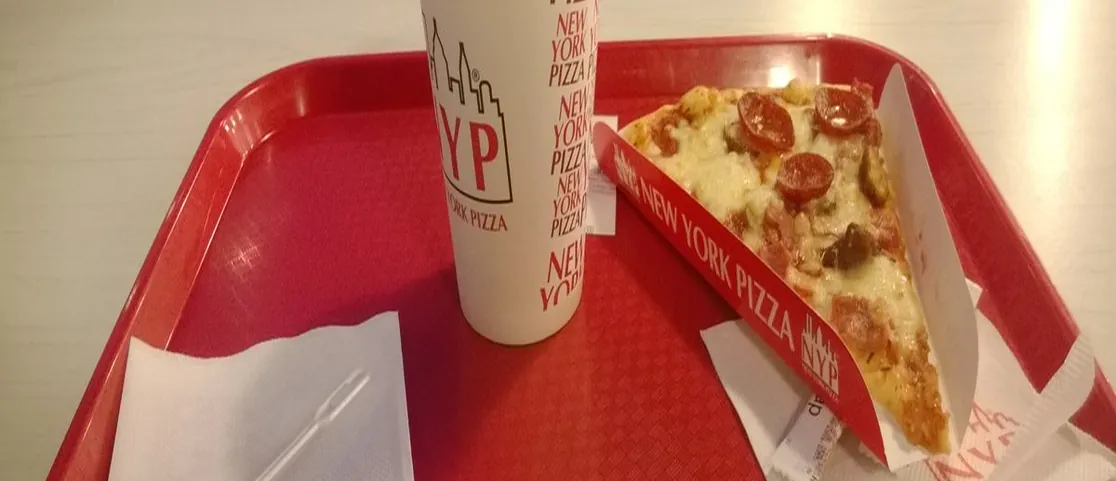
A counter slice on Orchard can be a legitimate meal anchor when lines are sane—heritage-grain pizza is a sit-down-or-stand decision, not a scavenger hunt add-on. Pick one food format before you walk: counter slice, dim sum sit-down, rice plate, or bakery counter—then stop hunting.
Food without a twenty-stop east-side crawl
LES eating punishes improvisation on Saturday lunch—you queue twice, eat standing, and wonder why the afternoon feels like errands. Choose one anchor: a rice plate corridor, a noodle counter, a sit-down room with a wait you accept, or a slice shop you will stand in for if the line is visible from the street.
Affordable eats in Lower Manhattan solves under-$15 value across Chinatown and LES counters with verified hours—it is the budget spreadsheet, not this neighborhood loop. Use it when price is the constraint; use this article when geography and stop time are the constraints.
Do not treat every famous name as mandatory in one afternoon. One meal plus optional treat stop matches the East Village discipline—here the blocks are longer and queues can be slower.
When to choose another neighborhood
Choose the East Village when you want younger street retail and Tompkins Square without crossing Delancey. Choose Lower Manhattan’s downtown spine when ferries and memorial plazas own the day—FiDi is south, not this loop. Choose Chinatown alone when dumpling and roast-meat corridors are the entire goal.
Choose a West Village afternoon when crowd noise already overwhelmed you east of Broadway and you need residential calm west of Seventh Avenue.
Practical caveats
Weekend afternoons compress Orchard and Essex sidewalks—groups, strollers, and photo stops stack. Weekday late morning to mid-afternoon is softer for counters that close between lunch and dinner.
Cash still appears at legacy counters; carry small bills even when you expect card. Respect residents—this is a lived-in grid, not a set for street photography of strangers eating.
Summer heat makes long east-side walks without a sit-down plan miserable; winter wind on wide avenues pushes you indoors—pick the meal anchor before weather forces a random doorway.
A checklist-free mini-plan
- Subway to Delancey–Essex or 2nd Avenue LES stops; do not start in Chinatown unless that is a different day.
- Walk north on Essex or Orchard—one spine, short east hops only if a block looks open and calm.
- One meal anchor chosen before you queue: counter, sit-down, or slice with visible line math.
- Optional Tenement Museum only if you booked time and cut the street loop accordingly.
- Turn back toward Bowery or west to subway by your stop time—4:30–5:30 PM default.
That loop is complete without a heritage badge collection. You can leave having eaten well and walked tenement-scale blocks without proving you studied every plaque.
Who should skip the LES this trip
Skip when you already glued Chinatown and LES into one starving afternoon—split the days. Skip when nightlife is the goal. Skip when you need a single famous photo and leave—the payoff here is texture over marquee.
Skip when your downtown day is already FiDi harbor ticketed blocks plus Brooklyn Bridge—add LES only if energy remains, not as a mandatory east-side checkbox.
Suggested Route & Mini Plan
- Subway to Delancey–Essex or 2nd Avenue—Chinatown is another day.
- Walk north on Essex or Orchard; one spine, minimal zigzags.
- One meal anchor chosen before you queue.
- Tenement Museum only if timed ticket booked and loop cut.
- Exit west toward Bowery subway by late afternoon.
Curated Alternatives
East Village first afternoon
St. Mark’s souvenir energy and Tompkins Square fit a first downtown afternoon better when you want louder street texture west of the Bowery—not tenement-history depth east of it.
Affordable eats in Lower Manhattan
When budget is the only constraint and you need verified under-$15 counters, the affordable Lower Manhattan eats guide solves a different problem—value lunch math, not a neighborhood loop.
Chinatown as a separate afternoon
Chinatown deserves its own bounded visit with manners and route logic—do not glue it onto the same hungry afternoon as a full LES walk.
Frequently Asked Questions
Is the Lower East Side worth a first visit without a checklist?
Yes when you want east-side food corridors and tenement-scale streets without St. Mark’s retail noise—and when Chinatown is a separate day, not the same hungry afternoon.
Can I combine the LES and Chinatown in one afternoon?
No for a full LES loop plus Chinatown dumpling crawl in one afternoon—queues and geography stack into a death-march. Chinatown deserves its own bounded visit.
Do I need the Tenement Museum to understand the LES?
Only if you deliberately book timed entry and shrink the street loop. It is a strong interior decision, not a casual add-on while you are already queueing for lunch.
What is a simple LES walking loop?
Subway to Delancey–Essex or 2nd Avenue stops; walk north on Essex or Orchard with one meal anchor; turn back by late afternoon. Skip avenue zigzags.
When is the East Village or affordable eats guide better?
East Village for west-of-Bowery street energy and Tompkins. Affordable Lower Manhattan eats when under-$15 value is the main constraint—not loop geography.
Our recommendations are handpicked independently. No paid placement, no sponsored rankings. How we choose