
Neighborhood hub
The East Village When You Want Walkable Food and a Younger Street
The East Village fits a Manhattan afternoon when you want street energy, casual food, and browsing without a landmark checklist—not when you need quiet brownstone lanes or a single famous photo. This hub helps you decide whether that downtown grid belongs on your trip, then points you to the half-day route and meal guides without turning the neighborhood into a restaurant leaderboard.
Reader question: Should I spend an afternoon in the East Village for walkable food and street life?
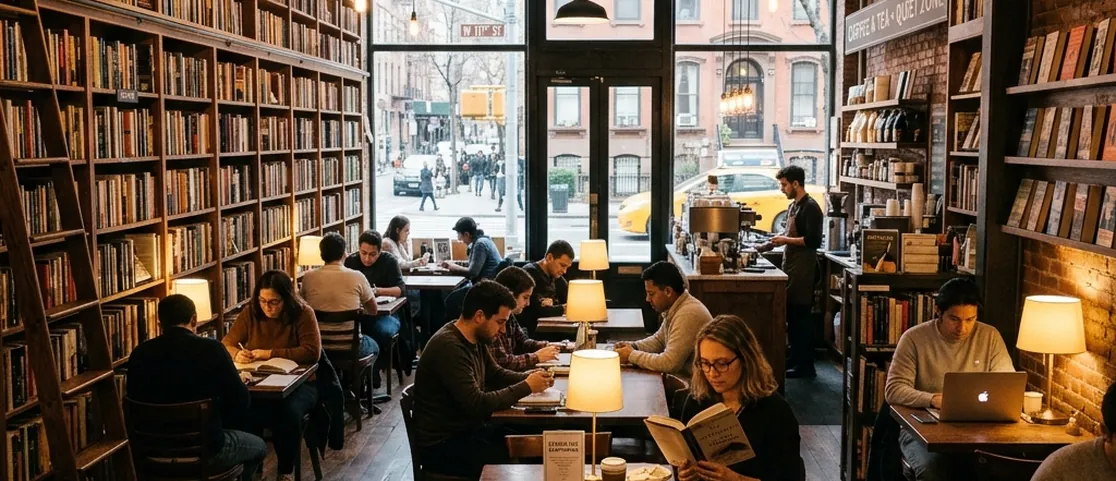
Who it fits
Walkers already downtown or near Union Square with three to four hours; solo diners comfortable at counters; visitors who enjoyed Midtown and want a grittier, younger-street rhythm; pairs who want one meal anchor and a clear stop time—not a reservation crawl.
Who should pick another area
Skip the East Village as a default “Village day” when your group needs stroller-wide paths, silence, or residential courtyard pace—the West Village slow afternoon is calmer. Skip when you are uptown with only ninety minutes—the subway there-and-back eats the experience. Skip when nightlife is the real goal; bar rows here are evening product, not this hub’s afternoon frame.
How much time is realistic
Plan three to four hours for a first afternoon: one north–south spine, a timed pause at Tompkins Square, one meal anchor, and a walk back to 14th Street subway lines. Union Square farmers market can add thirty minutes if that is your southern start—not a second neighborhood tour.
On the map, the East Village sits east of Broadway and north of 14th Street—a dense grid of low-rise buildings, quick-food counters, vintage storefronts, and park benches that read younger and louder than the West Village west of Seventh Avenue. Visitors often lump “the Village” together; in practice the east side rewards a spine-and-hop walk while the west side rewards wrong-turn wandering among townhouses.
The neighborhood’s payoff is accumulation: one St. Mark’s pass, a Tompkins Square bench reset, a counter lunch you chose before you walked—not a single ticketed anchor. That is why this hub pairs with a half-day route article rather than standing alone as a directory.
What the East Village is good at
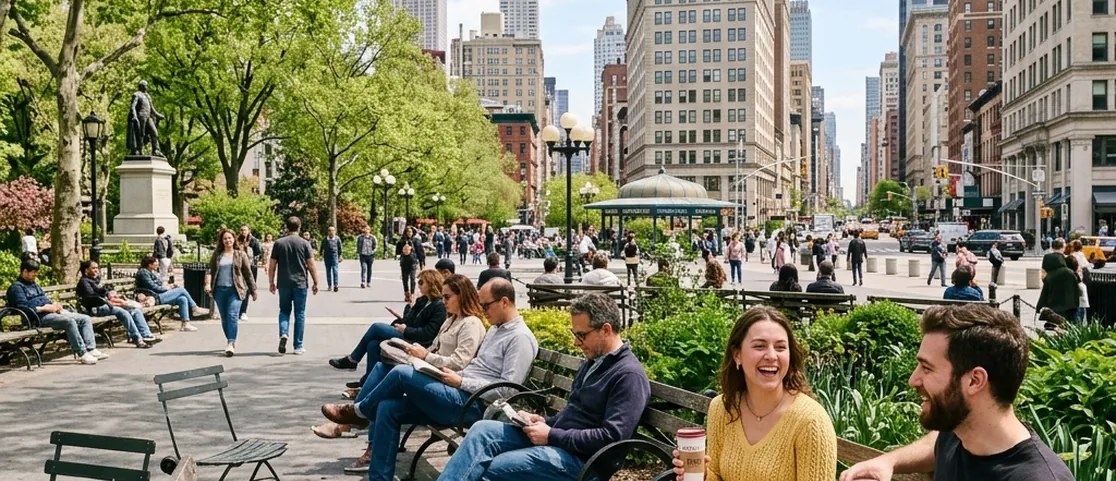
Walkable food at many price points: slices, ramen counters, bakeries, and sit-down bistros without a Midtown dress-code layer. Street browsing—bookshops, small retail, street vendors on weekends—without a museum ticket required. Tompkins Square Park as a timed pause between retail noise and the next block.
Solo-friendly formats cluster here: stool counters, bars that serve food, and quick plates you can eat standing. The eat-alone guide names patterns that reduce awkward table service when you are traveling alone.
Street logic: spine, not scavenger hunt
The failure mode is avenue zigzagging because every block looked close on the map. A workable first afternoon uses one north–south spine—Third or Second Avenue—then short east hops toward St. Mark’s and Tompkins, then west back toward Astor Place or 14th Street–Union Square subway hubs.
- Start from 14th Street–Union Square or Astor Place when you are already downtown.
- Walk east on one spine; do not camp in Union Square unless the market is the goal.
- Pause at Tompkins Square with a stop time—not an open-ended park sit.
- One meal anchor chosen before you walk: counter, sit-down, or pastry-and-bench.
- Exit west by late afternoon unless you deliberately planned evening extension.
The first-afternoon guide executes that loop with boundary notes for NoHo, the Bowery edge, and when to pivot neighborhoods.
Compared with the West Village and Lower East Side
West Village afternoons trade St. Mark’s density for residential scale, pastry walks, and courtyard pace. If your group melts in weekend crowds, west is usually kinder on Saturday afternoons. Choose west when the goal is slow—not when you want louder street texture.
Lower East Side blocks sit east and south—tenement history, dim sum corridors, less souvenir-shop strip energy. Pair days rather than neighborhoods in one afternoon: East Village spine on a first downtown day, LES deeper east on a second. Affordable eats in Lower Manhattan covers value lunch patterns when your walk drifts toward Delancey.
If Orchard/Essex history, deeper east-side lunch blocks, and a checklist-free loop are the stronger draw, switch to the Lower East Side hub. Keep this East Village hub for St. Mark’s/Tompkins street-and-food energy.
Union Square as southern edge, not the whole afternoon
Union Square farmers market, commuter flow, and bakery lines at the 14th Street hub are useful southern anchors—but ninety minutes in the square is not an East Village afternoon. Breads Bakery and park benches belong to Union Square rhythm; St. Mark’s and Tompkins belong to east-side rhythm. Start east if that is the intent.
Food without a twenty-stop list
Pick one format before you leave the subway: counter lunch, forty-five-minute sit-down, or coffee-and-pastry with a bench finish. One meal plus one optional treat stop is enough; weekend St. Mark’s queues punish multi-stop grazing. Late-night kitchens matter only if you extend past 10:00 PM—the late-night food guide groups east-side clusters for that different clock.
When to extend into evening
Bar density rises after dark on Avenue A and side streets. That is a different guide problem—noise, ID checks, and kitchen hours—not this afternoon hub. If your afternoon becomes a 10:00 PM ramen hunt, you did not time-box the park pause.
First-date low-pressure walks sometimes end in east-side wine bars; the first-date mood guide overlaps geographically but assumes a social goal, not a solo browsing afternoon.
What to read next on WhyManhattan
Open the East Village first-afternoon guide for the executable loop—spine, Tompkins pause, meal anchor, stop time. Use the West Village slow afternoon when calm wins over energy. Use eat-alone formats when party size is one. Use late-night food when the clock passes 10:00 PM. Use Breads Bakery at Union Square only when the southern edge is your pastry stop, not the whole plan.
Central Greenwich Village is west before the West Village becomes residential
If Washington Square, the NYU edge, MacDougal/Bleecker, or one small performance is the anchor, use the Greenwich Village hub. Keep this East Village page for St. Mark’s/Tompkins street-and-food energy.
The decision in one line
Choose the East Village when you want three to four hours of walkable food and younger street life downtown with one meal chosen upfront—skip it when you need quiet Village brownstones, a single landmark, or a nightlife crawl without an afternoon frame.
What this hub will not do
This hub is not a ranked list of every counter on St. Mark’s, a bar guide, or a nightlife crawl. It does not treat the East Village as “more authentic” than the Lower East Side or West Village—it compares pace and fit. Meal timing for late kitchens lives in the late-night food guide.
Practical caveats
Saturday 2:00–5:00 PM on St. Mark’s Place and near Tompkins Square stacks foot traffic; weekday afternoons are softer. East of Avenue A edges toward Lower East Side geography—name a turn-back line before you accidentally expand the loop. NoHo north of Houston is a boundary, not the same plan. Rain pushes you into cafes and bookshops, not an unplanned bar hop.
The East Village for a First Afternoon
Use the East Village for a first afternoon of walkable food and street life—one spine, one meal anchor, Tompkins as a timed pause—not a scavenger hunt or nightlife crawl.
The West Village for a Slow Afternoon: A Walkable Half-Day Plan
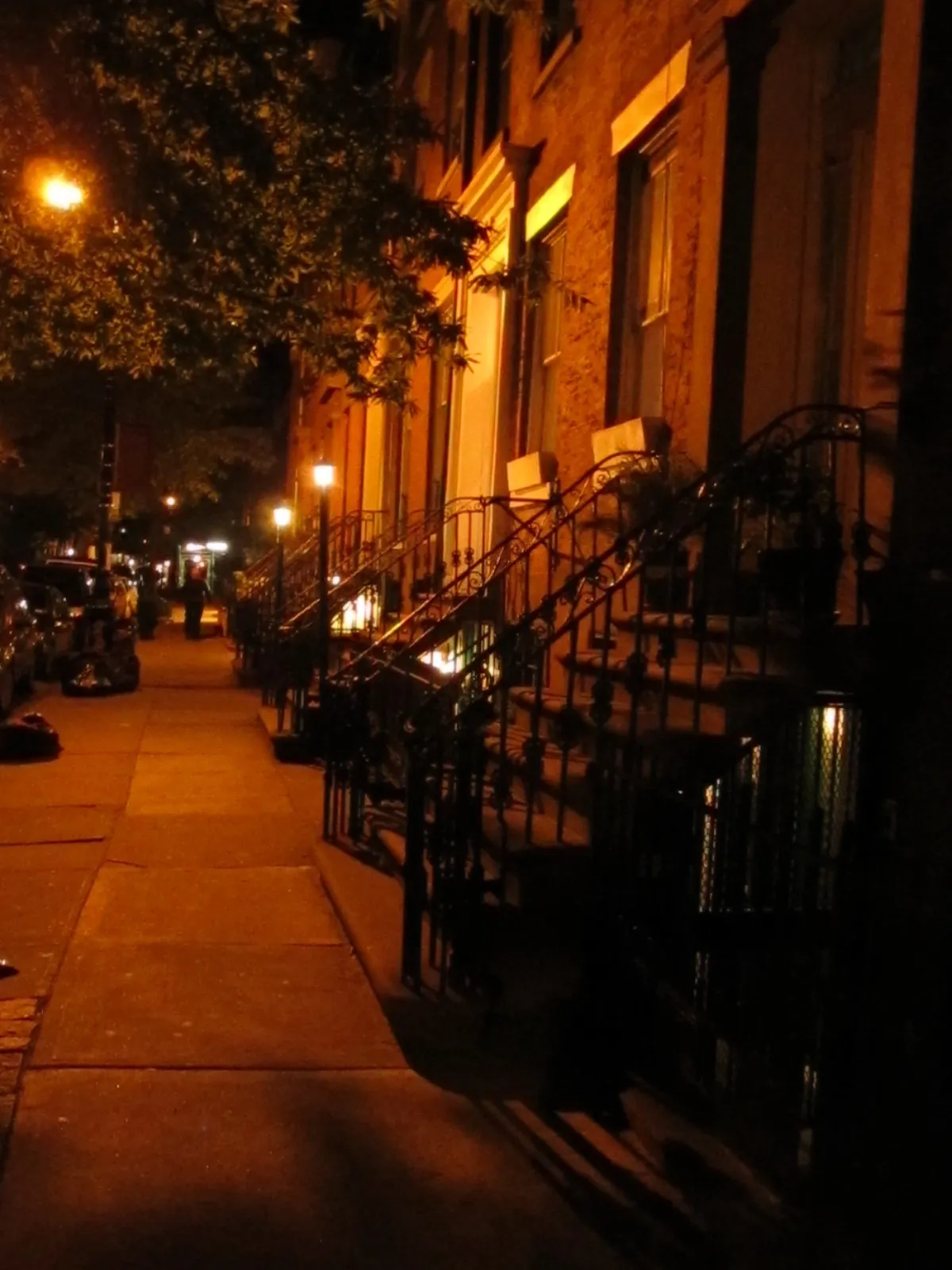
A slow half-day walking plan for Manhattan’s West Village: tree-lined townhouse blocks, independent bookshops, hidden courtyards, classic pizza slices, and dusk wine bars.
Where to Eat Alone in Manhattan—and Feel Comfortable
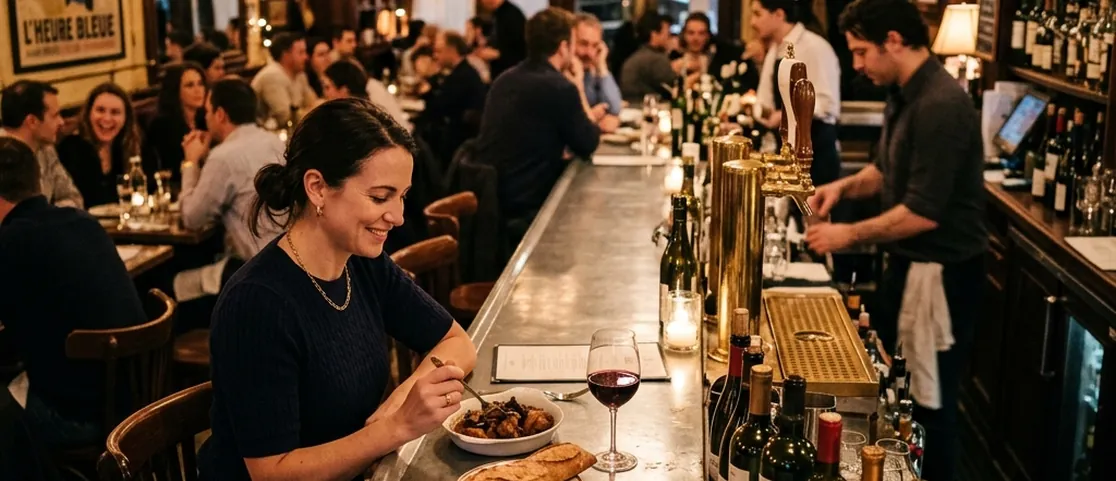
A practical local guide to solo dining in Manhattan. Discover full-menu bistro bars, Japanese ramen counters, and historic lunch counters where eating alone feels natural.
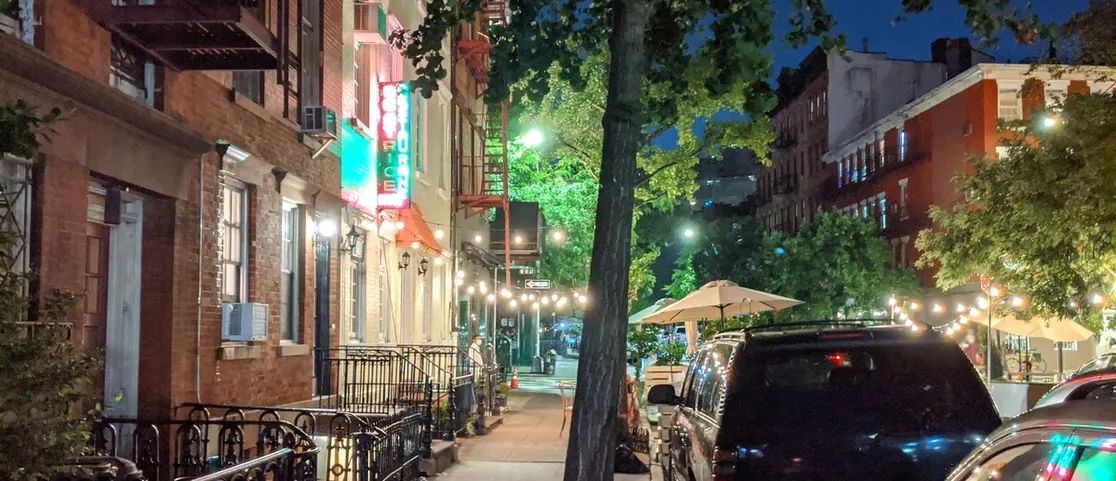
Late-Night Food in Manhattan: Reliable Options by Area
A practical local guide to late-night dining in Manhattan. Discover verified post-11 PM food options across Koreatown, Chinatown, Hell’s Kitchen, and the Lower East Side.
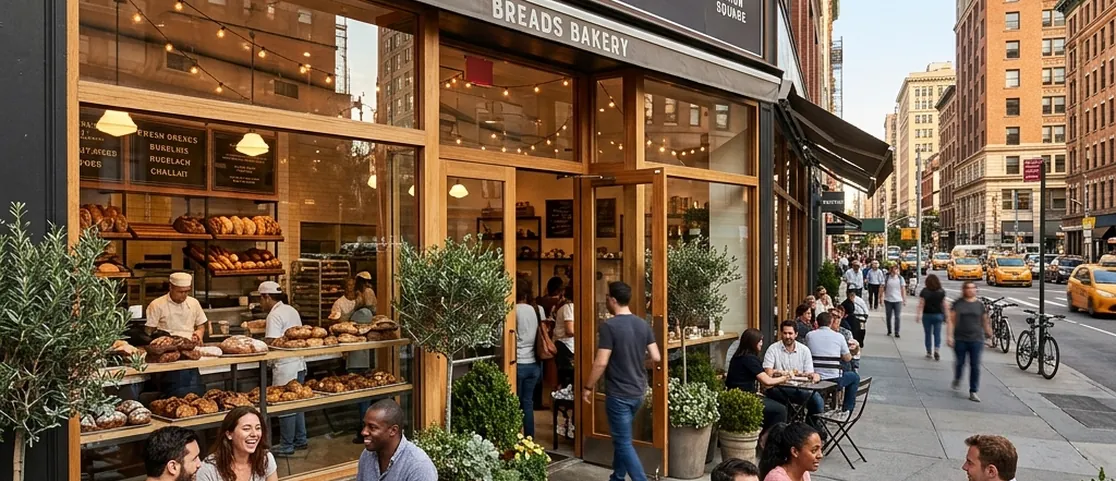
Breads Bakery in Union Square: What It Is Best For
An editoryal evaluation of Breads Bakery near Union Square. Discover top order choices, queue timing, indoor seating constraints, and park picnic alternatives.
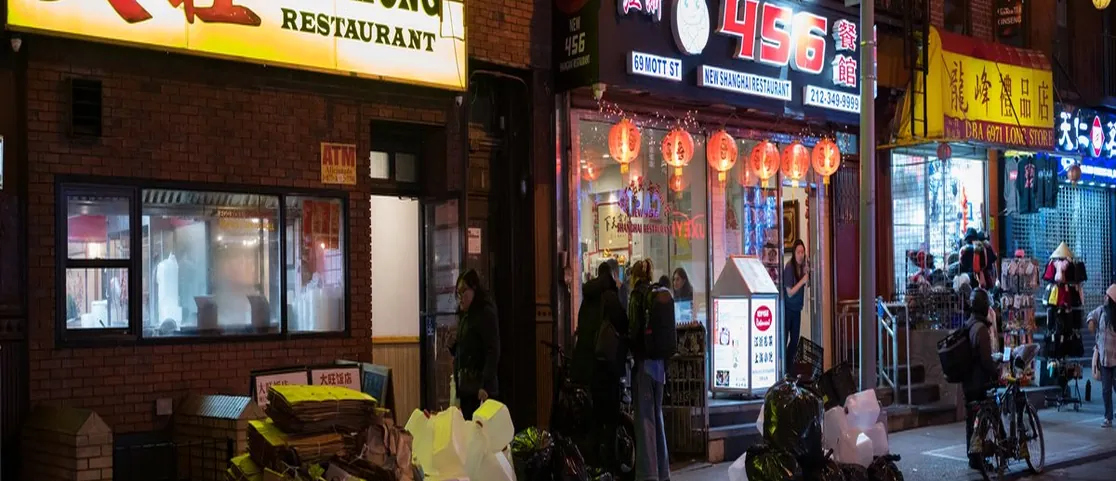
Affordable Eats in Lower Manhattan: Good Value Without a Tourist Trap
A practical local guide to finding authentic, filling meals under $15 in Lower Manhattan. Discover hand-pulled noodles, pork dumplings, roast meat rice, and heritage pizza.
Our recommendations are handpicked independently. No paid placement, no sponsored rankings. How we choose