
The East Village for a First Afternoon
Use the East Village for a first afternoon of walkable food and street life—one spine, one meal anchor, Tompkins as a timed pause—not a scavenger hunt or nightlife crawl.

⚡ At a Glance Overview
Why We Chose This
Visitors treat the East Village like a restaurant scavenger hunt and lose the afternoon to St. Mark’s queues. This neighborhood guide fixes one spine, one meal, and a stop time—without pretending every avenue must be walked.
Editorial Notes & Caveats
Weekend afternoons on St. Mark’s Place and near Tompkins Square can be shoulder-to-shoulder; strollers move but patience is required. Avenue A and side streets can feel quieter than the main drag—do not assume the whole neighborhood matches one block’s energy. NoHo north of Houston is a boundary, not the same afternoon plan. This article is not a bar or club guide.
The East Village fits a first Manhattan afternoon when you want walkable food and street life without turning downtown into a scavenger hunt. It is not the right pick when you need stroller-quiet residential lanes, a single famous landmark, or a slow Village brownstone fantasy—that is west of Seventh Avenue. The useful question is whether you will enjoy a dense, slightly gritty grid for three to four hours with one meal anchor and a clear exit time.
Judgment first: choose the East Village if you are already downtown or in Union Square and want energy—lunch counters, bookshops, park benches, and the odd vintage storefront—without crossing to Midtown. Skip it as a default “we must do the Village” checkbox if your hotel is uptown and the subway ride eats half the afternoon; batch it with a Lower Manhattan or Chelsea day instead of making it a standalone expedition.
This is a half-day shape, not a nightlife map. Bar rows and late-kitchen crawls belong in late-night food guides; here the stop time is usually before dark unless you deliberately extend.
Who the East Village afternoon fits
Fits walkers who like browsing without a ticketed anchor—students of street texture, casual eaters, and visitors who already saw Midtown and want downtown pace. Fits solo travelers who are comfortable eating at a counter via solo-dining formats. Fits pairs who want a low-structure afternoon with one sit-down or counter meal, not a reservation marathon.
Fits poorly for toddlers who need wide paths—weekend sidewalks narrow fast. Fits poorly for visitors who want one iconic photo and leave; the payoff is accumulation, not a single marquee. Fits poorly when you are exhausted from an uptown museum morning and need a bench-heavy recovery day elsewhere.
Street logic: one spine, not avenue zigzags
The failure mode is treating every east-west street as mandatory. The grid rewards one north–south spine with short cross-street hops—not a pattern of “Avenue A, then B, then C” because they looked close on the map.
A workable spine runs from Union Square’s east edge or Astor Place north along Third Avenue or Second Avenue, then east toward St. Mark’s Place and Tompkins Square Park when you want the classic storefront strip. Tompkins offers benches, dog paths, and a reset from retail noise—use it as a timed pause, not an unbounded hang.
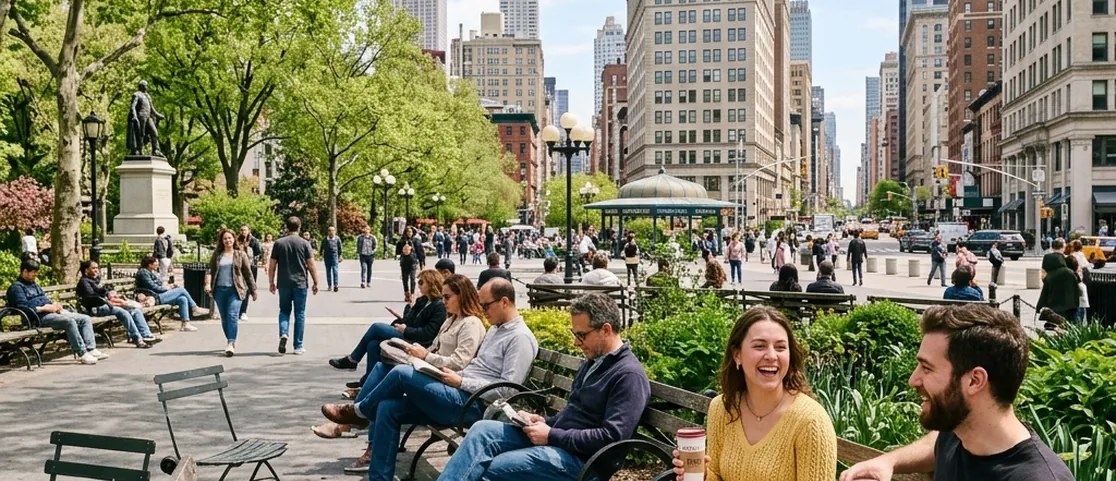
West of the spine, streets get quieter toward NoHo and the West Village border; east toward Avenue A and the Bowery edge, blocks feel grittier and more bar-forward at night. For a first afternoon, stay mostly between Avenue A and Third unless you are deliberately pushing into Lower East Side territory.
St. Mark’s Place (8th Street east of Third) is the familiar postcard row—vintage shops, quick eats, foot traffic. It is also where weekend density peaks. Walk it once, pick food if that is your meal anchor, then leave the strip instead of looping back three times because the block looked lively.
Boundaries: NoHo, Union Square, and the LES edge
Union Square south is a different rhythm—farmers market energy, commuter flow, and Breads Bakery lines. You can start an East Village afternoon from the 14th Street subway hubs and walk east, but do not spend ninety minutes in the square if the goal was east-side streets.
NoHo north of Houston shares architecture with SoHo marketing but is not this loop—gallery rows and Nolita spill belong to other plans. Name Houston Street as your northern soft cap unless you have a specific reason to cross.
East of Avenue A and south toward Delancey, you are edging into Lower East Side geography. The Lower East Side checklist-skipping guide covers east-side loops when your afternoon drifts past the Bowery; affordable eats in Lower Manhattan covers value lunch patterns on the LES side when budget is the constraint—not loop geography.
Food without a twenty-stop list
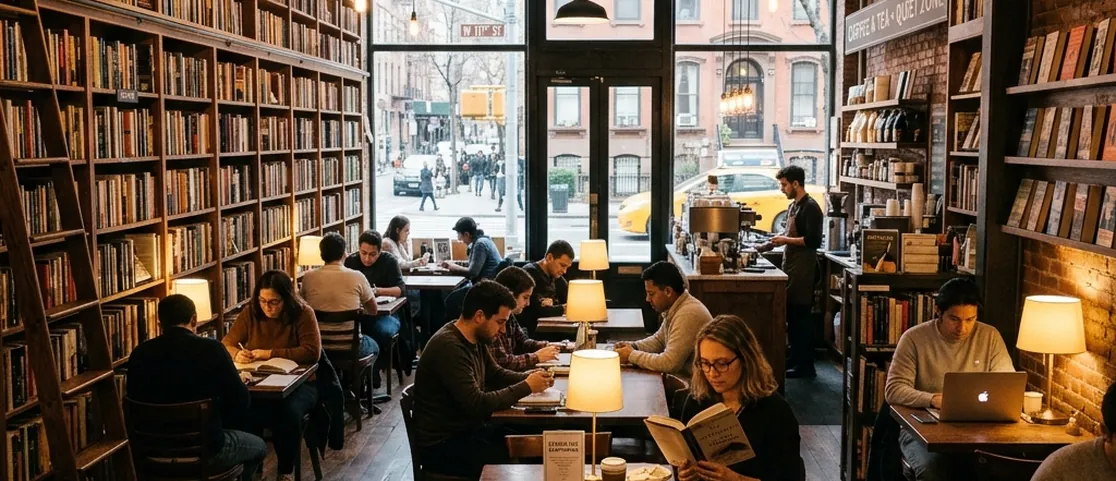
East Village eating works best when you pick one format before you walk: counter slice or falafel, sit-down ramen or bistro, or coffee-and-pastry with a park bench finish. The neighborhood punishes “let’s see what smells good” on Saturdays—you will queue twice and eat mediocre food out of hunger.
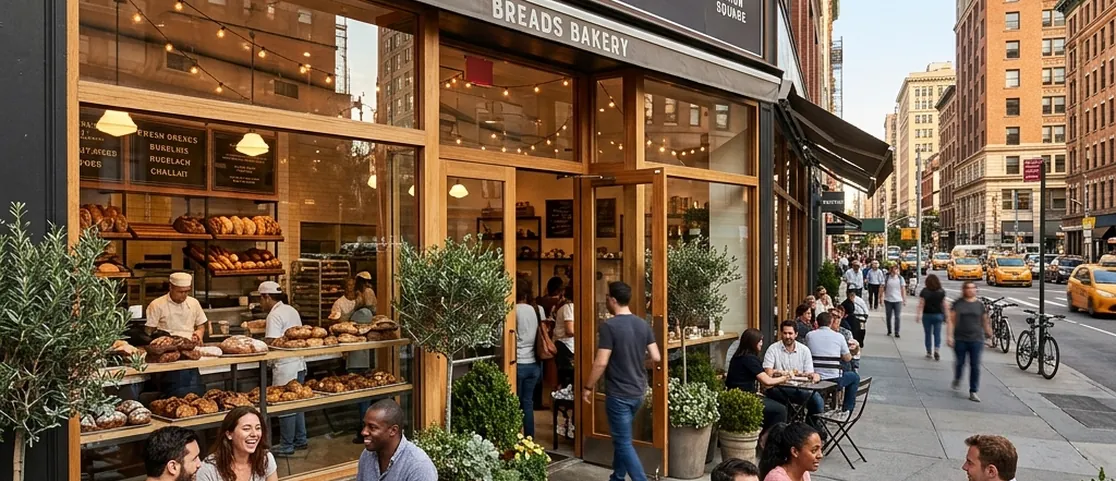
Counter formats suit solo walkers and short afternoons—a slice, a rice plate, or a bakery counter you can see from the street. Sit-down rooms suit when you want forty-five quiet minutes off the sidewalk; book or arrive off-peak on weekends. Coffee-and-pastry suits when the meal is really a walking snack before Tompkins or on the way back to the subway.
Do not chase every famous name in one afternoon. One meal anchor plus one optional treat stop is enough; the street life is the other half of the experience. Solo diners should bias toward counters and bars with stool seating—the eat-alone guide names formats that reduce awkward table service when you are alone.
Late-night kitchens matter only if you extend past 10:00 PM; the late-night food guide groups east-side options by cluster when the afternoon becomes an evening. For a true afternoon plan, decide your stop time before you order the second coffee.
When the West Village is kinder
Choose the West Village slow afternoon when you want residential scale, pastry walks, and courtyard pace without St. Mark’s density. West Village blocks reward wrong-turn wandering; East Village blocks reward a spine with intentional east hops. If your group melts in crowds, west is usually calmer on weekend afternoons.
Joe’s Pizza on Carmine is a Village stop, not an East Village one—do not detour west for a slice unless the afternoon already shifted neighborhoods. Pizza-as-route decisions belong in the first-time pizza guide when you are optimizing one borough trophy.
When the Lower East Side is kinder
Choose deeper east when you want tenement history, dim sum corridors, and less souvenir-shop texture—or when East Village foot traffic already felt full. The Lower East Side checklist-skipping guide owns that loop; pair days, not neighborhoods in one afternoon.
Affordable FiDi and Chinatown value lunches sit south and east—useful when budget is the constraint and you are already near 14th Street, but that is a different food geography than a Tompkins bench afternoon.
Weekend density and stop times
Saturday 2:00–5:00 PM on St. Mark’s and around Tompkins Square is the highest friction window—groups stopping for photos, brunch stragglers, and street vendors compress sidewalks. Weekday afternoons are softer; Sunday late morning stacks market and brunch crowds.
Set a stop time before you sit in the park—four hours downtown plus subway already fills a travel day. East Village afternoons go wrong when they become “we’ll leave when we’re tired” at 7:00 PM and dinner was never planned.
Rain pushes you into bookshops, cafes, and short museum-adjacent interiors—not a bar crawl. Carry a subway fallback if storms hit; cabs from east-side streets at peak hour are slower than walking back to 14th Street lines.
A first-afternoon mini-plan
- Subway to 14th Street–Union Square or Astor Place; walk east, not into a long Union Square camp unless market day is the goal.
- Pick one spine: Third Avenue north, then east on 9th or 10th Street toward Tompkins Square.
- Pause at Tompkins Square benches—timed reset, not an open-ended sit.
- One meal anchor: counter lunch on St. Mark’s or a sit-down room off the main drag on a quieter block.
- Optional treat stop only if line length is sane—otherwise skip.
- Walk back west toward Astor Place or 14th Street subway; end by 4:30–5:30 PM unless you planned evening extension.
That loop is deliberately short. Adding Avenue A, St. Mark’s twice, and a distant bakery because a listicle named twelve stops is how afternoons become queues.
Who should skip this afternoon
Skip when your trip already has a West Village half-day the same week—pick one Village energy, not both. Skip when you need wheelchair-wide continuous paths without curb friction. Skip when you are hotel’d uptown with only ninety minutes free—the subway there-and-back consumes the experience.
Skip when nightlife is the real goal; bar density here is evening product. Read late-night food clusters if you are planning after 10:00 PM, not this afternoon route.
The East Village afternoon works when you name one spine, one meal, one park pause, and a stop time—then walk until the clock wins, not until every storefront blurs together.
Before you turn Washington Square into a full Village evening, use the Washington Square first-evening guide when Washington Square is the anchor; keep this guide for St. Mark’s/Tompkins street-and-food energy.
Suggested Route & Mini Plan
- Subway to 14th Street–Union Square or Astor Place.
- Walk east on one spine—Third Avenue north, then toward Tompkins.
- Timed pause at Tompkins Square—not an open-ended park sit.
- One meal anchor: counter on St. Mark’s or quieter sit-down block.
- Walk west back to 14th Street lines; end by late afternoon.
Curated Alternatives
West Village slow afternoon
Residential brownstones, courtyard pace, and pastry-first walks fit the West Village slow afternoon guide better when your goal is quiet wandering—not street-energy density.
Lower East Side when you want deeper east blocks
When you want deeper east-side food blocks and less St. Mark’s foot traffic, the Lower East Side checklist-skipping plan trades landmark collecting for a different loop—often better on a second downtown day.
Union Square pastry-and-park stop instead
Union Square farmers market and Breads Bakery counters anchor a different food rhythm—useful if East Village noise already feels high and you only need one pastry stop on the grid.
Frequently Asked Questions
Is the East Village good for a first Manhattan afternoon?
Usually yes if you are downtown with three to four hours, like street energy, and can pick one meal format before you walk. Skip if you want quiet residential lanes—the West Village slow afternoon is calmer.
How should I walk the East Village without backtracking?
Walk one north–south spine (Third or Second Avenue), hop east to St. Mark’s and Tompkins Square once, then west back to 14th Street subway. Avoid zigzagging every avenue because the map looked compact.
How do I choose food without visiting twenty places?
Pick one format upfront: counter lunch, sit-down room, or coffee-and-pastry with a park bench. One meal anchor plus one optional treat is enough; weekend St. Mark’s queues punish multi-stop grazing.
When is the West Village or Lower East Side better?
West Village for slower residential pace and pastry walks. Lower East Side when you want deeper east-side food blocks with less souvenir-shop texture—often better as a second downtown day.
What are the worst times for crowds?
Saturday mid-afternoon on St. Mark’s and near Tompkins Square is the densest window. Weekday 1:00–5:00 PM is softer. This route is not designed for after-10:00 PM bar crowds.
Our recommendations are handpicked independently. No paid placement, no sponsored rankings. How we choose