
Neighborhood hub
Tribeca If You Want Quiet and Can Pay for It
Tribeca trades retail crowds and landmark checklists for cobblestone calm, loft architecture, and chef-driven dining—at prices that assume you chose the pace on purpose. This hub helps you decide whether that trade fits your trip and which WhyManhattan plans to run instead of treating downtown as one blur.
Reader question: Is Tribeca’s quiet, premium downtown pace worth my time and budget?
Who it fits
Travelers who want acoustic relief after Midtown or SoHo, couples and solo walkers who enjoy architecture without shopping density, and visitors who can afford sit-down bistro pricing without treating every meal as a bargain hunt. Tribeca suits weekend mornings, unhurried waterfront afternoons, and hotel stays where lobby calm matters more than subway hub count.
Who should pick another area
Skip Tribeca as a default if you need landmark density on a tight schedule, want late-night bar hopping, or are optimizing for the cheapest downtown eats. Pick Lower Manhattan for harbor history and civic sights, SoHo if cast-iron retail energy is the real goal, or Chinatown and the Lower East Side when value and louder streets fit better.
Thinking about staying in Tribeca?
Use the where-to-stay chooser to compare this neighborhood with other Manhattan bases using your trip anchor, noise tolerance, budget, kids, transport priority, and trip length. Then use How to Choose Where to Stay in Manhattan to check the exact hotel door, final payable room total, cancellation terms, and the route you will repeat most.
How much time is realistic
A quiet half day to full day (four to six hours) is the honest window: one architectural loop, one reservation-worthy meal or café stop, and a Hudson River Park segment at Pier 25 or Pier 26. Tribeca fails when you try to “do downtown” and Tribeca in the same rushed afternoon without naming which energy you want.
Tribeca—Triangle Below Canal—sits between SoHo’s retail weekends and the Financial District’s weekday canyon rhythm. Visitors often lump all three as “downtown” and then wonder why their afternoon felt either too loud or too empty. The neighborhood earns its reputation when you arrive wanting quiet streets, preserved loft facades, and one excellent meal—not when you are collecting Statue of Liberty views and shopping bags in the same breath.
What Tribeca is actually good at
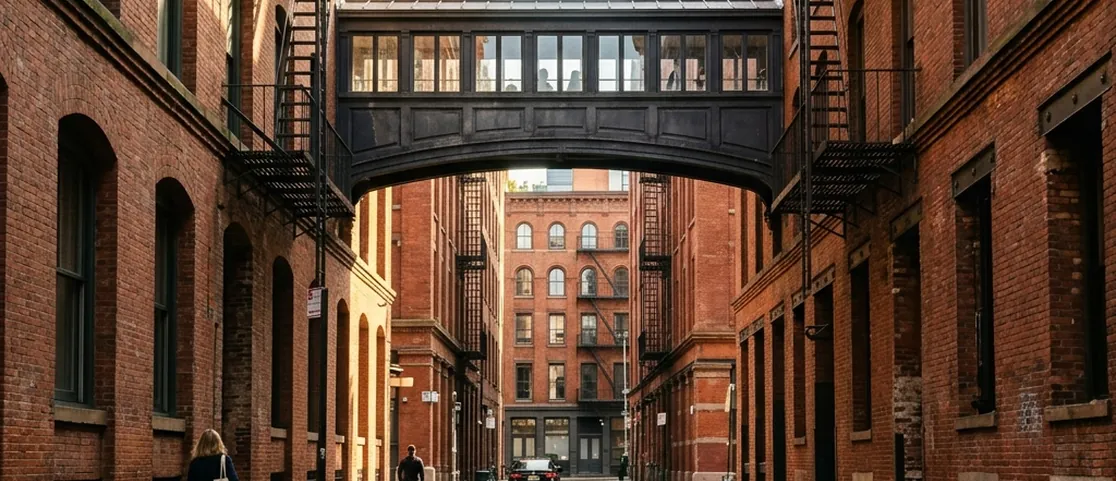
The durable strength is residential scale at luxury price points. Wide cobblestone lanes, 19th-century store-and-loft masonry, and Federal rowhouses on Harrison Street give you architecture you can read on foot without admission tickets. Staple Street’s skybridge is a famous photo corner—but the broader point is that Tribeca rewards slow looking, not a single Instagram stop bolted onto a FiDi sprint.
Food here is chef-forward and reservation-aware. Bistros like Frenchette and Locanda Verde reflect the neighborhood’s understated luxury: polished rooms, serious wine lists, and prices that match the audience. That is different from grabbing a quick slice or dumpling loop—Tribeca assumes you planned to sit down.
Hudson River Park along Tribeca’s western edge adds waterfront boards without the tourist funnel of South Street Seaport. Pier 25’s mini golf and play areas, Pier 26’s science playground, and sunset walks on the timber deck give families and couples an outdoor reset that still feels local—not a ticketed attraction.
When quiet is worth the premium
Tribeca makes sense when noise and crowd density are the problem you are solving. After a Midtown museum morning or a SoHo shopping overload, Tribeca’s acoustic calm can feel like relief. It also works as a hotel base if you want design-forward boutique lobbies and cobblestone walks outside the door—provided you accept the bill.
- Worth it: you want one unhurried downtown day without a landmark checklist.
- Worth it: you are staying nearby and need a walkable dinner neighborhood that does not require a taxi.
- Worth it: you pair architecture with one reservation meal and a Hudson sunset finish.
- Shrink the plan: you only have three hours before a timed harbor ferry and have not seen Lower Manhattan yet.
- Shrink the plan: your group wants nightlife after midnight—Tribeca streets empty earlier than the LES.
Weekends are quieter than SoHo’s retail crush but busier at brunch reservations. Weekday lunches can be easier to walk in if you accept off-peak timing. Summer heat on cobblestone reflects upward; winter rewards shorter loops with indoor spa or bathhouse anchors if that is already on your list.
How to structure a Tribeca day
The failure mode is treating Tribeca as a shopping district or a FiDi appendix. A better frame is architecture loop, one food anchor, waterfront exit—then stop before you “also” do every downtown name on the map.
1. Walk the loft grid first
Start with a defined cobblestone spine—Harrison Street’s Federal rowhouses, North Moore’s loft scale, or a Staple Street pass-by if the light is good. Commit to thirty minutes of looking without a store goal. Tribeca’s cast-iron and brick vocabulary is the content; you do not need a museum ticket to justify the walk.
2. Book one meal you actually want
If Tribeca dining is in the plan, reserve before you walk. Our quiet-weekend guide sequences bistro stops with realistic price bands and reservation culture. Trying to “find something good” hungry on a Saturday night often means either overspending by default or leaving disappointed.
3. Finish west at the river
Descend to Hudson River Park when legs still have energy. One pier segment—not the entire greenway—is enough. Golden hour on the boardwalk pairs naturally with Tribeca’s calm; do not backtrack east for shopping you did not plan.
Lower Manhattan is a different downtown energy
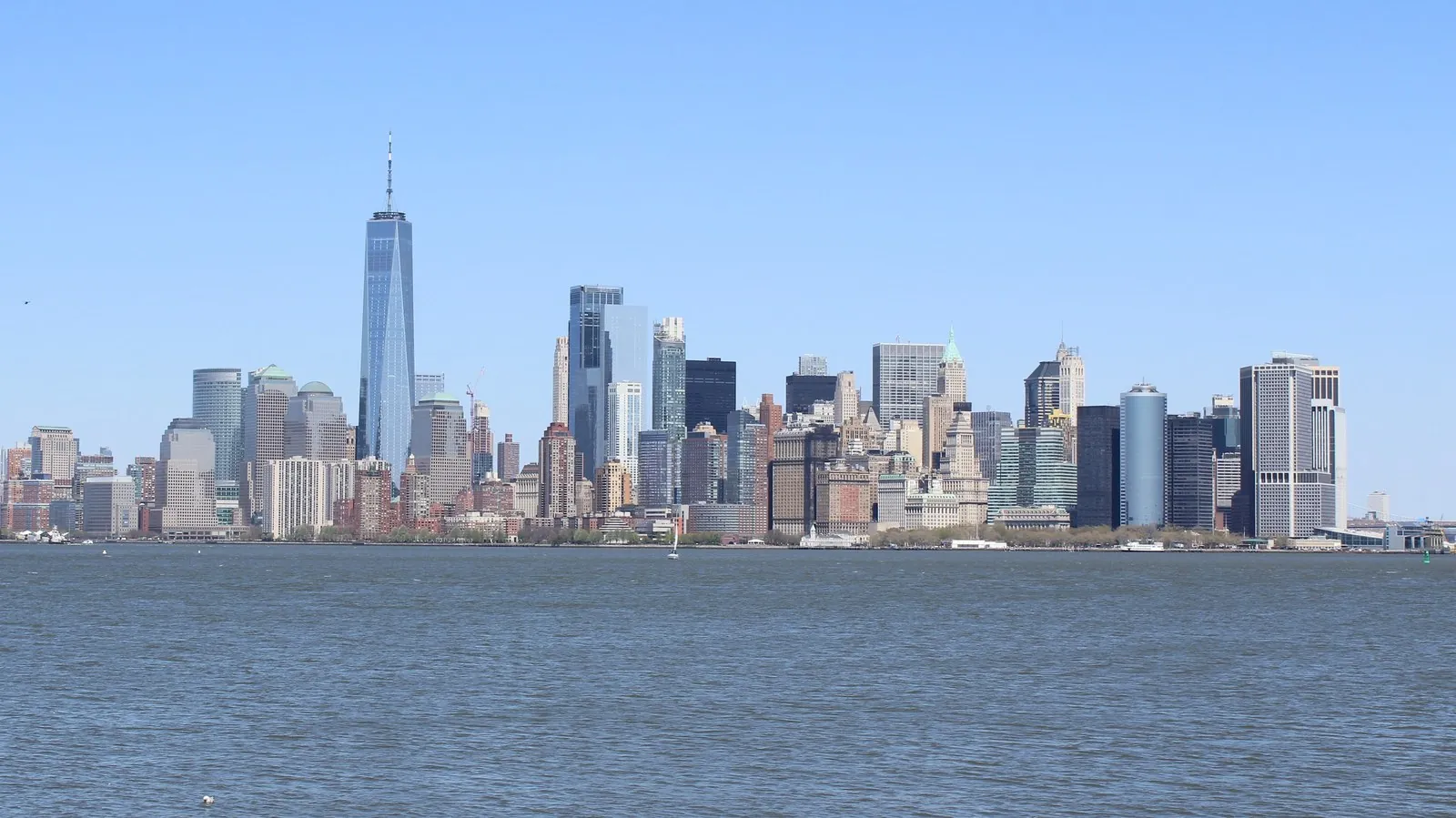
If your trip anchor is One World Observatory, Wall Street history, or a harbor ferry, Lower Manhattan is the primary plan—not Tribeca. Our one-day downtown itinerary runs that civic and waterfront spine with different pacing: more landmarks, more vertical sights, more crowd management.
Tribeca and Lower Manhattan can sit in one trip only when each half has its own time box. A common mistake is Statue views in the morning, then “quick Tribeca lunch” without a reservation, then frustration when the neighborhood feels expensive and empty. Pick one energy per half day.
Compared with SoHo and the Financial District
SoHo brings cast-iron retail density and weekend shoulder traffic. Tribeca trades shopping volume for residential quiet—you come here when you do not want to browse every storefront. The Financial District empties evenings and weekends into corporate quiet of a different kind: canyon shadows and landmark gravity, not loft cafés.
Affordable downtown eating lives elsewhere. If price is the constraint, walk toward Chinatown or read our Lower Manhattan value eats piece rather than forcing Tribeca to behave like a budget neighborhood. Paying Tribeca prices without wanting the calm is the usual disappointment.
What to read next on WhyManhattan
Run the Tribeca quiet-weekend guide for the executable loop—architecture stops, dining expectations, and Pier 25 timing. Open the Lower Manhattan one-day plan when harbor sights and civic landmarks are the real goal; use this hub only to decide whether Tribeca’s pace belongs in the same trip at all.
The decision in one line
Choose Tribeca when quiet cobblestone walks, one reservation meal, and a Hudson finish sound like relief—and your budget accepts downtown premiums. Skip it when you need landmark density on a clock, late-night bar energy, or the cheapest eats Manhattan offers below Canal Street.
What this hub will not do
This hub is not a celebrity address tour, a ranking of every Tribeca tasting menu, or a substitute for the hour-by-hour Lower Manhattan itinerary. We do not pretend Tribeca is budget-friendly or that cobblestones alone justify a detour from sights you already booked elsewhere.
Practical caveats
Cobblestone and curb cuts vary—wheels and strollers need patience on Harrison Street and side lanes. Many restaurants expect reservations on weekends; walk-in luck is thinner than in the East Village. Streets quiet sharply after 10 PM compared with SoHo or the LES. Subway access works (1 at Franklin or Chambers, A/C/E at Canal, 2/3 at Park Place) but is not as dense as Midtown—plan one anchor stop before you wander. Dining and coffee carry a noticeable premium over average Manhattan rates.
Tribeca for a Quiet Weekend: A Low-Key Manhattan Guide
A practical local guide to experiencing Tribeca on a quiet weekend. Discover historic cobblestone alleys, 19th-century cast-iron lofts, understated French bistros, and serene Hudson River Park promenades.
Lower Manhattan in One Day: A Practical Downtown Itinerary
A practical one-day Lower Manhattan itinerary: Battery Park, Wall Street, 9/11 Memorial, Brooklyn Bridge, and Chinatown with realistic timing and route advice.
Our recommendations are handpicked independently. No paid placement, no sponsored rankings. How we choose