
Tribeca for a Quiet Weekend: A Low-Key Manhattan Guide
A practical local guide to experiencing Tribeca on a quiet weekend. Discover historic cobblestone alleys, 19th-century cast-iron lofts, understated French bistros, and serene Hudson River Park promenades.

⚡ At a Glance Overview
Why We Chose This
Tribeca is valuable precisely because it does not force a constant sequence of attractions. The repair explains who benefits from that quiet, how to connect the historic core with the waterfront, and why the neighborhood should not be sold as a cheaper or livelier SoHo substitute.
Editorial Notes & Caveats
Restaurant reservations, storefronts, and event-driven street conditions change. Plan the neighborhood around its street pattern, waterfront, and pace; verify any single destination that would materially change the day before you travel.
Just south of Canal Street lies Tribeca—the acronym for "Triangle Below Canal Street"—one of Manhattan’s most picturesque yet understated neighborhoods.
While neighboring SoHo bursts with shoulder-to-shoulder weekend shoppers and the Financial District empties into corporate canyons, Tribeca maintains a surprisingly serene, residential atmosphere. Its wide cobblestone streets, towering 19th-century industrial lofts, and waterfront park access make it ideal for an unhurried weekend.
To experience the best of Tribeca without rushing through a checklist, structure your day around its distinct architectural, culinary, and waterfront highlights.
1. Architectural Landmarks & Historic Cobblestones
Tribeca contains some of the best-preserved industrial cast-iron and brick store-and-loft architecture in New York City.
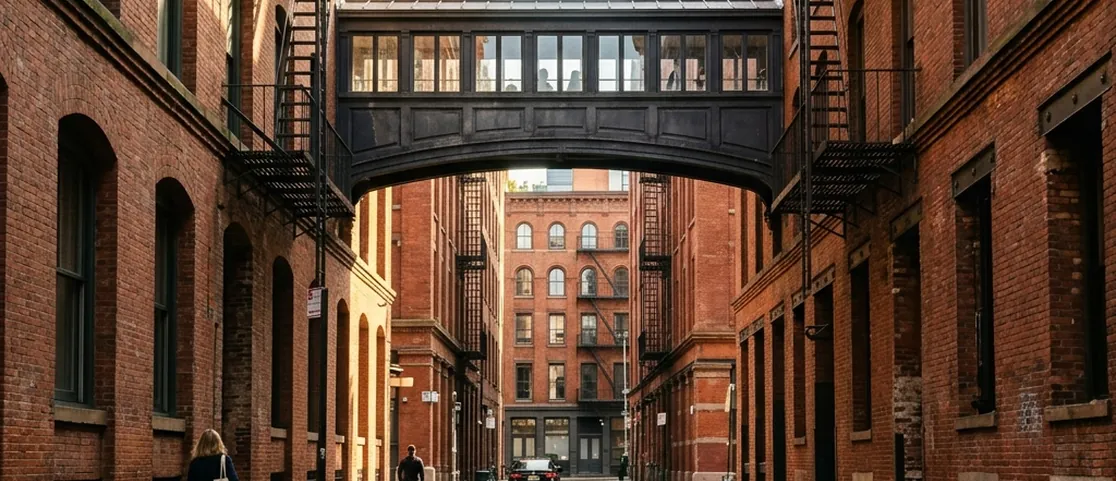
Begin your walk at **Staple Street**, a narrow cobblestone alley between Jay and Harrison Streets. Here, a charming 1907 cast-iron skybridge suspended high overhead connects two historic brick buildings, creating one of Manhattan’s most iconic architectural vistas.
Just steps away along **Harrison Street**, discover a enclave of preserved 1790s Federal-style townhouses. Relocated here in the 1970s during urban renewal, these historic homes offer a rare glimpse into Manhattan’s pre-industrial past.
2. Understated Culinary Anchors
Tribeca’s dining scene reflects its low-key luxury identity: sophisticated, chef-driven, and free from flashy gimmicks.
For lunch or dinner, **Frenchette** (241 West Broadway) is a landmark. Chefs Riad Nasr and Lee Hanson deliver refined French bistro fare—such as duck frites, soft brouillade eggs, and natural wines—in a warm room lined with vintage leather booths.
Other neighborhood anchors include **Locanda Verde** (inside Robert De Niro’s Greenwich Hotel) for casual Italian pasta, and **Bubby’s** (120 Hudson St) for classic comfort food, sour cherry pie, and legendary sourdough pancakes.
3. Subterranean Relaxation: Thermal Baths
For deep physical relaxation away from city noise, visit **Aire Ancient Baths** (88 Franklin Street).
Set inside a restored 1883 textile warehouse cellar, Aire features a series of candlelit thermal pools ranging from ice-cold plunges to warm saltwater flotation baths. Exposed brick vaults and stone pillars create an atmosphere of quiet serenity.
4. Waterfront Promenades: Pier 25 & Pier 26
Tribeca borders the southern stretch of **Hudson River Park**, providing expansive waterfront green space.
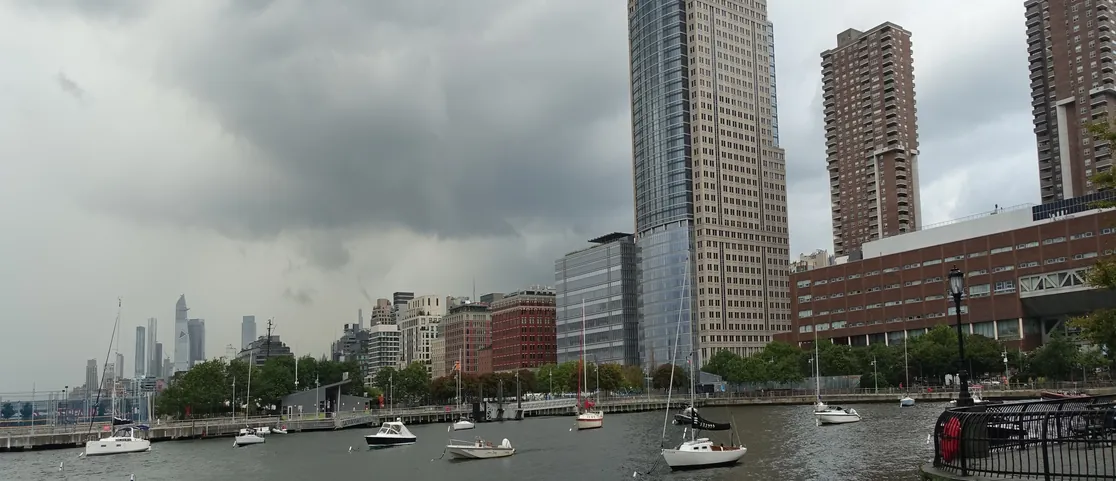
**Pier 26** features elevated boardwalks, a native ecological salt marsh, and comfortable wooden lounge chairs facing the sunset over the Hudson River. Adjacent **Pier 25** offers an 18-hole miniature golf course and historic ship moorings, making it a peaceful outdoor finish to your neighborhood walk.
5. Realistic Expectations & Visiting Tips
To make the most of your visit to Tribeca, keep three practical realities in mind:
**Budget Considerations**: Tribeca is an affluent neighborhood; coffee, dining, and boutique prices carry a 20–30% premium over average NYC rates.
**Quiet Evenings**: Unlike the Lower East Side, Tribeca streets become extremely quiet after 10:00 PM. Plan your evening around a sit-down dinner rather than bar-hopping.
**Best Access Points**: Take the 1, 2, or 3 train to Franklin Street or Chambers Street for immediate step-out access to the heart of the neighborhood.
Tribeca is a pace decision before it is a sightseeing decision
Choose Tribeca when the group wants room to walk, look at architecture, have a long meal, and let the day contain empty space. It is a poor fit for someone asking for a dense sequence of famous first-visit sights. The neighborhood has notable places, but its strongest quality is the absence of constant visual and commercial pressure compared with SoHo or Midtown.
That makes it especially useful after several busy Manhattan days. A traveler who is tired of queues can spend a morning here without feeling that every block contains something they are failing to enter. The tradeoff is obvious: if you need a high volume of attractions to feel satisfied, Tribeca can feel under-programmed rather than calm.
Use two zones: the historic core and the river edge
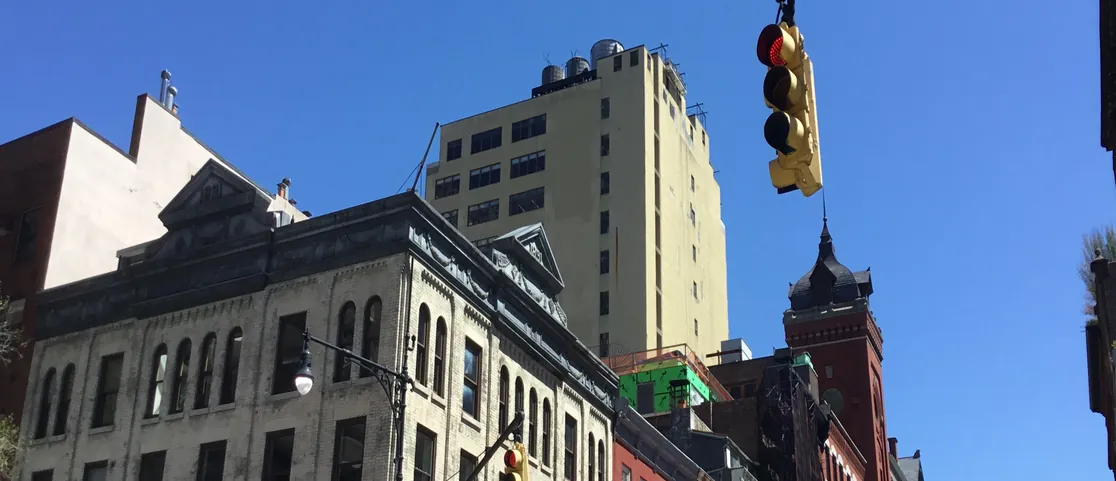
The historic core is where the neighborhood reads most clearly through former industrial buildings, cast-iron details, older street alignments, and quieter side streets. Walk it slowly and resist the urge to turn every photogenic block into a destination. The value is cumulative: a sequence of buildings and intersections rather than one must-see facade.
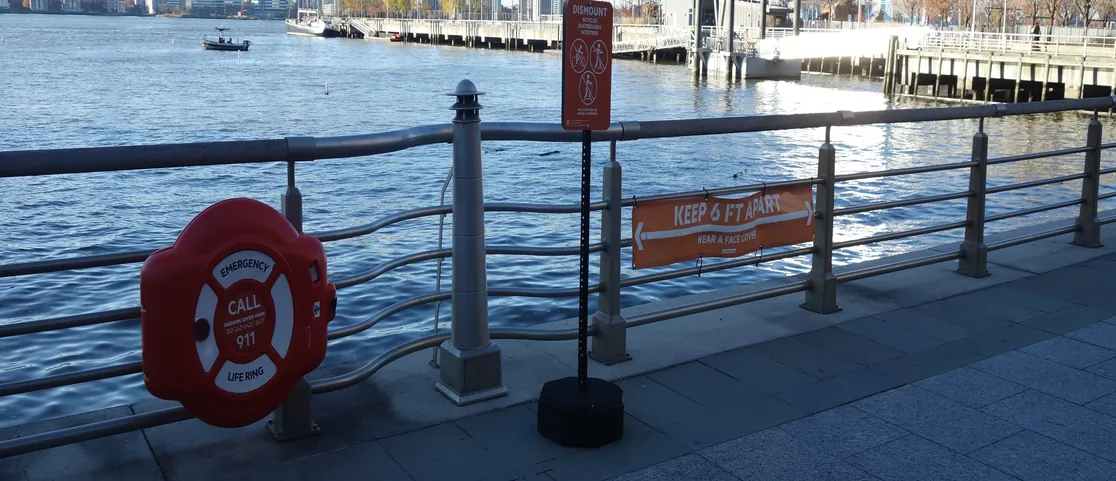
The Hudson River edge is the release valve. Move west when the group wants benches, open sky, a longer sightline, or a simpler family walk. Linking the core to the waterfront gives the visit a shape without requiring a list of businesses. It also creates a natural end point: once the river walk has done its job, you can leave north toward SoHo/Chelsea or south toward Lower Manhattan.
Budget for the neighborhood you chose
Tribeca is not the place to build an aggressively cheap day around spontaneous sit-down dining. The neighborhood’s lower commercial density means the convenient option may also be an expensive one. If budget matters, decide the meal before you arrive or plan to continue toward Chinatown, the Lower East Side, or another area where value is a stronger part of the food landscape.
The same principle applies to hotels and drinks. Paying more can make sense when quiet, space, or the location itself is the product you want. It makes less sense when the room is only a place to sleep before spending every day uptown. Do not interpret the higher price as proof that the neighborhood is “better.” It is simply a different trade.
Keep SoHo and Lower Manhattan separate unless the route is obvious
SoHo is close enough to tempt visitors into combining the two automatically. The problem is that the mood changes quickly: retail crowds and denser sidewalks can erase the reason you chose Tribeca. If shopping or SoHo architecture is a primary goal, give it a defined block of time and cross the boundary intentionally rather than letting the afternoon drift north.
Lower Manhattan creates the opposite problem. Civic landmarks, the memorial area, harbor sights, and the Brooklyn Bridge can fill a day on their own. Tribeca works well as the quieter finish after one or two downtown anchors, but it should not be a lunch break squeezed between five landmarks. The neighborhood needs enough unclaimed time to justify choosing it.
Have a bad-weather and late-evening fallback
Tribeca’s spacious walking appeal weakens in heavy rain, severe heat, or sharp winter wind. On those days, anchor the visit around one confirmed indoor stop and a meal, then use only the most direct outdoor segment. Do not keep the same walking mileage simply because the route looked elegant when you planned it.
Late evening also changes the neighborhood. If the group wants dense nightlife, live music choices, or a street that keeps offering spontaneous stops, move to an area designed for that energy. A quiet return to the hotel or a reserved dinner can be an advantage here; expecting the streets to transform into the East Village after 11 p.m. is the wrong use of the neighborhood.
Suggested Route & Mini Plan
1. Start your morning with a coffee walk down Jay Street to photograph the Staple Street Skybridge.
2. Wander through the historic 1790s Federal rowhouses along Harrison Street.
3. Enjoy a long, unhurried French bistro lunch at Frenchette on West Broadway.
4. Walk west to Hudson River Park Pier 26 for a sunset lounge along the river boardwalk.
Curated Alternatives
West Village Walkable Half-Day
If you prefer narrow winding residential streets with historic brownstones and vibrant neighborhood cafés over commercial loft architecture.
SoHo Cast-Iron Shopping District
If your priority is high-density retail shopping, designer flagship stores, and energetic street crowds rather than quiet residential streets.
Frequently Asked Questions
What makes Tribeca different from neighboring SoHo?
While SoHo is dominated by intense retail shopping and weekend crowds, Tribeca is primarily a quiet residential loft neighborhood with cobblestone alleys and understated luxury dining.
What is the best spot for photos in Tribeca?
The Staple Street Skybridge (connecting Jay St and Harrison St) is the most iconic architectural photo spot in the neighborhood.
Are reservations required for dining in Tribeca?
Yes. Top restaurants like Frenchette and Locanda Verde require advance reservations, though weekend lunch and early dinner slots are easier to secure.
Our recommendations are handpicked independently. No paid placement, no sponsored rankings. How we choose