
Topic hub
How to Choose Where to Eat in Manhattan
Manhattan meal advice fails when it starts with a ranked restaurant list. This hub helps you match food format to your actual constraint—time, theater curtain, park exit, group size, or solo comfort—before you open a reservation app.
Reader question: How do I pick the right kind of meal for this Manhattan day?
Who it fits
Travelers who already know they will eat in Manhattan but need a decision frame—not a “best of NYC” table. You have a real constraint (show time, park walk, business lunch, morning calm, group of eight) and want to know which WhyManhattan guide to open first.
Who should pick another plan
Skip this hub if you already picked a format and neighborhood—open the specific guide directly. If you want a single named restaurant review without context, use an editorial spotlight piece instead. If your question is transit or hotel geography, start with the first-visit or getting-around hubs.
How much time is realistic
Spend five to fifteen minutes before you book or walk. Name your constraint—curtain, park exit, party size, noise tolerance—then open one guide below. That prep prevents the expensive mistake of choosing a great restaurant at the wrong hour.
Most visitors treat Manhattan dining as a discovery sport: scroll until something looks famous, walk until a line appears, hope the bill matches the mood. That works occasionally and fails predictably when time, geography, or party size were never part of the search.
WhyManhattan’s food frame is constraint-first: what kind of meal does this hour need, and which neighborhood makes that meal walkable? The answer is rarely “the highest-rated place on the block.” It is usually a format—slice, counter, reservation, food hall—that matches how tired, rushed, or social you actually are.
Start with the clock, not the cuisine
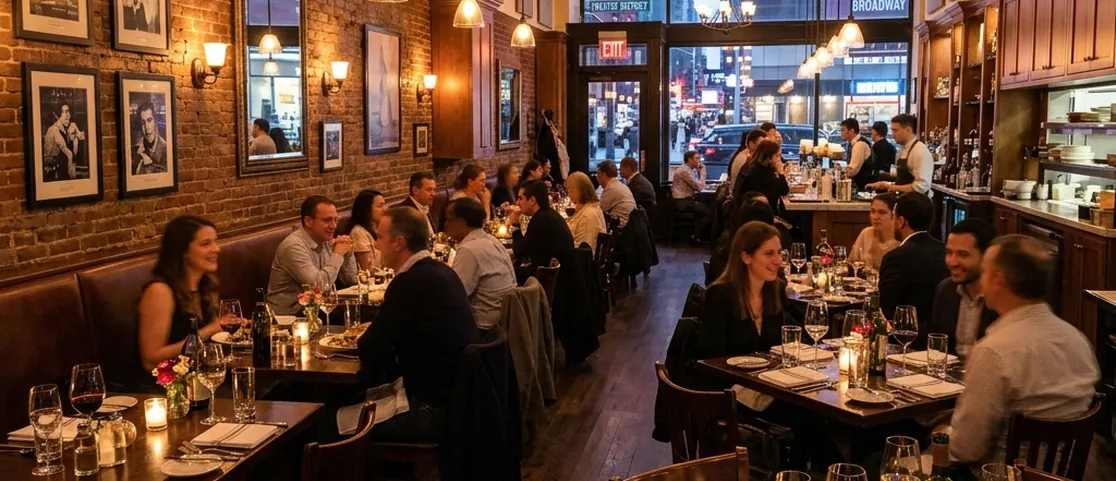
Theater nights split into two different meals. Pre-theater dinner is a reservation problem measured in blocks and curtain time—too far from your seat and the check becomes a sprint. After-show eating is a crowd-release problem: kitchens that absorb a 10:30 p.m. wave without making you wait on an empty stomach. Those are different guides because the failure modes differ.
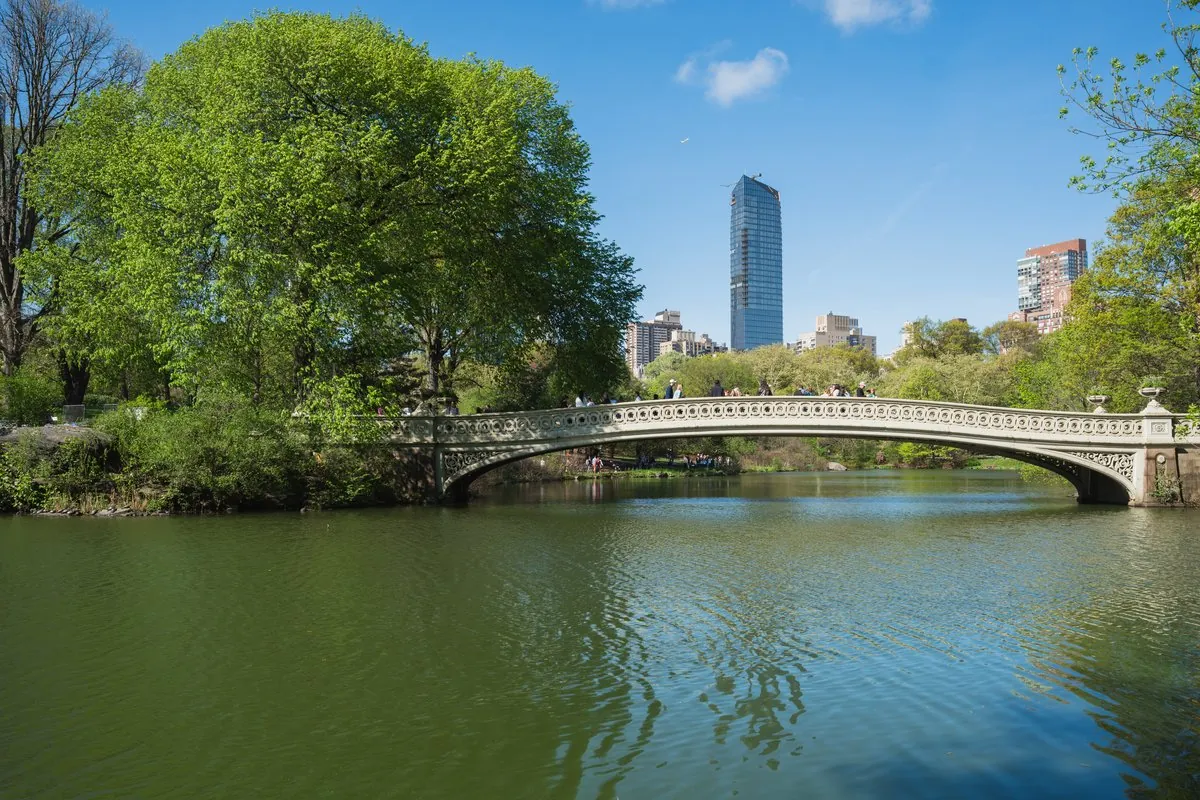
Park days create a different trap. The closest cart or plaza kiosk is rarely the best use of your lunch hour—and “closest” on a map ignores which exit you will actually use. Decide your park exit and budget band first, then choose a meal that fits the walk you will take, not the pin nearest Columbus Circle.
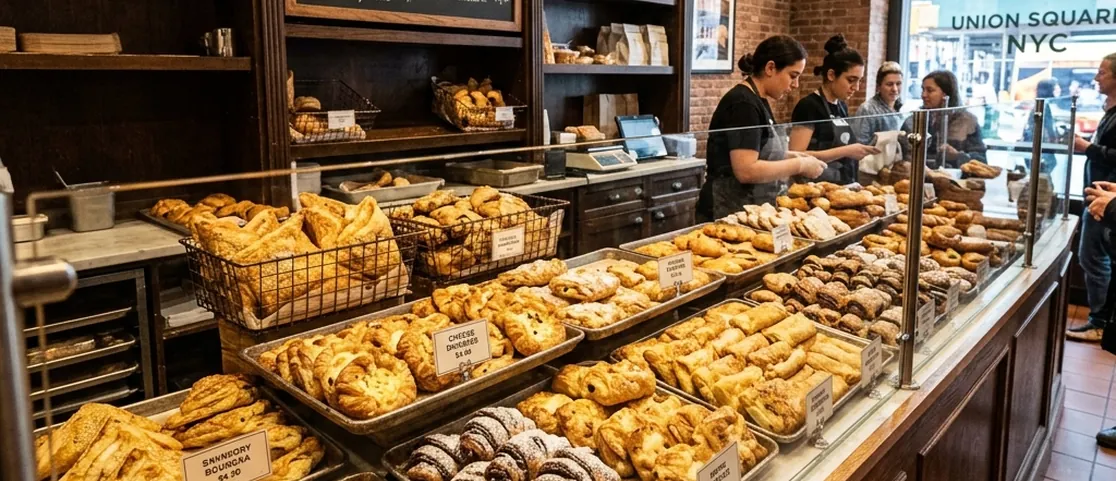
Breakfast and pastry runs reward the opposite instinct: slow routing beats fame-chasing. A calm morning table and a walkable pastry loop are pacing decisions, not rankings. If you need quiet before a meeting or a museum, that constraint comes before neighborhood prestige.
Match format to party size and comfort
Solo dining in Manhattan is mostly a format question. Counters, bars with solo-friendly pacing, and food halls that do not punish one chair work when you want to eat without performing a date night. Full-service rooms can still fit—if you chose them for service style, not because an app defaulted to “table for two.”
Groups fail on logistics, not taste. Six to fourteen people need a payment model, noise ceiling, and booking path before anyone debates cuisine. Dumpling tables, shared-plate rooms, and hall seating each solve different group sizes—pick the format first, then the neighborhood.
- Theater: pre-curtain reservation vs post-curtain walk-in—different guides.
- Park: exit geography and budget before “closest option.”
- Morning: calm service vs walkable pastry—pick pacing first.
- Solo: counter and bar formats vs full table—choose comfort, not fame.
- Group: size, split check, and noise before cuisine debate.
Pizza is a route decision, not a borough trophy
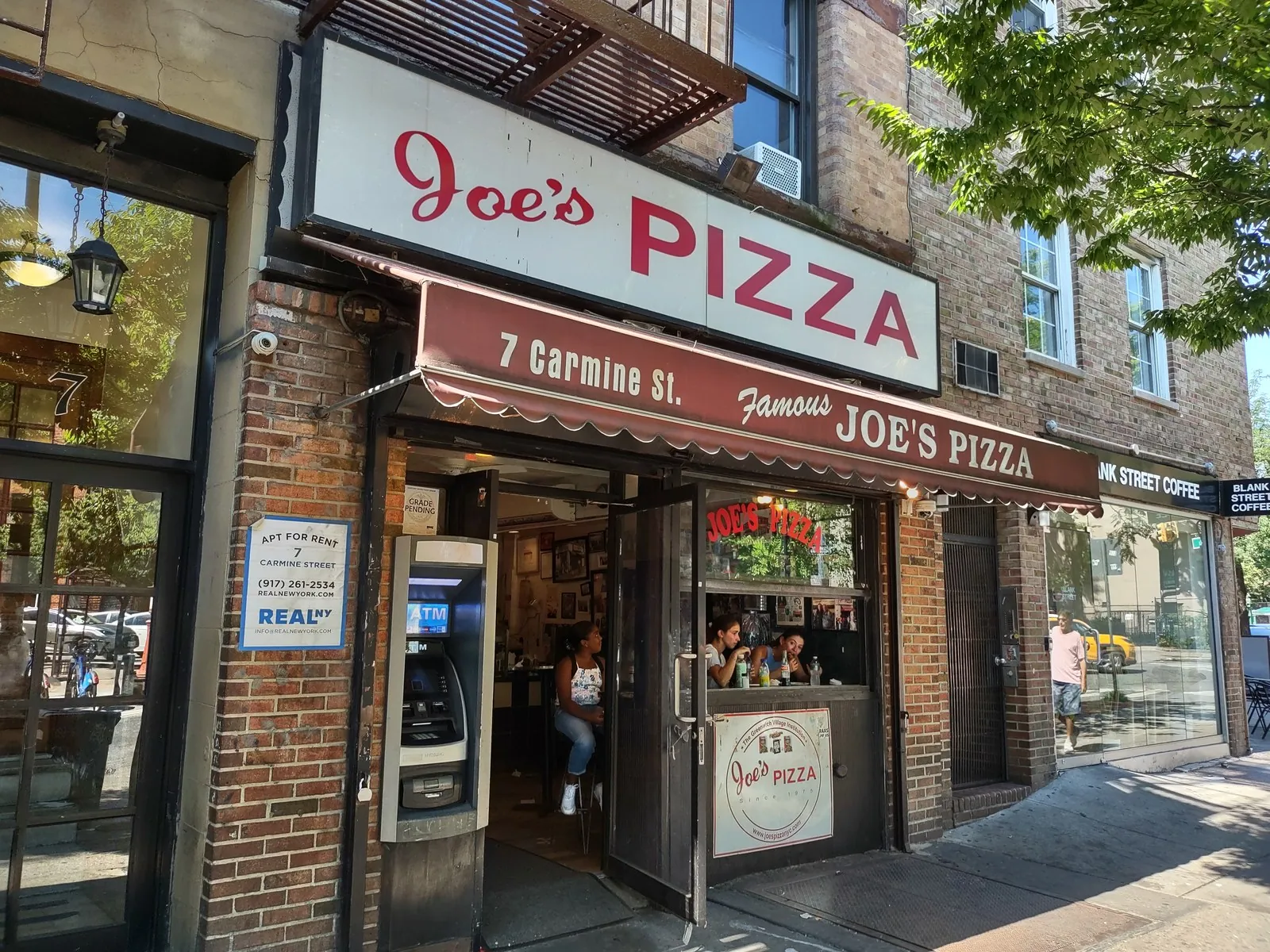
Manhattan pizza advice often collapses into a single famous name. In practice, pizza is where you are on the grid, how long you will stand, whether your group needs a bench, and whether a slice is a meal or a snack before something else. A Carmine Street stop can be perfect on a West Village walk and wrong as a Midtown detour.
Use the pizza guide when you need to choose style, wait, and seating—not when you want a debate about “authentic New York.” Editorial spotlight pieces on named shops answer a narrower question: is this specific line worth your hour on this route?
Neighborhood hubs are not restaurant lists
Harlem, Chelsea, West Village, and other neighborhood hubs mention food as part of a routed day—not as a ranked directory. They assume you already decided to spend time in that geography. If your only question is where to eat near Central Park or after Broadway, stay in the food guides linked below instead of opening a neighborhood hub hoping for a hidden list.
What to read next on WhyManhattan
Open the pizza guide when route and format matter more than a single shop name. Use park-adjacent and theater guides when the clock is fixed. Choose breakfast or West Village pastry pieces when pacing is the goal. Use solo and group guides when party size—not cuisine—is the hard part.
The decision in one line
Name your constraint—time, exit, party size, noise—pick the meal format that fits, then open the one guide written for that constraint. Manhattan rewards explicit tradeoffs more than another “best of” scroll.
What this hub will not do
This hub is not a ranked “best restaurants in NYC” list, a Michelin-style scoreboard, or a scrape of every menu in the borough. We do not treat popularity as proof of fit, and we do not promise one table works for every traveler.
Practical caveats
Hours, wait times, and reservation rules change—verify before you commit. “Near the park” and “near the theater” mean different walks than maps suggest. Group auto-gratuity and minimums are common. Pre-theater and post-show clocks conflict; do not mix the guides.
Manhattan Pizza for First-Time Visitors: How to Choose Your Stop
A practical guide to eating NY pizza for first-time visitors: slice counter etiquette, plain vs. Sicilian vs. coal-fired pies, top spots, and common mistakes.
Where to Eat Near Central Park Without Settling for the Closest Option
Where to eat near Central Park: Avoid overpriced perimeter tourist traps, find top UWS delis, UES bistros, Columbus Circle eats, and Sheep Meadow picnic spots.
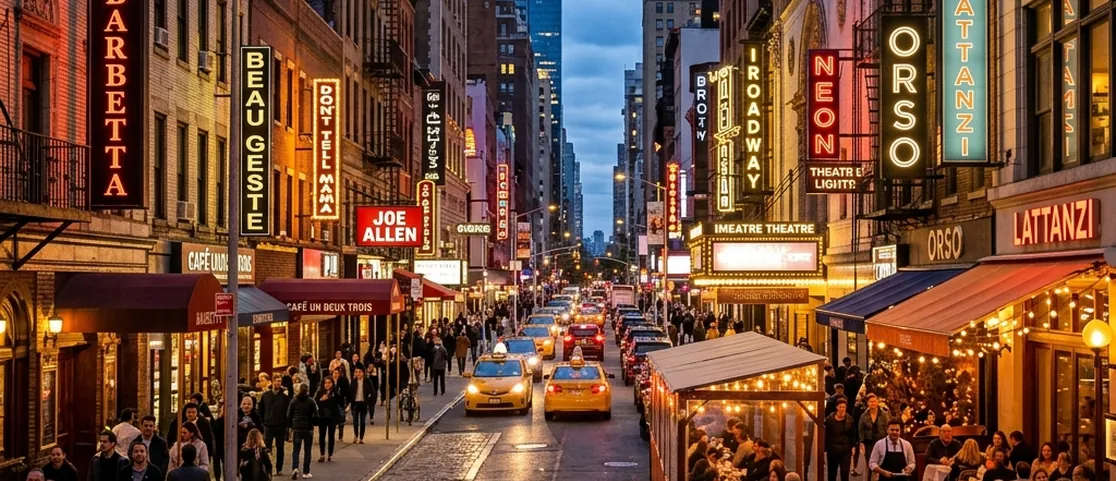
Pre-Theater Dinner in Midtown: Timing, Distance, and Reservations
A practical guide to coordinating pre-theater dining in Midtown Manhattan. Learn how to calculate reservation times, choose the right neighborhood block, and avoid missing curtain.
Where to Eat After a Broadway Show
Where to eat after a Broadway show in Manhattan: Late-night Hell’s Kitchen bistros, Restaurant Row institutions, K-BBQ, ramen counters, and iconic cheesecake slices.
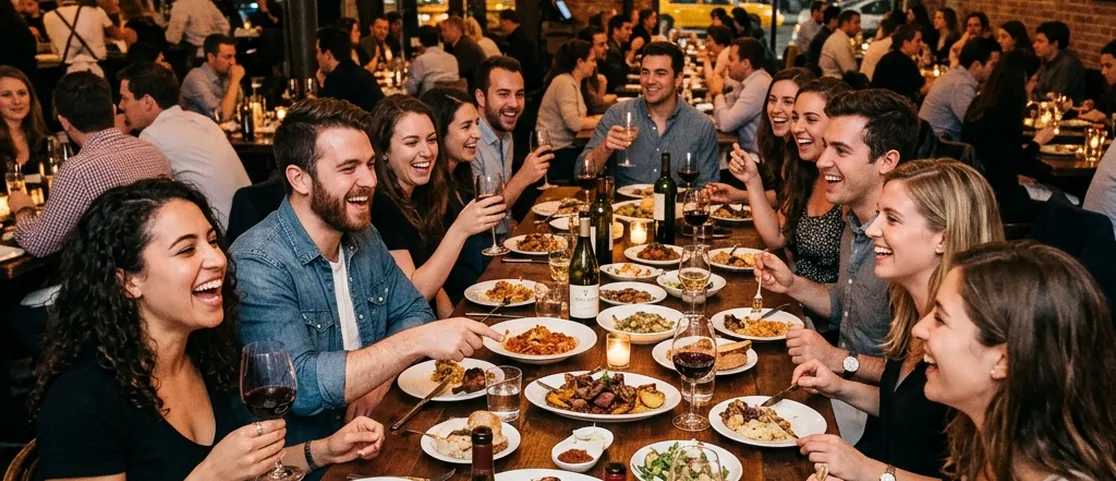
Where to Eat with a Group in Manhattan Without Making Planning Miserable
A practical Manhattan group-dining guide for choosing the right reservation channel, shared-food format, neighborhood, payment plan, and fallback before six people become sixteen.
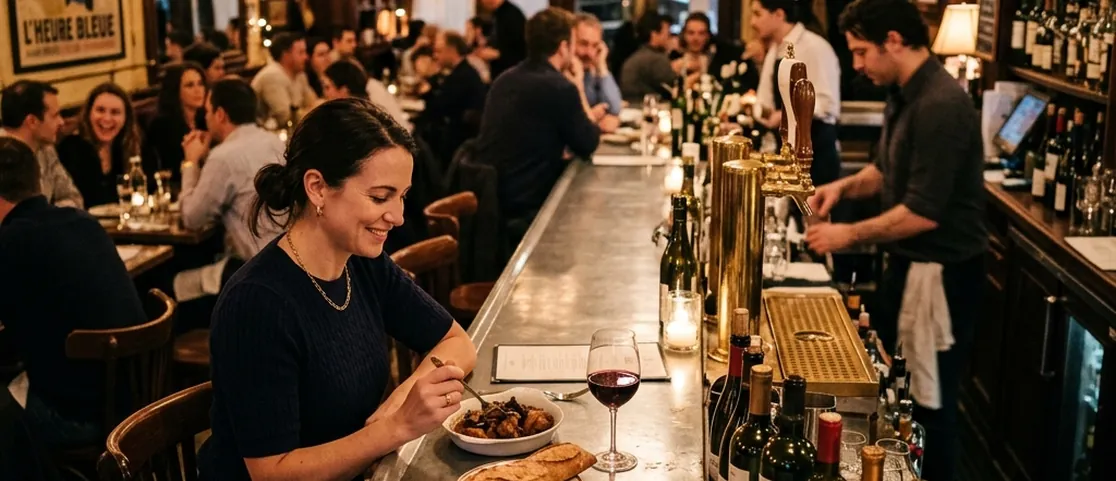
Where to Eat Alone in Manhattan—and Feel Comfortable
A practical local guide to solo dining in Manhattan. Discover full-menu bistro bars, Japanese ramen counters, and historic lunch counters where eating alone feels natural.
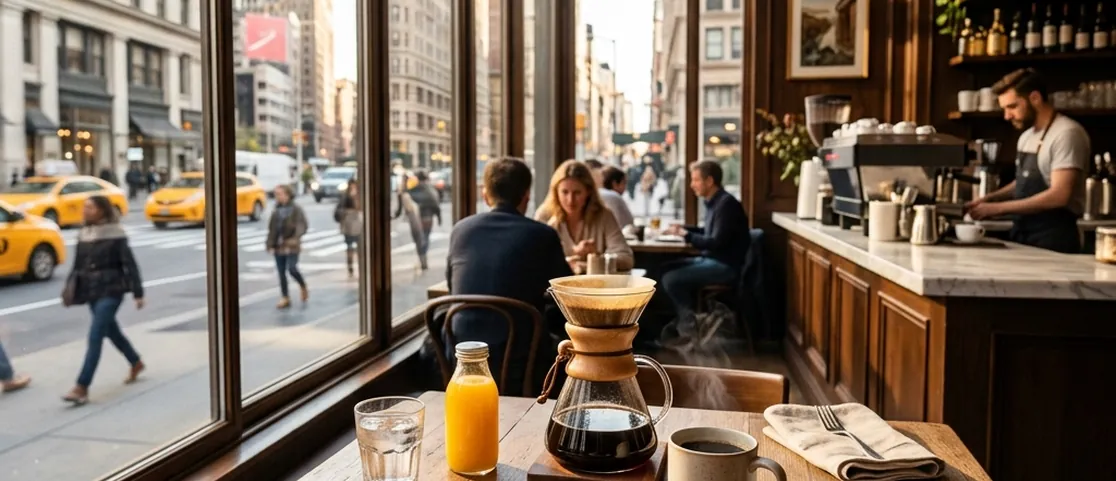
Quiet Breakfasts in Manhattan: How to Find a Calmer Start
A practical guide to calmer Manhattan mornings: choose coffee-first, counter-service, Italian-bar, or sit-down breakfast by seating certainty, noise tolerance, service style, and geography.
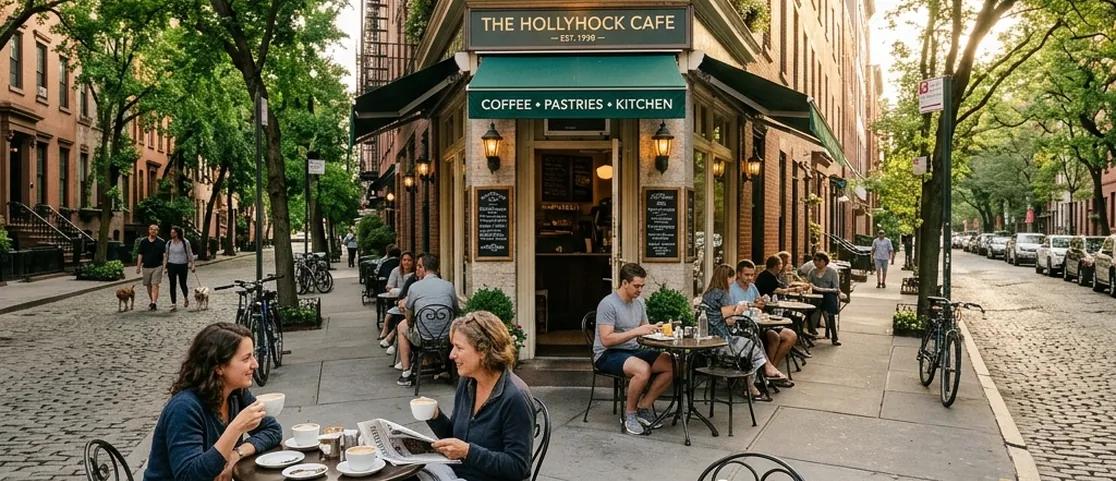
Coffee and Pastry in the West Village: A Walkable Shortlist
A decision-led West Village coffee and pastry guide: pick one coffee anchor, one optional second stop, and a route that fits your seating, crowd, caffeine, and breakfast priorities.
Our recommendations are handpicked independently. No paid placement, no sponsored rankings. How we choose