
The Manhattan Subway for First-Time Visitors: A Practical Guide
A practical, first-time visitor guide to riding the New York City subway: how OMNY tap-to-pay works, avoiding local vs. express mistakes, reading signs, and riding safely.

What to do right now
The subway/local-bus fare is currently $3 for most riders. Tap the same contactless card, phone/watch, or OMNY card, confirm Uptown/Downtown plus local/express, and check service changes before entering.
Quick checklist
- Confirm Uptown vs. Downtown before entering.
- Check whether the train is local or express.
- Use the same payment method if you want fare-capping progress to follow your rides.
- Check MTA alerts for planned service changes.
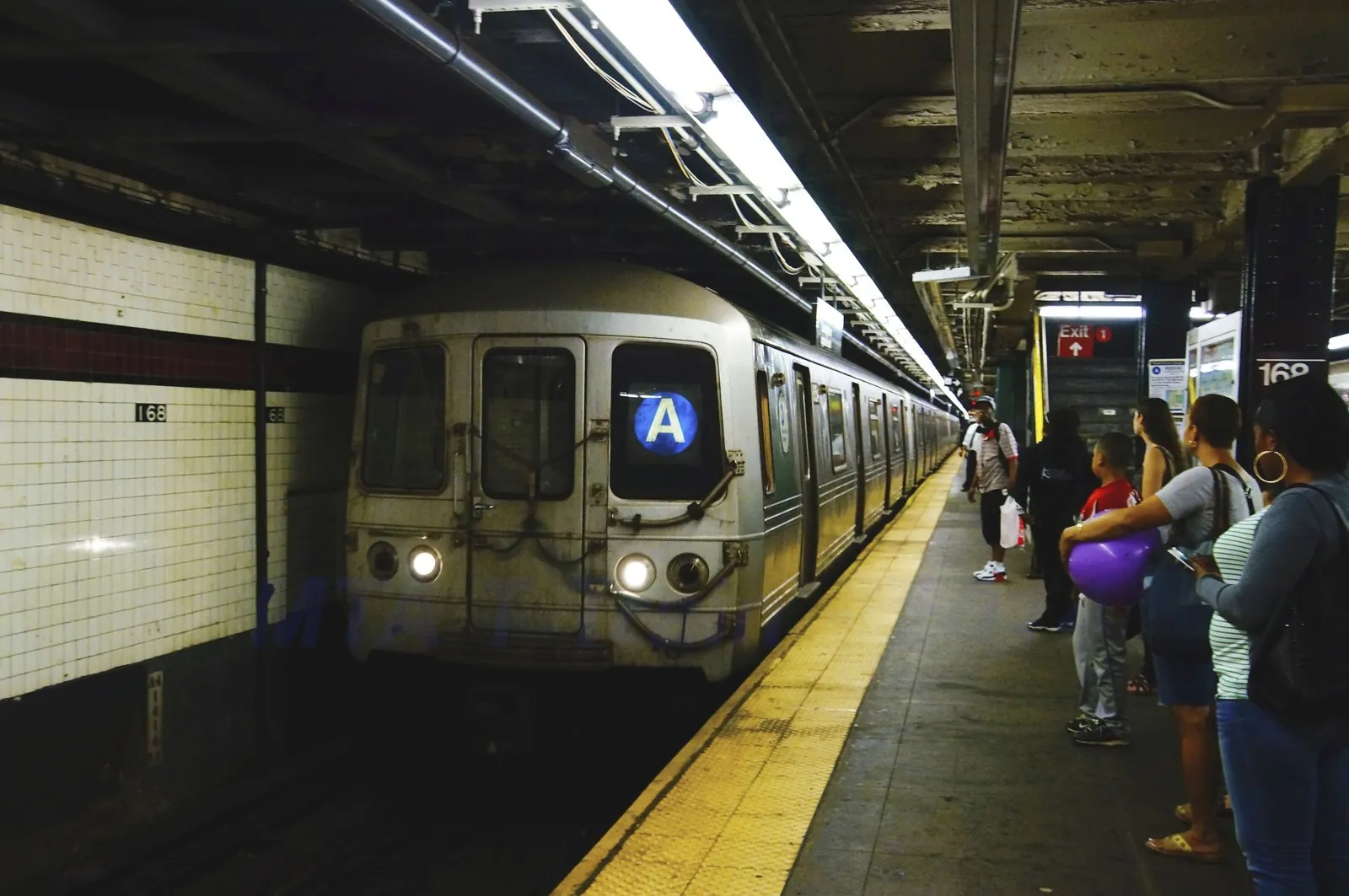
⚡ At a Glance Overview
Make the Decision Fast
Use the subway for repeated longer Manhattan moves, walk short logical hops, and check live service before a route where a missed transfer matters.
You want a practical first-trip system for tapping in, choosing direction, avoiding unnecessary transfers, and recovering from a wrong train.
Do not force the subway when luggage, mobility, late-night service changes, or a simple walk makes another option easier.
Why We Chose This
The subway is the single fastest and most economical way to move through Manhattan, beating street traffic every hour of the day.
Editorial Notes & Caveats
Planned service changes can alter lines, stops, or express/local patterns. Check the current MTA alerts before entering, and keep the same contactless card/device ready if you want fare-capping credit to follow your rides.
The New York City subway is the fastest, most reliable way to get around Manhattan. With 472 stations operating 24 hours a day, 7 days a week, it bypasses Manhattan’s notorious street traffic. For first-time visitors, however, the system can feel overwhelming. This guide cuts through transit jargon to give you only the essential rules you need to ride with confidence.
The quick decision
Take the subway when it meaningfully beats walking or street traffic. Use a contactless card, smartphone, or OMNY card at the turnstile rather than planning around buying a MetroCard. Walk or take a cab instead when a short cross-town trip, heavy luggage, or mobility constraints make the subway the worse fit.
What makes the subway essential for Manhattan travel
Manhattan street traffic is unpredictable. A taxi ride from Soho to Midtown can take 45 minutes during rush hour, whereas the N/Q/R/W or 4/5/6 subway lines complete the same trip in under 15 minutes. The subway grid closely mirrors Manhattan’s avenue layout, making navigation straightforward once you understand two core concepts: direction (Uptown vs. Downtown) and service type (Express vs. Local).
Furthermore, the MTA’s contactless payment system (OMNY) has eliminated the historic hassle of buying paper tickets or swiping plastic cards. You simply tap your phone or card and walk through.
A practical guide to riding the subway without mistakes
1. How OMNY and Tap-to-Pay Work (No MetroCard Needed)
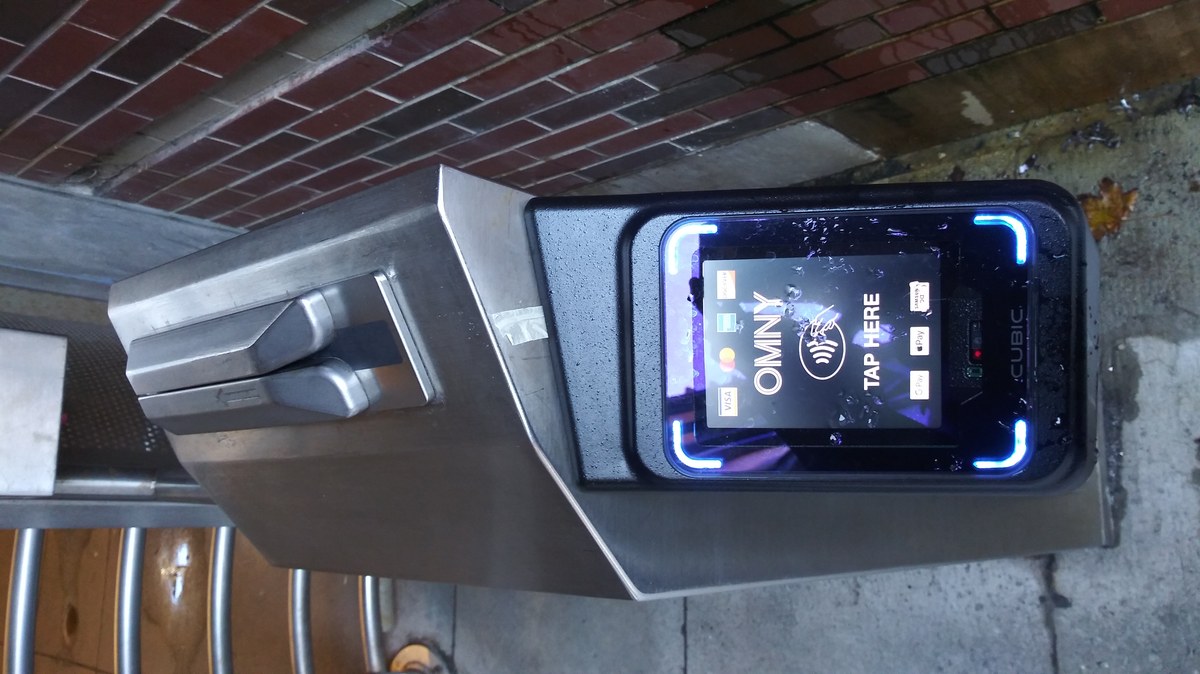
Every subway turnstile in New York City is equipped with an OMNY reader—a square digital screen located at the turnstile gate. You do not need to download an app or buy a ticket. Simply tap any contactless credit card, debit card, or smart device (Apple Pay, Google Pay) directly against the reader.
When the reader screen flashes green and reads "GO", continue through the turnstile. Checked September 9, 2026, the fare is $3 for most riders. MTA says free rides begin after 12 paid fares within seven days when you keep using the same payment method. Each rider should use their own payment method if they want their own fare-capping progress.
2. Uptown, Downtown, East Side, and West Side Navigation
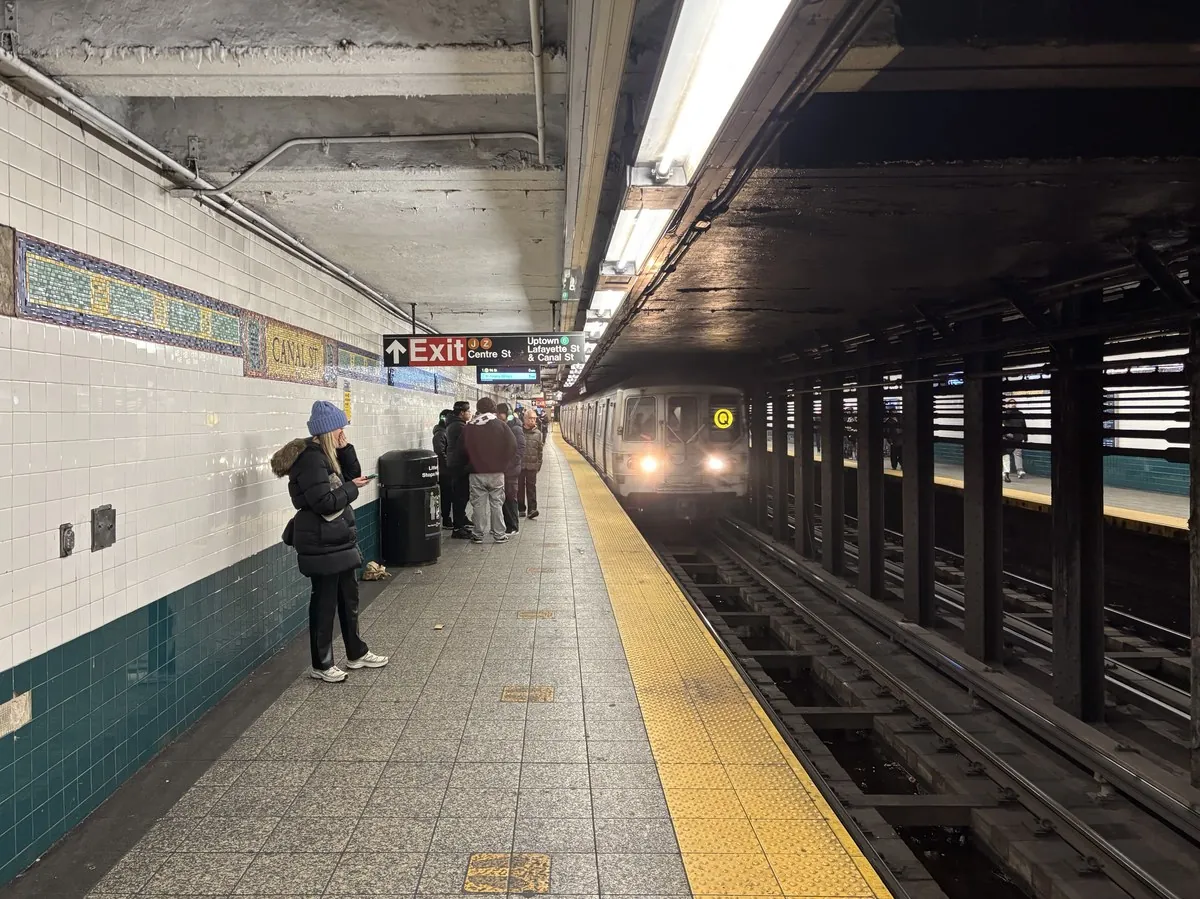
Manhattan subway directions are categorized by compass heading and neighborhood geography. "Uptown" means traveling North (towards Central Park, Upper East Side, Upper West Side, and Harlem). "Downtown" means traveling South (towards Soho, Financial District, and Brooklyn).
Pay close attention to station entrance signs above street stairwells. Some historic stations have separate street entrances for Uptown and Downtown platforms. If you enter the wrong side, you may have to swipe out and cross the street to enter the correct direction.
3. Express vs. Local Trains (The Most Common Visitor Mistake)
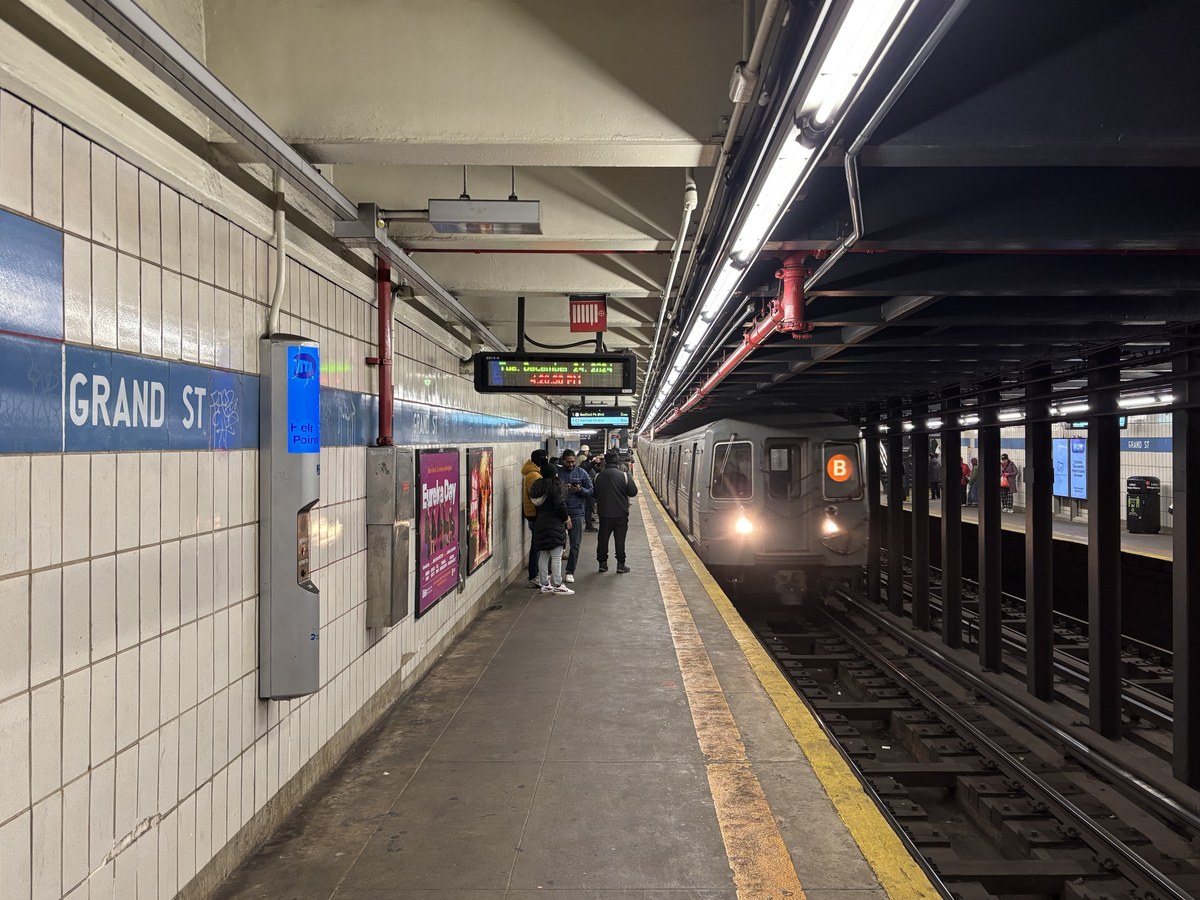
Subway lines sharing the same color track are not identical. Local trains stop at every single station along the route. Express trains skip smaller stations and stop only at major transit hubs.
For example, on the Lexington Avenue Line (Green Line), the 6 train is Local (stopping at every street station), while the 4 and 5 trains are Express (skipping dozens of stops between Brooklyn Bridge and 14th St-Union Square). Always check the digital sign on the side of the subway car or listen to onboard conductor announcements before stepping inside.
4. Reading Subway Signage and Station Entrances
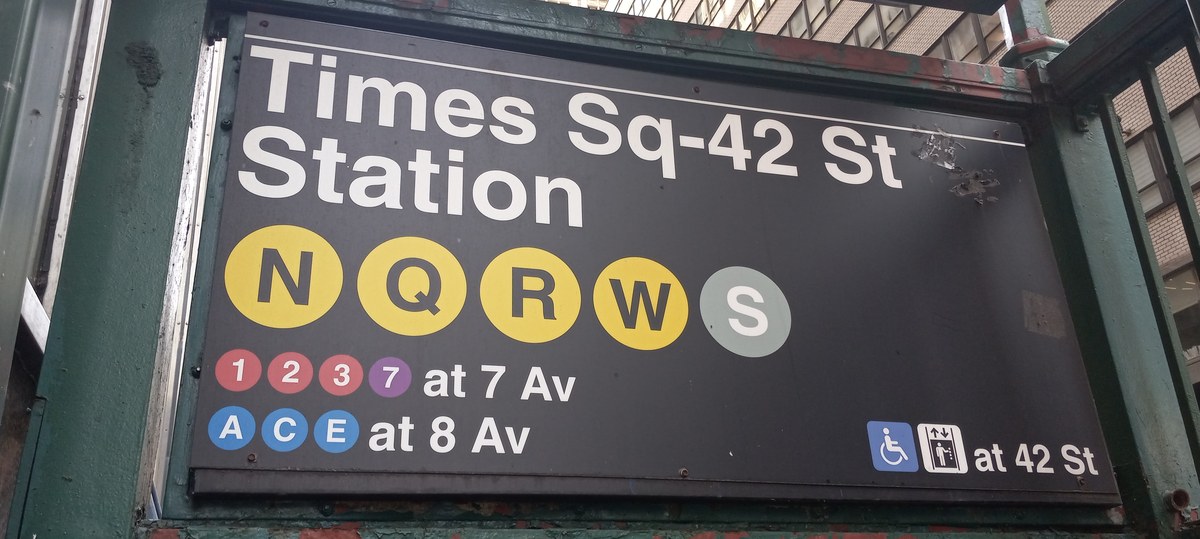
Subway entrances are marked by iconic street lamps. Green globes indicate that the station entrance is open 24/7 with turnstiles. Digital overhead display boards inside stations list arriving trains, their destination terminus, and arrival countdown in real-time minutes.
When waiting on the platform, stand behind the yellow tactile safety strip. Modern station screens also display train car congestion levels so you can position yourself near less crowded cars before the train stops.
5. Practical Etiquette, Safety, and Late-Night Riding
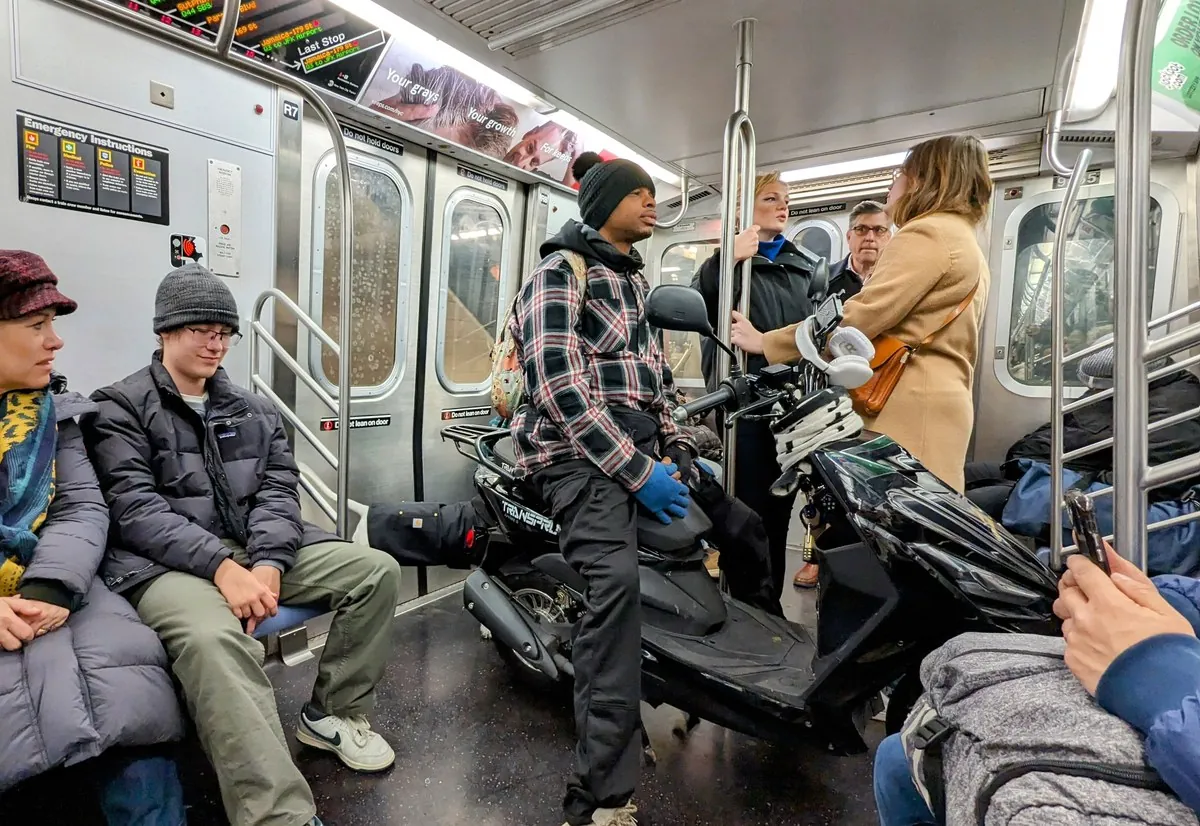
Subway etiquette is simple: step aside to let passengers exit the train completely before you enter. Move toward the center of the car rather than hovering near the doors. On escalators, stand on the right and walk on the left.
The subway is safe day and night, but late at night (after 11:00 p.m.), trains run less frequently. Wait in designated "Off-Peak Waiting Areas" near the middle of platforms, which are monitored by station cameras and located near the conductor’s car.
What to skip
- Skip planning around buying a new MetroCard. The current MTA fare system centers OMNY/contactless payment; use an OMNY card if you prefer a physical transit card.
- Skip entering a turnstile without having your card or phone unlocked and ready in your hand.
- Skip boarding an empty subway car during rush hour if all adjacent cars are full—it usually means the air conditioning is broken or there is an unsanitary mess.
- Skip trying to cross Midtown Manhattan East-West on a subway when walking 10 minutes is faster.
- Skip holding subway doors open for companions; it delays the entire line and can trigger mechanical safety locks.
Who will enjoy the subway most
The subway is ideal for energetic travelers, solo trip planners, budget-conscious visitors, and anyone who values speed over door-to-door luxury. It gives you the authentic pulse of New York City and lets you experience the city like a local.
It is less suitable for travelers with severe mobility impairments at non-accessible stations (always verify elevator access on MTA maps), or families traveling with multiple oversized strollers during crowded rush hours.
Timing and budget without false precision
Budget $3 per paid subway ride for most riders as checked September 9, 2026. Do not use one fixed travel-time promise: wait time, express/local service, transfers, planned work, and the station you actually enter can change the trip substantially.
A 3-step practical subway decision plan
- Step 1: Check your destination direction (Uptown vs. Downtown) and locate the nearest station entrance marked with a green globe.
- Step 2: Have your smartphone (Apple/Google Pay) or contactless credit card ready, tap the OMNY reader at the turnstile, and enter.
- Step 3: Confirm your train line letter or number on the platform display screen, verify whether it is Express or Local, and board cleanly.
If you accidentally board an Express train that skips your intended stop, do not panic. Simply get off at the next major Express hub station, walk across the platform, and take the Local train back one or two stops.
The final call
Do not let the complexity of the subway map intimidate you. Tap your card, check whether you are going Uptown or Downtown, verify if your train is Local or Express, and enjoy the fastest ride in Manhattan.
Suggested Route & Mini Plan
1. Morning: Tap into your local station with OMNY and take an Express train to your main attraction area.
2. Afternoon: Use short Local train hops or walk between adjacent Midtown and Downtown neighborhoods.
3. Evening: Tap back home or take a yellow cab if returning late with heavy bags after a show.
Curated Alternatives
Walking for short downtown & midtown hops
Walking is often faster for distances under 15 blocks in Mid-Manhattan, avoiding station stairs, platform heat, and turnstile queues.
Yellow Taxis or Rideshares for cross-town or late night trips
Taxis & Rideshares make sense late at night, with heavy luggage, or when traveling across town (East-West) where subway lines require multiple transfers.
NYC Ferry for scenic East River transit
NYC Ferry provides a scenic water route along the East River connecting Lower Manhattan, Midtown East, and Brooklyn for the cost of a single fare.
Frequently Asked Questions
Can two or more people use the same credit card for tap-to-pay?
Yes! Multiple passengers can tap the same contactless credit card or device at the turnstile one after another (up to 4 people per trip). However, to qualify for OMNY weekly fare capping, each individual traveler should use their own unique payment method.
Is there a free transfer between subways and buses?
Yes. OMNY includes a free 2-hour transfer between subway and NYC bus lines (or between separate subway lines that require exiting turnstiles) when using the same payment card.
Do I need to buy a MetroCard for my visit?
For a visitor, plan to use OMNY: tap a contactless bank card, phone/watch, or an OMNY card. MTA ended new MetroCard sales as part of the 2026 transition, so do not build a new trip around finding a MetroCard vending option.
What happens if a subway train changes tracks on the weekend?
During weekends or late nights, maintenance work may cause Express trains to run on Local tracks or route over different lines. Check the yellow paper notices on station walls or digital platform boards.
Our recommendations are handpicked independently. No paid placement, no sponsored rankings. How we choose