
Neighborhood hub
Flatiron + Union Square When You Need a Useful Central Stop
Flatiron and Union Square work best as one compact Manhattan decision: a central connector with useful transit, two public-park pauses, food that can stay casual, and enough architecture to make two or three hours feel intentional. This hub helps you decide when that compact central block belongs in the day—and when Chelsea, the East Village, or Midtown East is the better use of your time.
Reader question: Should I spend a compact two to three hours around Flatiron and Union Square for transit, food, a park pause, and central Manhattan geography?
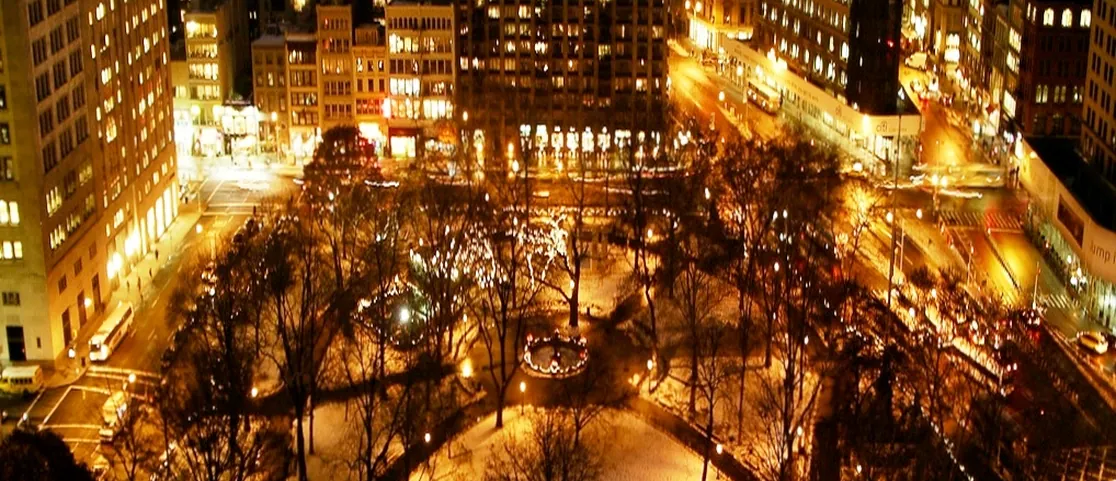
Who it fits
First-time or return visitors who already need to cross between downtown and Midtown; travelers who want one bakery, cafe, market, or meeting anchor without a full restaurant crawl; people who value a useful public-space reset; and short-trip visitors who want a central block that does not create another long subway reset.
Who should pick another area
Skip this as a standalone destination when your real goal is Chelsea galleries and the High Line, East Village street energy, or Grand Central and Midtown East. Skip it if you are trying to collect every famous building on the map. The area is strongest as a compact connector with one or two anchors—not as an all-day sightseeing district.
How much time is realistic
Plan roughly two to three hours for a first visit: one Union Square anchor, a northbound walk, Madison Square Park or the Flatiron streetscape, and one food or coffee stop. If you have only forty-five minutes, choose one park and one edible anchor. If you have half a day, add one adjacent neighborhood rather than stretching this compact area into a larger checklist.
Flatiron and Union Square are often treated as two separate names because visitors recognize the Flatiron Building and the Union Square subway hub. On the ground, the more useful planning unit is the corridor between them. Union Square gives you transit, a public square, food and market energy. The walk north gives you Broadway and Park Avenue South choices. Madison Square Park and the Flatiron streetscape give you a second pause before Midtown takes over. That is a coherent short visit; two separate neighborhood checklists are not.
This is not a neighborhood where one ticketed attraction has to justify the trip. The value comes from low-friction geography. You can arrive from downtown, make one good food or coffee decision, sit for a few minutes, walk north, and leave toward Chelsea, Midtown, or the subway without undoing the rest of the day.
What this combined area is actually good at
- A central reset between a downtown morning and a Midtown afternoon.
- One bakery, breakfast, cafe, or casual food anchor without building a restaurant crawl.
- Two public-space pauses: Union Square at the south end and Madison Square Park at the north end.
- A compact architecture-and-street walk when you want atmosphere but not another museum or paid attraction.
- Transit flexibility when the next part of the day could go east, west, uptown, or downtown.
The area is weaker when you ask it to become something larger. It does not beat Chelsea for an art-and-High-Line afternoon. It does not beat the East Village for a younger street-and-food loop. It does not beat Midtown East when Grand Central, offices, or an after-work drink are the fixed anchors. The centrality is the product.
Start at Union Square when the south end is doing useful work
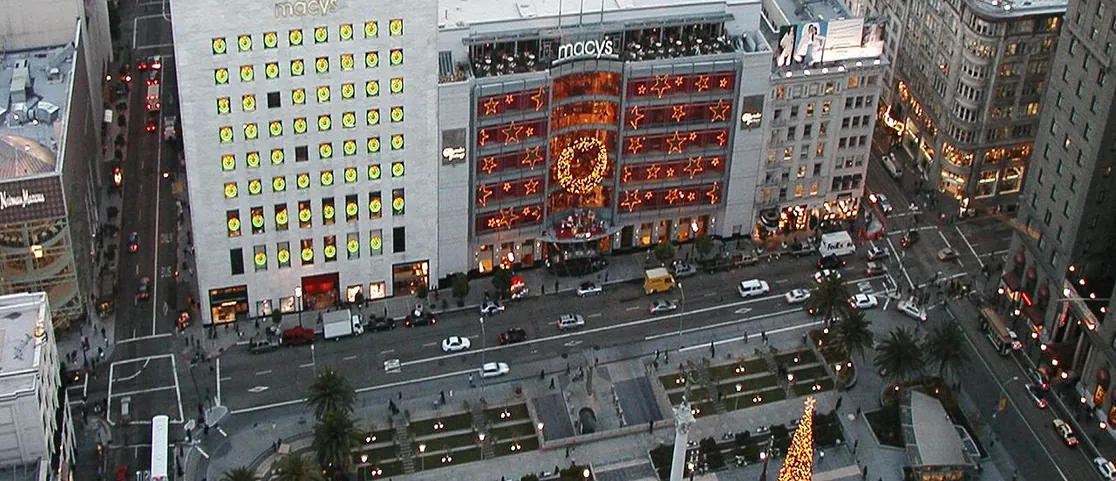
Union Square is a good start when you are arriving by subway, meeting someone, picking up food, or using the square as the seam between Greenwich/East Village geography and Midtown. Do not feel obligated to circle the entire park. The square can be a ten-minute orientation, a bench pause, or the place where one food decision happens before you walk north.
For a specific bakery stop, use the Breads Bakery spotlight instead of turning this hub into a pastry menu. The useful question here is whether one bakery stop improves the route—not which babka wins a citywide ranking.
Market activity can make the square feel like a destination on some days and merely a transit plaza on others. That variability is exactly why the hub should remain evergreen: use the market if it is operating and relevant to you, but do not make a first visit depend on a vendor schedule that can change.
Walk north instead of adding another subway hop
Once you leave Union Square, the northbound move is the point. Broadway and Park Avenue South create two slightly different textures, but both keep you inside a compact grid. The walk is long enough for the city to change around you and short enough that it does not need a route spreadsheet. Choose one side, let the storefronts and side streets be secondary, and keep moving toward Madison Square Park.
The failure mode is zigzagging east and west because every cafe, shop, and building looked close on the map. A short central stop becomes tiring when it collects too many side missions. One food or coffee anchor plus one park pause is enough for most first visits.
Madison Square Park is the northern pause, not a second itinerary
Madison Square Park gives the walk a natural finish. Sit if you need a reset, look at the surrounding architecture, and decide what the next geography should be. The Flatiron Building area is worth seeing as streetscape even when a building-view photo is not the purpose of the day. You do not need to manufacture a museum-length visit around it.
If the visit is happening after dinner, the evening dessert-walk guide uses the Flatiron/Madison Square geography as one of several compact night shapes. Keep that evening decision separate from this daytime hub.
Use food as an anchor, not the identity of the neighborhood
Flatiron and Union Square have enough restaurants, bakeries, cafes, and quick food to tempt a long shortlist. That is not necessary. Choose the format you need: breakfast before a day starts, a bakery box for the park, a calm cafe for an hour, or a business meal near the route. The neighborhood hub should help you place that decision in the day, while the specialist guides handle the format.
For a quieter morning, use the quiet-breakfast guide and treat Flatiron as one possible morning geography rather than a promise that every nearby cafe will be calm.
If work is the reason you are here, the quiet-cafes-for-working guide owns laptop fit, noise, and stay-length tradeoffs. A central location does not automatically make a cafe a good office.
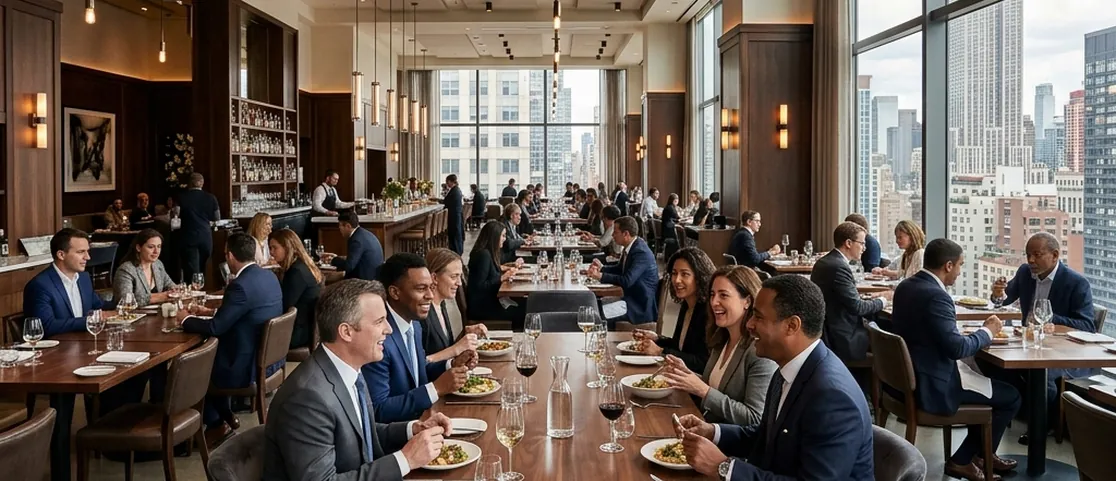
For a client or colleague meal, use the business-meeting restaurant guide instead of reading this neighborhood hub as a restaurant ranking.
Holiday season changes the square, not the core decision
Union Square can become a much stronger destination during the holiday market season. That is a seasonal layer, not the year-round identity of this hub. The same geography still matters: arrive with a reason, time-box the market, and decide whether the rest of the day continues north, east, or west rather than wandering until the crowd decides for you.
When the holiday market is the actual reason for the visit, use the holiday-market comparison to decide whether Union Square fits better than Bryant Park, Columbus Circle, or Grand Central for that day.
Choose Chelsea instead when art and the High Line are the point
Chelsea is close enough that visitors often merge it into the same half-day. Resist that if galleries, Chelsea Market, or the High Line are the real anchors. Those decisions pull you west and deserve their own block. Flatiron + Union Square is the better choice when centrality, transit flexibility, one food stop, and a park reset matter more than an art district.
Use the Chelsea hub when art, the High Line, or Chelsea Market should dominate the plan. Do not add Chelsea merely because both areas look close on a map.
Choose the East Village instead when street energy is the point
Union Square is also the western/northern launch point for an East Village afternoon. If your real goal is St. Mark’s, Tompkins Square, casual food, bookshops, and a younger street rhythm, turn east and let that become the day. Do not spend ninety minutes in Union Square first and then call the remaining time an East Village visit.
Use the East Village hub when the street-and-food loop is the actual decision. The combined Flatiron + Union Square hub should remain the central connector, not absorb the East Village.
Midtown East is a different kind of useful
Midtown East also works because it is practical, but the reason is different: Grand Central, office geography, meetings, and after-work decisions. If those are fixed, continue north and east rather than forcing a Flatiron stop into the schedule. This hub is best when you need a central seam; Midtown East is best when the east-side work/transit system is already the anchor.
For that decision, use the Midtown East hub and keep Grand Central or after-work planning there.
A practical two-to-three-hour shape
- Arrive at Union Square because it is already useful to your route—not because you need to “complete” the park.
- Choose one food, bakery, market, or coffee anchor before you start walking north.
- Use Broadway or Park Avenue South as the main northbound spine; avoid repeated east-west zigzags.
- Pause at Madison Square Park and decide whether the next block is Chelsea, Midtown, or a subway reset.
- Leave while the area still feels compact. Add one adjacent neighborhood only when it is the real next intent.
The decision in one line
Choose Flatiron + Union Square when you want a useful two-to-three-hour central connector with transit, one food decision, and a park-and-architecture walk—skip it as a standalone destination when Chelsea art, East Village street life, or Midtown East infrastructure is the real point of the day.
What this hub will not do
This hub is not a ranked Flatiron restaurant directory, a history of every building around Madison Square, or two thin neighborhood pages joined by SEO wording. It will not duplicate Chelsea art, East Village afternoon, Midtown East after-work, or NoMad stay content. Flatiron and Union Square stay combined because the useful visitor decision is the short central corridor between them.
Practical caveats
Union Square can become crowded around market activity, commuting, demonstrations, and seasonal events; use the edges of the park rather than stopping in passenger flow. MTA currently lists step-free access at 14 St–Union Sq for the L and N/Q/R/W platforms, while the 4/5/6 platforms are not listed as accessible; check live MTA elevator status before travel when step-free routing is essential. Market, vendor, and holiday-event schedules change—verify the specific event before building the day around it.
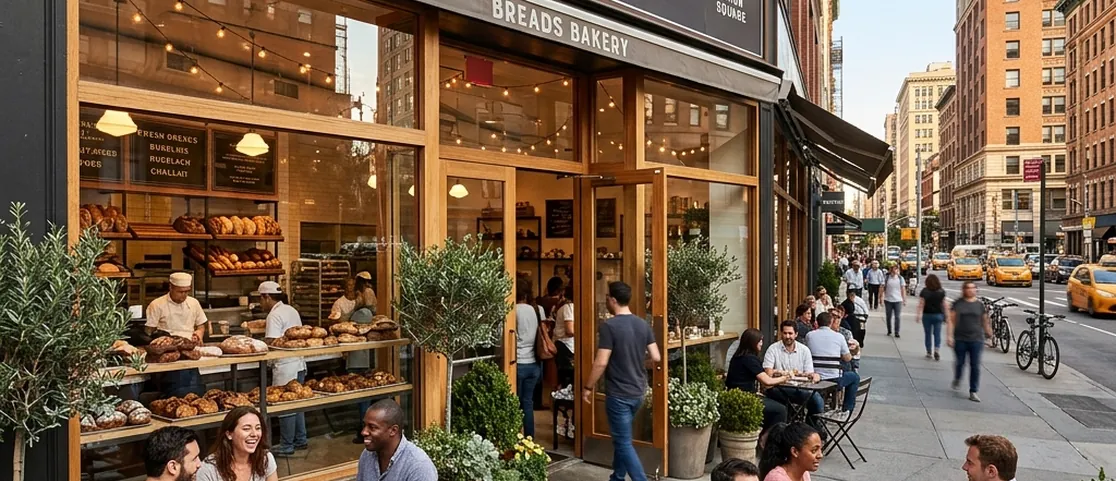
Breads Bakery in Union Square: What It Is Best For
An editoryal evaluation of Breads Bakery near Union Square. Discover top order choices, queue timing, indoor seating constraints, and park picnic alternatives.
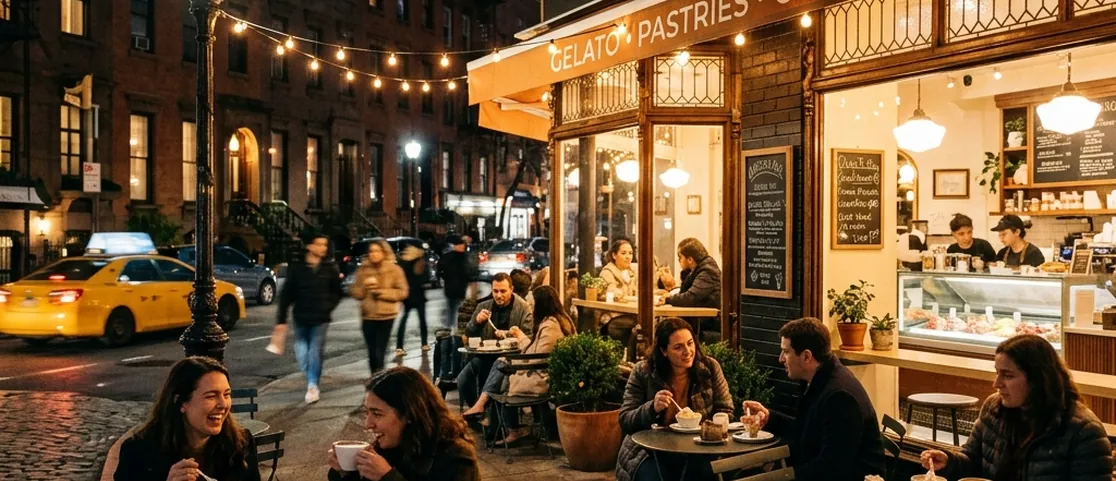
Dessert Stops for an Evening Walk in Manhattan
A practical Manhattan dessert-walk guide: choose one late sweet stop near dinner, decide whether you want a table or something handheld, and add a second stop only if the night still benefits from it.

Holiday Markets in Manhattan: Which One Fits Your Day?
A comprehensive comparative guide to Manhattan’s 4 iconic holiday markets. Match your schedule, weather tolerance, gift shopping, and food cravings to the right market.

Quiet Manhattan Cafés for Working: What to Look For and Where to Try
A practical guide to finding the right Manhattan cafe for remote work, detailing noise levels, laptop rules, and exactly what to expect before you arrive.

Quiet Breakfasts in Manhattan: How to Find a Calmer Start
A practical guide to calmer Manhattan mornings: choose coffee-first, counter-service, Italian-bar, or sit-down breakfast by seating certainty, noise tolerance, service style, and geography.
Manhattan Restaurants for Business Meetings: What Actually Matters
A practical guide to choosing Manhattan restaurants for business lunches and client dinners. Evaluate venues by acoustic control, table spacing, service pace, and privacy.
Our recommendations are handpicked independently. No paid placement, no sponsored rankings. How we choose