
Neighborhood hub
Midtown East After Work: Stay or Leave?
Midtown East is often treated as a corridor to escape—Grand Central at 5:15 PM, then straight underground. This hub helps you decide whether staying for an hour earns something worth the walk, or whether another neighborhood fits your evening better.
Reader question: After work near Grand Central, should I stay in Midtown East or head elsewhere?
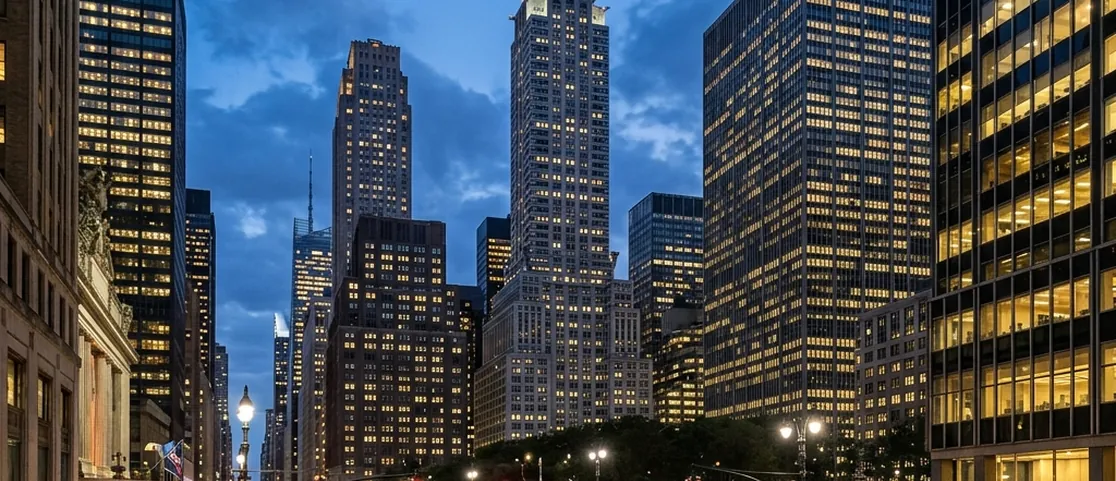
Who it fits
Office workers and business travelers ending meetings between 42nd and 55th Streets east of Fifth Avenue, visitors staying near Grand Central who want one structured evening without cross-town transit, and anyone with ninety minutes before dinner who prefers a park bench or historic bar over a subway crush.
Who should pick another area
Skip Midtown East as an evening destination if you want downtown nightlife, residential Village pace, or a Broadway show that starts in an hour—you will fight timing and dress-code friction. Pick Hell’s Kitchen for pre-theater dining, Chelsea for a west-side gallery walk, or the West Village when the goal is unhurried wandering—not corporate-tower corridors.
Thinking about staying in Midtown East?
Use the where-to-stay chooser to compare this neighborhood with other Manhattan bases using your trip anchor, noise tolerance, budget, kids, transport priority, and trip length. Then use How to Choose Where to Stay in Manhattan to check the exact hotel door, final payable room total, cancellation terms, and the route you will repeat most.
How much time is realistic
A focused post-work window (ninety minutes to two hours) is enough: one reset stop (pocket park or quiet lobby bar), one sit-down drink or dinner anchor, then leave on your own terms. Trying to “explore Midtown” after dark without a plan usually means standing on Lexington Avenue wondering why everything looks closed.
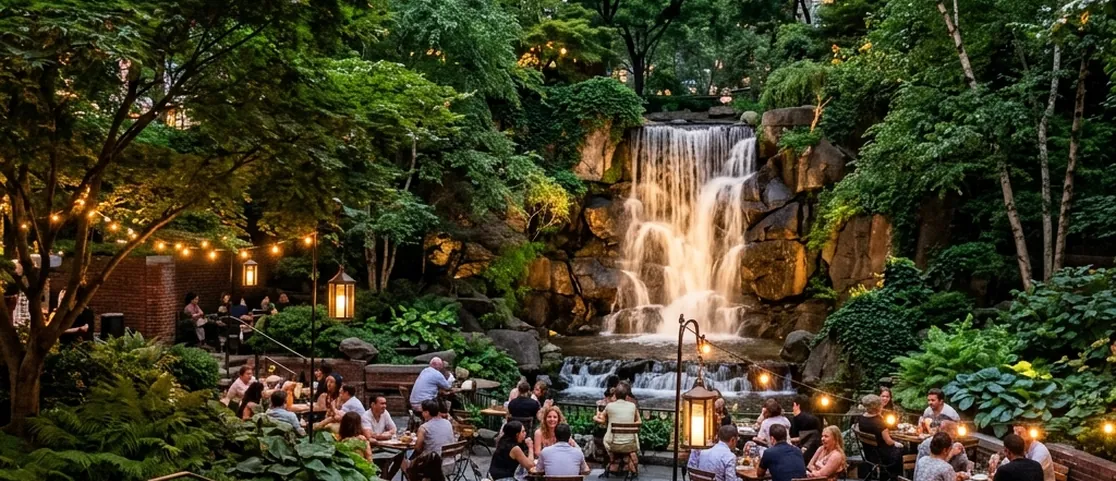
Midtown East’s reputation as a transit funnel is half true. The other half is hidden-in-plain-sight: pocket parks with waterfalls, Gilded Age bars inside Grand Central, basement izakayas, and red-brick saloons within ten minutes of Lexington Avenue. The neighborhood rewards people who ask “stay or leave?” before they swipe into the subway—not tourists trying to “do Midtown” without a time box.
What Midtown East is actually good at after 5 PM
The durable strength is proximity. If your day already happened between Park and Third Avenues, the best post-work plan often starts on foot: no cab, no cross-town gamble, no pretending you will make the Village by 6 PM. Waterfall parks, historic lounges, and Japanese dining clusters exist because decades of office workers needed somewhere to sit before the train home.
That is different from generic “Midtown sightseeing.” Observation decks and Rockefeller crowds live west of Fifth; this hub is about the east-side office grid after hours—not landmark checklists. If your trip is tourist-first, schedule Midtown icons in daylight and treat this corridor as an optional evening, not a default.
Business meals and laptop work between meetings overlap geographically but not in intent. Our business-restaurants piece handles client lunches and noise levels; the between-meetings guide handles Wi-Fi and outlet reality. This hub answers whether the evening belongs here at all.
When staying beats leaving
Stay when you are already dressed for a bar or sit-down room, you have ninety minutes without a timed show, and you want calm before movement—not when you are chasing downtown energy or a reservation across town.
- Stay: your hotel or meeting ended near Grand Central and another subway ride sounds worse than a walk.
- Stay: you want one historic bar or pocket park without leaving the east-side grid.
- Stay: you can wait out the 5:30 PM platform crush and eat at 7 PM nearby.
- Leave: your real plan is SoHo, the Village, or Brooklyn and you are already late.
- Leave: you only have forty minutes before a Broadway curtain—Hell’s Kitchen or Times Square west is closer to that intent.
Rain pushes you toward Grand Central’s indoor passages and Campbell-style lounges; summer heat makes shaded pocket parks valuable for twenty minutes before dinner. Winter rewards shorter outdoor loops with a warm bar anchor—you do not need a long walk to justify staying.
How to decide in three questions
The failure mode is leaving by reflex, then spending forty minutes on a subway to stand in a louder line elsewhere. A better frame is three quick questions before you descend to Track 36.
1. Do you need quiet or conversation?
Greenacre Park’s waterfall and terrace benches answer quiet. P.J. Clarke’s mahogany bar answers low-key conversation. Pick one mood—not both in a rush—then stop when the time box ends.
2. Is dress code going to gate you?
Historic lounges inside office buildings expect business casual. If you are in sneakers and a daypack, plan a saloon or izakaya instead of a velvet-rope cocktail room. The after-work guide names which stops tolerate which attire.
3. Would leaving actually save time?
Cross-town to Chelsea or downtown to Tribeca costs thirty to forty-five minutes each way at peak hour. If your window is ninety minutes, staying wins. If your window is a full evening, leaving can win— but name the destination before you move.
Grand Central is both infrastructure and, when you choose it deliberately, a short architecture attraction. If the terminal itself is the question, use the Grand Central time-box guide to choose a walk-through, a focused twenty-minute stop, or a real 45–90 minute visit. This hub still owns the larger stay-or-leave Midtown East decision.
Compared with Chelsea and downtown
Chelsea’s gallery-and-High Line afternoon is a west-side plan you schedule—not a post-meeting detour from Lexington Avenue. Lower Manhattan’s harbor spine is a full-day downtown energy. Midtown East after work is a short, east-side reset: park, bar, noodles—then home or to your show.
Hell’s Kitchen sits west of Times Square and fits pre-theater dining better than a Third Avenue izakaya when the curtain is fixed. Use neighborhood hubs to match intent, not proximity on a map.
What to read next on WhyManhattan
Run the Midtown East after-work guide for the executable evening—parks, lounges, and izakayas in walking order. Open between-meetings when your problem is laptops and outlets between 10 AM and 4 PM. Use business restaurants when the meal is the meeting, not the unwind after it.
Visitors sometimes conflate Midtown East with “all of Midtown.” Rockefeller Center, Times Square, and Bryant Park sit west or south of this grid. If those icons are your evening, you are not in Midtown East—you are in a different crowd pattern with different timing. Name your anchor before you choose stay or leave.
The decision in one line
Stay in Midtown East when you have ninety minutes, acceptable attire, and a single anchor—a waterfall bench or historic bar—without another subway ride. Leave when your real evening is in another neighborhood and you are not just fleeing office towers out of habit.
What this hub will not do
This hub is not the step-by-step after-work route—that is in our Midtown East evening guide. We do not rank every sky-bar in Manhattan, paste business-lunch listings, or treat Grand Central as a shopping mall tour.
Practical caveats
Upscale lounges enforce smart-casual dress after 5 PM—backpacks and gym clothes can be turned away. The 5:15–6:15 PM commuter surge makes Grand Central platforms miserable; staying above ground for forty-five minutes often saves sanity. Weekends feel emptier east of Third Avenue once offices close. Pocket parks like Greenacre have posted hours—verify before you detour. Meeting-room work between appointments is a different intent; use our between-meetings guide for laptop stops, not this hub.
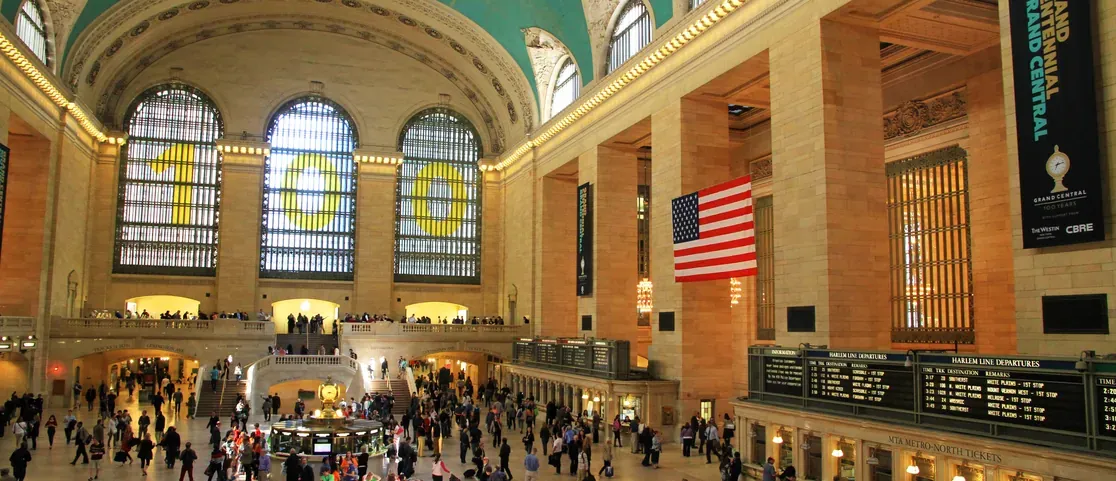
Grand Central: Twenty Minutes or a Real Stop?
Grand Central can be a five-minute walk-through, a focused twenty-minute stop, or a real 45–90 minute attraction. Choose by route fit, not fame.
Midtown East After Work: What Is Actually Worth Your Time
A practical Midtown East evening guide built around three compact lanes near Grand Central, East 39th Street, and the 50s—without fake rush-hour hacks or cross-neighborhood backtracking.
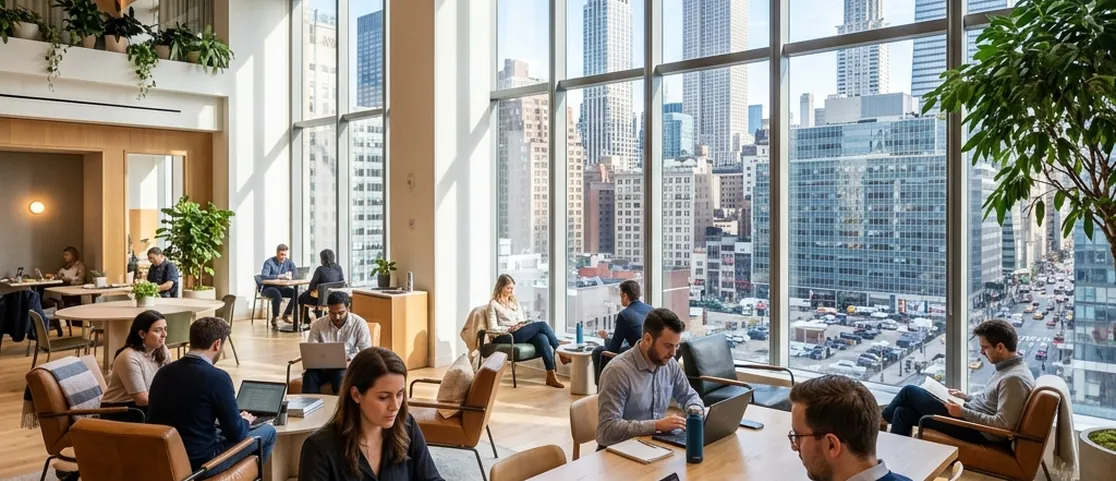
Where to Work Between Meetings in Midtown
A practical local guide to drop-in workspaces in Midtown Manhattan. Discover quiet library desks, laptop-friendly hotel lobbies, soundproof phone booths, and transit lounges.
Manhattan Restaurants for Business Meetings: What Actually Matters
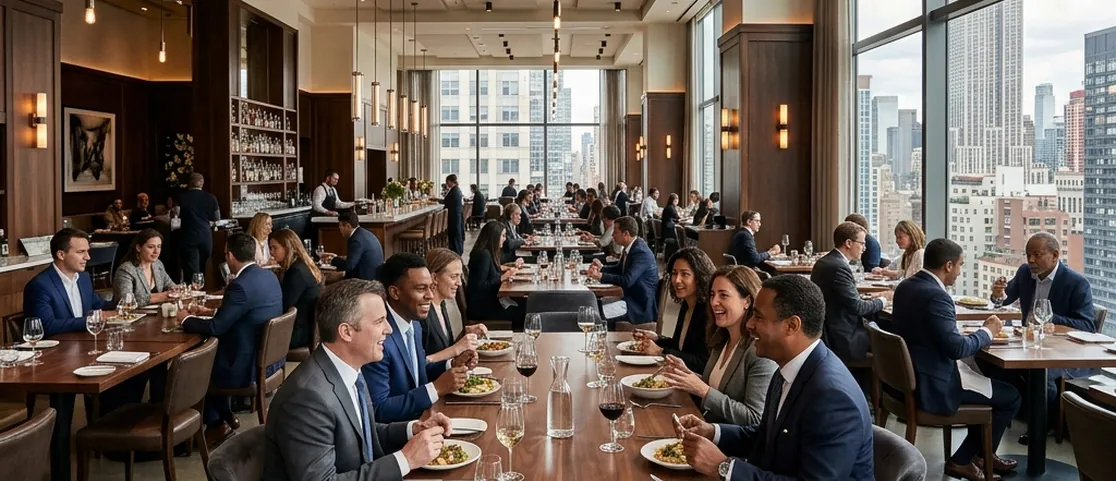
A practical guide to choosing Manhattan restaurants for business lunches and client dinners. Evaluate venues by acoustic control, table spacing, service pace, and privacy.
Our recommendations are handpicked independently. No paid placement, no sponsored rankings. How we choose