
A Low-Stress Recovery Day in Manhattan
A practical low-friction day for ordinary travel fatigue: one neighborhood, fewer decisions, quiet public space, an optional spa branch, simple meals, and an early finish.


⚡ At a Glance Overview
Why We Chose This
The refreshed guide removes medical-sounding promises and replaces a cross-Manhattan checklist with three geographic recovery modes: West Village, Central Park East, or Tribeca spa. Each mode reduces transfers and keeps only one optional paid commitment.
Editorial Notes & Caveats
This is itinerary advice for ordinary travel fatigue, not medical care. If you are actually ill, injured, faint, unusually short of breath, in severe pain, or otherwise concerned about your health, stop sightseeing and seek appropriate care. Spa facilities also have age, pregnancy, health-screening, and other participation rules—read the venue policy before booking.
A recovery day should remove decisions, not replace one packed itinerary with a wellness-themed packed itinerary. After several long Manhattan days, the useful reset is often surprisingly ordinary: sleep a little longer, eat without a deadline, walk one small area, sit somewhere calm, and stop before the evening becomes another project.
The old version of this guide moved from breakfast to Central Park or Battery Park City, then to a spa, then to a specific noodle dinner, while making claims about restoring the body and improving sleep. Those claims are not necessary to help a traveler plan a gentler day. This refresh stays in the lane of itinerary design.
First make one distinction. Ordinary travel fatigue can mean sore feet, a late start, low patience for crowds, or simply not wanting another twelve-mile day. Illness or injury is different. If you are worried about your health, stop the sightseeing plan and seek appropriate care. A café, garden, bathhouse, or bowl of noodles is not a substitute for medical attention.
The recovery rule: one zone, one paid anchor, one easy exit
Choose the zone closest to where you are sleeping. That decision matters more than finding Manhattan’s “most relaxing” café or spa. A beautiful quiet place that requires forty minutes of subway transfers can create more friction than a normal bench ten minutes from your hotel.
Keep at most one paid commitment. It might be a museum ticket, a spa reservation, or dinner. Everything else should be cancelable without consequence. The day should have a clear exit after every block: back to the hotel, into a taxi, onto one simple subway line, or into a nearby restaurant.
Start slowly without turning breakfast into a destination
Sleep later if your schedule allows, but do not make a specific wake-up time part of the recovery plan. When you are ready, eat near the hotel or inside the zone you already chose. The objective is a comfortable meal with seating and no next reservation pressing against it.
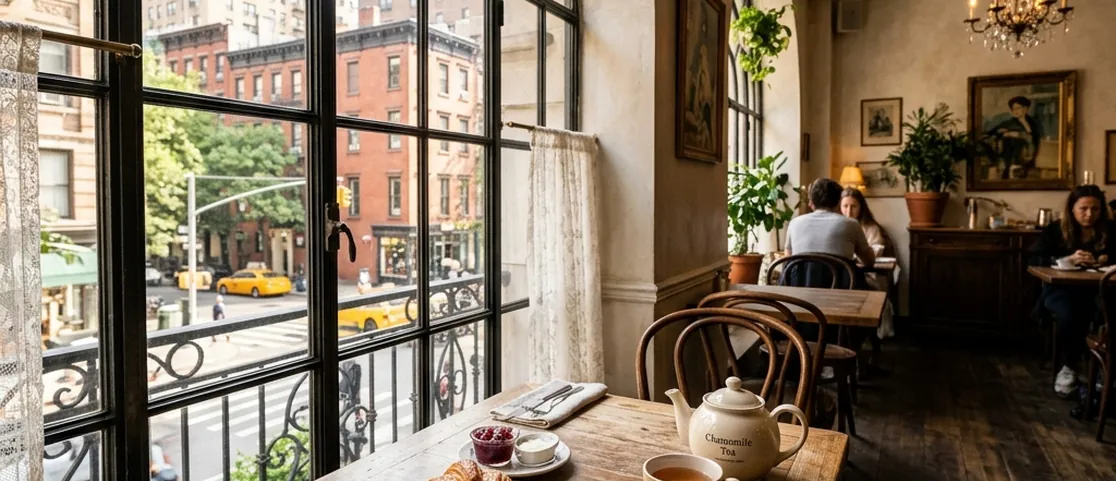
Order what you normally tolerate and enjoy. There is no need to turn breakfast into a performance of “perfect recovery foods.” If you want coffee, have coffee. If you want tea, have tea. If you have dietary or medical needs, follow the guidance that already applies to you rather than something invented for a sightseeing article.
Use the meal to decide whether the day should stay outside, move indoors, or end early. If your energy still feels low after breakfast, the correct itinerary can be a short walk and a hotel afternoon. You do not owe Manhattan a productive recovery day.
Mode A: West Village — lowest decision load
Choose the West Village mode if you are already downtown or want a day with many easy exits. Have breakfast or coffee, walk a few residential blocks, and use the slow-afternoon logic rather than targeting a sequence of landmarks. The streets are busy enough that you will not be isolated, but compact enough that you can change direction without opening a transit app.
When weather is comfortable, move toward Hudson River Park for a bench or short river walk. Set a turn-around point before you start. A recovery walk should end because you still feel fine, not because your feet forced the decision. If wind, heat, or rain makes the river unpleasant, stay inland and sit somewhere else.
This mode works best when the hotel is downtown, dinner will also be downtown, and you do not need a timed attraction. It is the easiest version to shorten to two hours or stretch into an entire quiet afternoon.
Mode B: Central Park East — quiet-zone garden, then leave
Choose Central Park East when your hotel is uptown or you specifically want a formal garden. The Conservatory Garden is Central Park’s formal garden on the east side between 104th and 106th Streets. The Central Park Conservancy lists it as an official Quiet Zone and posts seasonal hours and same-day closure notices.

The garden is a good recovery stop because it has a clear boundary. Enter, walk only the section that feels comfortable, sit, and leave. Do not turn the visit into a full Central Park traverse. Bethesda Terrace, the Reservoir, the Ramble, and the south end are separate outings from 104th Street.
The Conservancy currently lists restrooms and wheelchair-accessible entry through the northwest entrance. Check the official page before leaving because special events can change access. If the garden has a temporary closure, do not improvise a five-mile replacement walk through the park. Use a nearby café, museum, library, or simply return to the hotel.
Mode C: Tribeca — one spa reservation and very little else
Choose Tribeca only if a paid spa session is genuinely the part of the day you want. AIRE Ancient Baths currently operates in Tribeca with scheduled sessions and asks guests to arrive before their appointment. Its current rules emphasize quiet, restrict phones outside reception, and include participation conditions such as age and pregnancy restrictions.
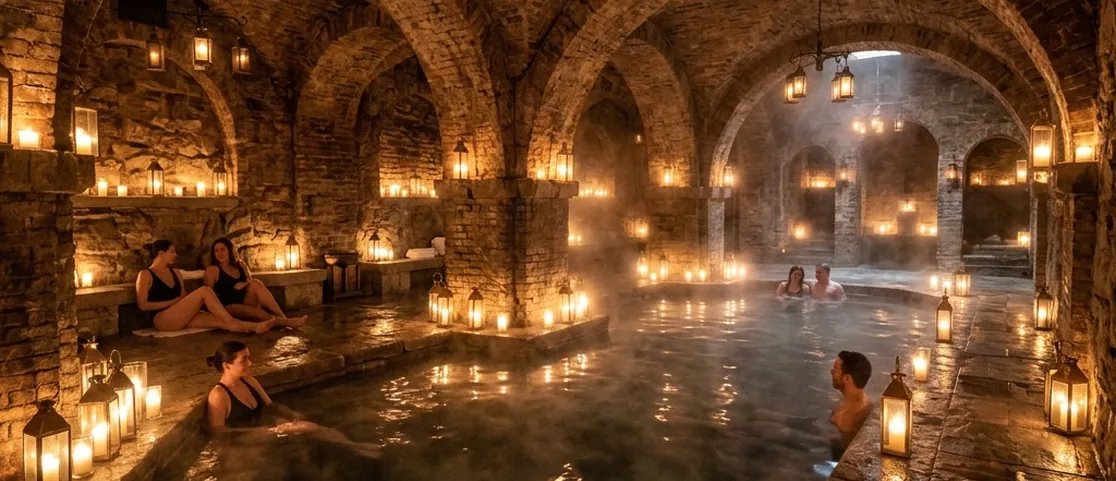
Treat the spa as leisure, not treatment. Do not write a medical story around hot, cold, steam, or flotation experiences. If you enjoy that format and the venue’s rules fit you, it can be a calm paid anchor. If you are hoping a spa will fix an injury or concerning symptom, that is the wrong use of the itinerary.
The important planning advantage is geography. Have an easy meal before or after in Tribeca, then go back to the hotel. Do not add Central Park because the garden is quiet or Governors Island because another spa has a skyline pool. Once you book the paid anchor, the rest of the day should become simpler.
Governors Island / QC: a separate full branch, not an add-on
QC NY is a current spa option on Governors Island, but it is not in Manhattan and it adds ferry logistics. The Governors Island Trust currently runs ferries from the Battery Maritime Building, with schedules subject to change, and QC also publishes its own arrival guidance. QC currently admits guests age 21 and older.
That can still be a good low-stress day when the ferry itself sounds pleasant and the spa is the main event. It becomes a bad recovery plan when you try to do a Manhattan breakfast, Central Park garden, ferry, spa, and downtown dinner on the same day. Pick the island branch or the Manhattan branch.
Reduce steps by changing geography, not chasing a magic number
A single step ceiling is not useful for everyone and can be surprisingly hard to guarantee in Manhattan once subway corridors, hotel hallways, and restaurant detours are counted. Use your own recent step totals as context if you track them, then choose a day that is clearly shorter than the days that wore you out.
The easiest step reduction is not a taxi after every block. It is refusing to cross town for optional stops. One neighborhood can remove thousands of incidental steps and multiple station staircases before you make any special transportation decision.
If stairs or mobility are the actual constraint, use the dedicated accessibility and stroller-style routing logic rather than assuming every subway station or park entrance is equally easy. Recovery planning and accessibility planning overlap, but they are not identical.
Food: choose easy, familiar, and nearby
A recovery meal does not need a health claim. Choose food you normally enjoy, a place where sitting is comfortable, and a location that does not create another commute. A noodle shop, diner, café, hotel restaurant, or simple neighborhood dinner can all work.
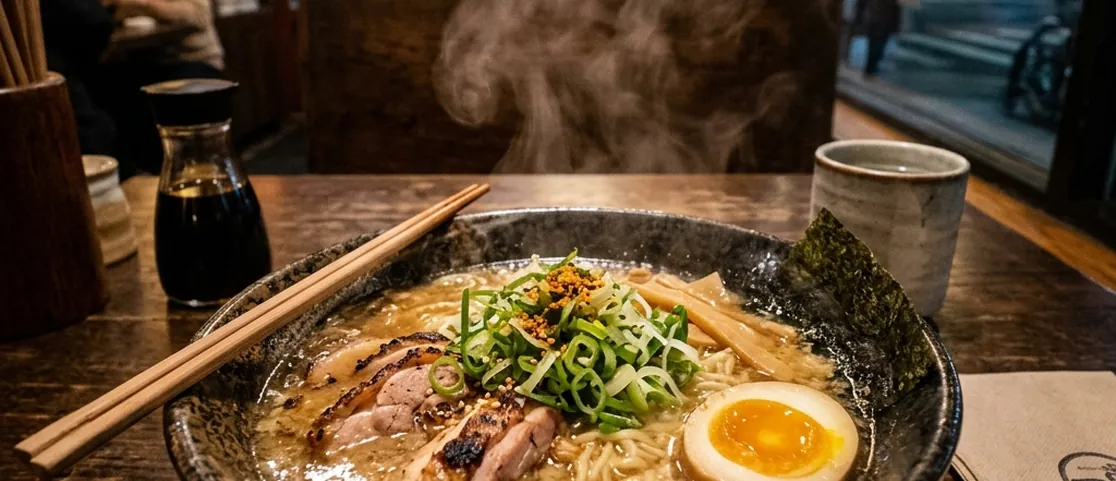
The previous version attached nutritional and sleep-improvement claims to specific food and drink choices. Those claims are outside the job of a Manhattan itinerary guide. If you have nutritional or medical needs, follow appropriate professional guidance. For this plan, the only editorial requirement is that dinner should be easy enough that you are not standing in a long line after deciding to take a low-stress day.
When to cancel the recovery itinerary entirely
A low-stress sightseeing day is for ordinary fatigue. If you are actually sick, hurt, or worried about a symptom, switch from travel planning to care planning. The same-day medical guide exists for that boundary. If it is an emergency, use emergency services rather than an editorial itinerary.
Also cancel the plan when the day itself feels like work. If a spa reservation requires a difficult ferry transfer, skip it. If the quiet garden is far from your hotel, use a closer park. If dinner reservations create a deadline, eat somewhere simpler. Recovery is the rare Manhattan day where choosing less is the entire point.
Three practical versions
Free / almost free
Late breakfast near the hotel, one short West Village or park walk, a long bench break, an early uncomplicated dinner, and back to the room. This is the best choice when cost and energy are both low.
One indoor anchor
Breakfast, one museum or library visit, one nearby meal, and hotel time. Use this version when weather is bad but you still want one meaningful outing.
One spa anchor
Book AIRE in Tribeca or choose the separate Governors Island/QC branch, then build almost nothing else around it. Read current health, age, arrival, cancellation, and participation rules before paying.
The decision in one line
For ordinary travel fatigue, choose one small zone, one optional paid anchor, and one easy dinner; cut transfers before you cut rest, and switch to medical care rather than “wellness” when the problem is illness or injury.
Suggested Route & Mini Plan
1. Decide whether this is ordinary travel fatigue or a health problem. If it is a health problem, stop the itinerary and use appropriate care.
2. Pick one recovery zone near your hotel: West Village, Central Park East, or Tribeca. Do not combine them.
3. Eat somewhere easy, sit longer than usual, and choose one quiet public-space block with a simple exit.
4. Add a spa only if the booking, travel, age rules, and cost still feel easier than a free afternoon.
5. Finish with an uncomplicated meal and return to the hotel before you are tired enough to need another recovery day.
Curated Alternatives
Morgan Library indoor reset
Choose one quiet cultural stop when weather makes outdoor sitting unpleasant. Treat the museum as the whole middle of the day rather than another box between meals and a spa.
Governors Island / QC spa day
Choose this only if the ferry ride and a paid spa session sound easier than staying in Manhattan. QC is on Governors Island, not Manhattan, and currently admits guests age 21 and older.
Frequently Asked Questions
What is the quietest public-space option in this guide?
Central Park Conservatory Garden is an official Quiet Zone. The Central Park Conservancy currently lists it on the east side between 104th and 106th Streets, with seasonal hours and accessible entry through the northwest entrance. Check same-day notices because events can cause temporary closures.
Should I book a spa because my legs hurt after walking?
A spa can be a leisure choice, but this guide does not treat it as medical treatment. If discomfort feels like an injury or health problem, get appropriate medical advice instead. If you simply want quiet downtime, read the spa’s current participation rules and choose it only if the travel and booking commitment still feel low-stress.
How do I keep a recovery day from becoming another busy itinerary?
Choose one zone, one optional paid anchor, and one dinner area. Do not combine Central Park, Tribeca, Governors Island, and the West Village in the same “recovery” day. The biggest reduction in friction usually comes from fewer transfers and fewer fixed times.
Our recommendations are handpicked independently. No paid placement, no sponsored rankings. How we choose