
Central Park, the High Line, or The Cloisters
You cannot do Central Park, the High Line, and The Cloisters well in one day. Pick one by time, walking load, weather, and whether you want lawns, an elevated walk, or a quiet museum north.

⚡ At a Glance Overview
Why We Chose This
Visitors stack these three pins because each is famous; geography and time make them mutually exclusive half-days. A comparison routes readers to the Cloisters spotlight for Fort Tryon detail instead of duplicating ticket tables.
Editorial Notes & Caveats
You cannot do all three well in one day—not with lunch, bathrooms, and honest looking time. This piece compares one outdoor-cultural investment; it does not replace the Cloisters article’s ticket and A-train detail. Hudson Yards weekend crowds can make the High Line’s northern end feel like a queue; spring blossom timing for park walks is a different calendar than summer heat with kids.
Visitors often save Central Park, the High Line, and The Cloisters on the same map pin list—as if green space, an elevated rail park, and a medieval museum in Fort Tryon Park were three quick stops between brunch and a show. They are three different time investments on three different parts of the island. Choosing one well beats photographing all three poorly.
This guide is for travelers who have half a day or less to spend on one outdoor-cultural anchor—not for people building a three-day geography map (that lives in the three-day without-backtracking piece) or for readers who already committed to Fort Tryon (open the Cloisters spotlight for that ride). Pick one option, protect two to four hours, and cut the other two without guilt.
Decision table: which one fits your trip
- Central Park when you want free skyline lawns, benches, and a walk that does not require a ticket—best with kids, picnic lunch, or a museum on the park edge.
- High Line when you want an elevated city walk through Chelsea with optional market food—best in dry weather, weekday morning, light luggage.
- Cloisters when you want medieval rooms, tapestries, and a Hudson park above the city—and you can protect transit plus about two hours inside.
- Skip trying to stack all three on one calendar day.
- Rain: park paths shrink; High Line becomes exposed; Cloisters indoor rooms still work—see rainy alternatives below.
If your hotel sits on the Upper West Side, Central Park is the default honest walk. If you are already in Chelsea for galleries, the High Line is a segment—not a cross-town add-on from the memorial downtown. If you are in Midtown with one free afternoon, do not ride to Fort Tryon unless the Cloisters is the afternoon—not a photo stop before dinner in SoHo.
Time budget is the honest filter. Two to four hours fits one of these well; six hours across two boroughs does not. Luggage matters on stairs at High Line entrances. Strollers fit Central Park paths better than narrow rail-deck bottlenecks. Rain and heat push the decision before Instagram aesthetics do.
Central Park: when it is the right pick
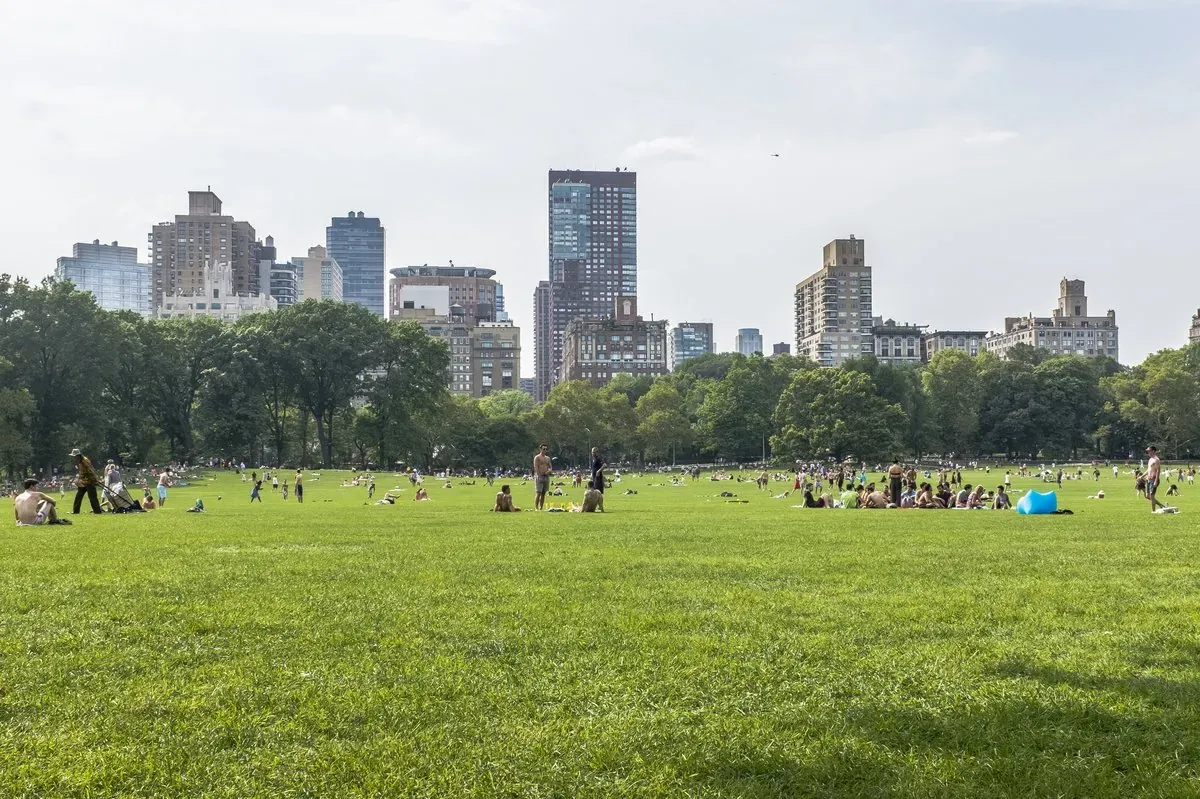
Central Park is Manhattan’s large free green grid—843 acres managed by the Central Park Conservancy with posted hours (typically 6:00 a.m.–1:00 a.m.). You do not buy a gate ticket; you budget time, shade, and bathrooms. The park fits when you want skyline and grass without a museum commitment, when kids need running room, or when your day already lives uptown.
Start at 72nd Street or Columbus Circle and walk south with benches built in: Bethesda Terrace, the Mall, or Sheep Meadow. The eat-near-Central-Park guide helps when takeaway is not enough; the Upper West Side family day shape pairs when AMNH or playgrounds sit on the same calendar. Spring blossom walks and summer-with-kids heat notes live in seasonal guides—use them when weather is the real decision, not which pin looks best on a map.
Choose Central Park over the High Line when strollers, picnic lunch, or a long sit-down on grass matters more than industrial chic. Choose it over the Cloisters when you cannot spare a long A-train ride and two hours inside stone rooms. The one-day first-visit uptown spine assumes park time here—not a detour to Chelsea and back.
Museum edges do not require a second outdoor pin. AMNH on the west, the Met on the east—each can anchor a park morning without a High Line march afterward. Summer-with-kids guidance often keeps families on shaded lawns longer than on exposed rail decks; spring walks add blossom timing when the question is season, not fame.
The High Line: when it works—and when Chelsea crowds ruin it
The High Line is a 1.45-mile elevated park built on a former freight rail line, running roughly from Gansevoort Street in the Meatpacking District to 34th Street near Hudson Yards. Friends of the High Line posts hours and any closure alerts—verify before you climb the stairs. Entry is free; the experience is walking, looking, and optional food stops below.
It fits when you are already west of Midtown, when luggage is light, and when you want a structured city walk without a ticketed museum block. Weekday mornings near opening reduce stair-queue friction; weekend midday near Hudson Yards can feel like a tourist funnel—narrow deck, slow photos, loud groups. If crowds are the problem, shorten to the southern half from Gansevoort to Chelsea Market, eat indoors, and skip the northern tower cluster.
The Chelsea neighborhood hub and art-food walk route treat the High Line as one segment inside a Chelsea afternoon—not a island-wide hero day. Do not pair a full High Line march with Central Park in the same morning; that is backtracking geography. Heat and sun exposure are real on the rail deck—summer with kids often points you back to shaded park lawns instead.
If the High Line wins because Chelsea itself is the afternoon, continue with the Chelsea neighborhood hub for the neighborhood-level fit/skip decision.
If galleries, food, and the High Line should become one executable route, use Chelsea for Art, Food, and a Long Walk instead of stretching this three-way comparison into a Chelsea itinerary.
Hudson Yards and the northern stair crowds are the usual failure mode. If the deck feels like a queue, descend at Chelsea Market, eat indoors, and call the walk complete. You do not owe the full 1.45 miles to a guidebook—partial walks are valid when energy and weather are finite.
The Cloisters: when the half-day north is justified
The Met Cloisters in Fort Tryon Park is a branch of the Metropolitan Museum of Art—medieval architecture reassembled, gardens when weather allows, and the Unicorn Tapestries as the headline object. It is not a twenty-minute uptown detour. From Midtown, the A train to 190th Street (or the accessible 181st Street plus M4 route) is the cost of admission before you buy a ticket.
Choose the Cloisters when architecture and quiet galleries matter more than a free skyline lawn—when you can protect about two hours inside plus transit, and when rain would ruin a park day anyway. Skip it when your trip is already a downtown harbor day, when toddlers need playgrounds more than tapestries, or when you only want to say you visited “the Met” without leaving Fifth Avenue.
Ticket prices, same-day Fifth Avenue entry rules, elevator notes, and garden caveats belong in the Cloisters spotlight article. This comparison only asks whether Fort Tryon deserves the afternoon slot—not how to read every gallery label once you arrive.
Once the Cloisters wins the comparison, switch to the Cloisters spotlight for current visit logistics, access notes, and the full half-day tradeoff.
Return visitors sometimes choose the Cloisters precisely because Central Park already happened on a prior trip. First-timers with only one green-space afternoon usually win with the park unless medieval architecture is the reason they booked the flight.
Rainy alternatives
Rain changes the math. Central Park shrinks to covered arches, museum lobbies on the park edge, and shorter loops—still workable with umbrellas and patience. The High Line is exposed metal and concrete; a steady downpour makes it a poor primary plan unless you only need twenty minutes between indoor stops in Chelsea. The Cloisters keeps indoor medieval rooms; gardens become look-through, not half the visit.
Accessibility differs. Central Park paths vary; some arches and lawns are easier with wheels than cobblestone village detours. High Line access is stair-first at many entrances—check official access pages if elevators matter. Cloisters has an accessible A-train plus M4 routing documented by the Met; still budget time for park grades outside.
When weather is ugly, open the rainy-day guide before you force an outdoor comparison winner. A wet day is often better as one museum plus one food hall—not as a heroic High Line march because it is “free.”
If rain has become the main decision, leave this comparison and use the rainy-day Manhattan guide for indoor sequencing rather than forcing an outdoor winner.
Light drizzle versus steady rain matters. Central Park under light rain with a good jacket can still work for a short loop; the High Line in steady rain is mostly misery. Cloisters indoor rooms remain the strongest rainy anchor among the three—if you already accepted the ride north.
Mini-plans: two to four hours each
Central Park (about 2–3 hours): Subway to 72nd or Columbus Circle; walk south through Bethesda or Sheep Meadow; bench lunch or coffee on the west side; one bathroom stop; turn back before you “just see” Midtown. Add a museum only if you cut a second neighborhood afterward.
High Line (about 2–3 hours): Enter at Gansevoort or 14th Street on a weekday morning; walk north to Chelsea Market or 23rd Street; lunch indoors at the market; descend before Hudson Yards crush if crowds spike. Pair with the Chelsea art-food walk only if galleries are the point—not as a third geography after downtown.
Cloisters (about half day): Check A-train service and Cloisters hours; ride to 190th Street elevator or 181st plus M4; walk Fort Tryon approach; two hours inside focusing on one cloister, tapestries, and gardens if dry; ride back without stacking The Met Fifth Avenue unless that was a separate earlier plan.
Pairing logic: Central Park plus a museum on the same side of the park is a full day—do not add the High Line that evening. High Line plus Chelsea Market lunch is a Chelsea afternoon—do not start at the memorial downtown. Cloisters plus anything south of 125th Street is two trips—protect the northern afternoon or postpone Fort Tryon.
Photography goals differ. Central Park delivers skyline and lawn scale. The High Line delivers linear city texture and Hudson glimpses. The Cloisters delivers stone courts and tapestry rooms—low light, quiet pace. Pick the camera story you actually want, not the story that fits three transit hops.
The final call is subtraction. Central Park for free green and uptown pace. The High Line for an elevated Chelsea walk when weather and crowds cooperate. The Cloisters for medieval rooms when transit time is part of the pleasure—not an accident you resent at rush hour.
Suggested Route & Mini Plan
- List your half-day: kids, luggage, hotel neighborhood, weather.
- Pick one: park lawns, Chelsea elevated walk, or Fort Tryon museum.
- Cut the other two without stacking cross-town transfers.
- Confirm hours: Conservancy (park), Friends of the High Line, Met Cloisters.
- Rain? Swap to rainy-day guide or Cloisters indoor rooms.
Curated Alternatives
The Cloisters: is the trip to Fort Tryon worth it?
Fort Tryon deserves its own half-day decision once you already chose the Cloisters. Ticket tables, transit, and garden hours live in the Cloisters spotlight—not here.
Chelsea art and food walk
Chelsea as a full afternoon—galleries, market lunch, High Line segment—is a neighborhood route, not a three-way comparison. Use it when art and food anchor the day.
Rainy-day Manhattan plan
Rain removes the outdoor honesty of this choice. Swap to indoor sequencing before you force an elevated park in a downpour.
Frequently Asked Questions
Can I visit all three in one day?
No—not with lunch, transit, and honest time inside or on foot. Pick one for a half-day anchor. Multi-day trips can assign park, Chelsea, and Fort Tryon to different calendar days via the three-day geography guide.
Which is best for a first-time visitor?
Central Park is free and fits kids, picnics, and uptown hotel geography. The High Line is free but exposed and crowd-sensitive near Hudson Yards. The Cloisters charges Met admission and requires a long subway ride—better for architecture and tapestries than for a quick green break.
When is the High Line least crowded?
Weekday mornings. Weekend midday near the northern end stacks tourists. If stairs are full, walk the southern segment from Gansevoort through Chelsea Market and stop—do not treat the full 1.45 miles as mandatory.
Is the Cloisters a good rainy-day pick?
Indoor galleries still work; outdoor gardens shrink. It can beat an exposed High Line in steady rain. It is still a half-day north on the A train—not a rainy substitute for a twenty-minute park bench if you are staying downtown.
Where are Cloisters tickets and hours explained?
Ticket prices, hours, elevator routes, and same-day Met Fifth Avenue policy are in the Cloisters spotlight. Verify figures on metmuseum.org when you travel—do not rely on this comparison for current admission numbers.
Our recommendations are handpicked independently. No paid placement, no sponsored rankings. How we choose