
The Cloisters: Is the Trip to Fort Tryon Worth It?
The Cloisters sits in Fort Tryon Park, not Midtown. Decide whether the A-train ride, two hours inside, and a Hudson-facing park walk are the afternoon you actually want.

⚡ At a Glance Overview
Why We Chose This
The Cloisters is the only Manhattan museum whose reconstructed monastic architecture and park setting are the main exhibit. The uptown trip is the filter: readers who will not spend transit plus about two hours should use The Met Fifth Avenue instead of treating Fort Tryon as a checkbox.
Editorial Notes & Caveats
The 190th Street A-train station is deep; the Met’s own directions tell visitors to use the elevator. Park paths include grades. Gardens are outdoor and weather-dependent. Hours, exhibitions, and any on-site café change; the Met has also warned that weekend A-train work can affect the trip. Do not count on a full meal inside the museum. Combining the Cloisters and The Met Fifth Avenue on one ticket is allowed; doing both well in one day usually is not.
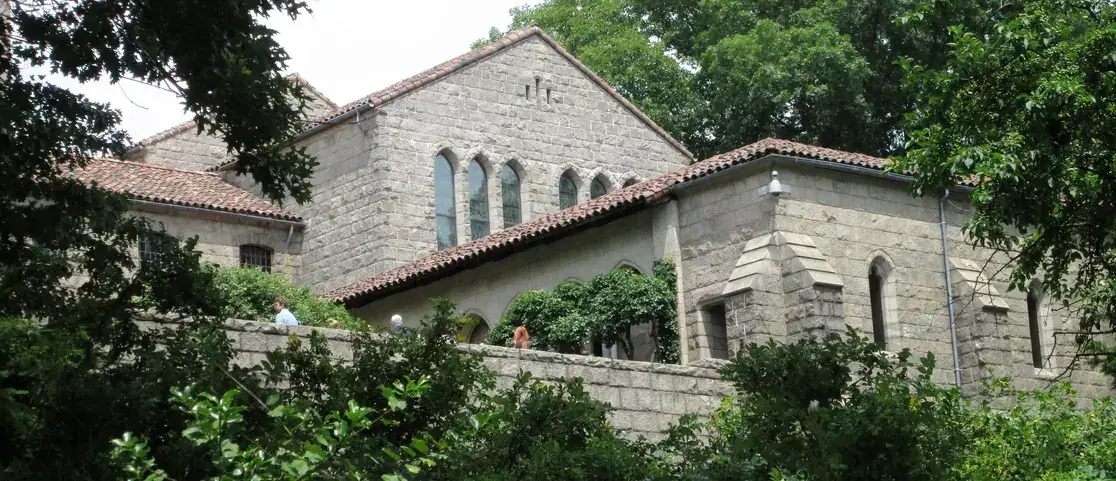
The Cloisters is not a side trip you squeeze between two Midtown appointments. It is a branch of the Metropolitan Museum of Art in Fort Tryon Park, at 99 Margaret Corbin Drive, near the top of Manhattan. The building is the reason to go: reconstructed cloisters and chapels assembled from European monastic architecture, set above the Hudson. The question is whether that setting is worth the ride.
If you want medieval rooms, enclosed gardens, and a park walk in the same visit, the trip pays off. If you mainly want to say you saw the Met, stay on Fifth Avenue. The Cloisters will feel remote, and you will spend more time in transit than in front of objects.
Who should make the trip
Go if architecture and atmosphere matter as much as famous names. The Unicorn Tapestries are the collection most readers already know; the Cuxa cloister and the outdoor courts are what you cannot reproduce downtown. The visit fits people who can give the northern end of the island a half-day: transit, two hours inside, and a short walk in the park if the weather holds.
Skip it, or postpone it, if your day is already built around Times Square, the Fifth Avenue Met, or a tight airport transfer. Skip it with small children who need playgrounds and frequent snacks more than quiet galleries. Skip it in a storm unless you are committed to an indoor-only museum visit and have checked that you can still reach 190th Street without a long substitute-bus surprise.
What you are actually visiting
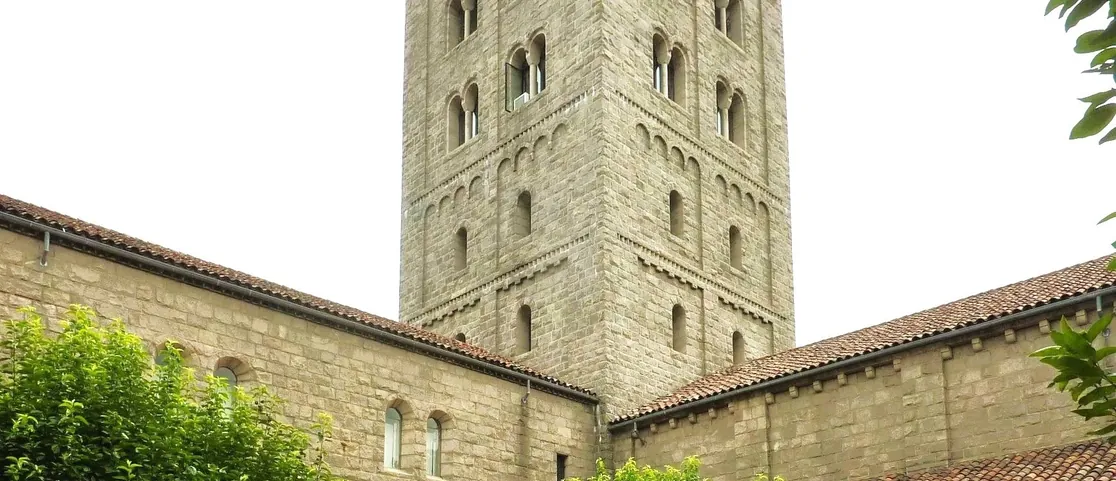
The museum’s public name is The Met Cloisters. It opened in 1938 as the Met’s branch for the art and architecture of medieval Europe, on land in Fort Tryon Park associated with John D. Rockefeller Jr.’s gift of the park and the collection. The structure is not a copy of one European monastery. Portions of cloisters, chapels, and doorways were brought from sites in France and Spain and rebuilt here, with modern galleries around them.
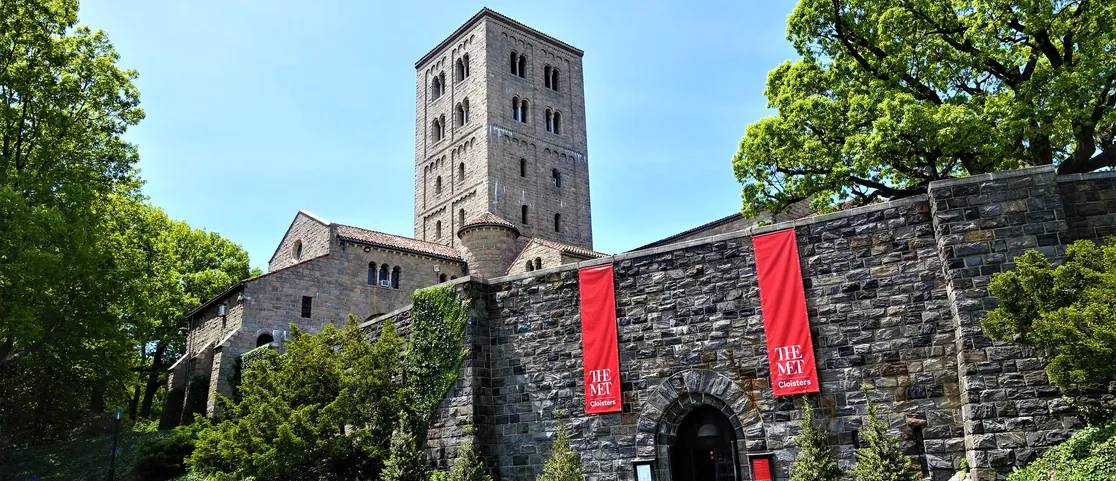
That reconstruction is the editorial point. At Fifth Avenue, medieval art sits inside a Beaux-Arts palace among Egyptian rooms and European paintings. At the Cloisters, you walk through a sequence of courts and stone rooms whose scale is closer to a monastery than a civic museum. If that sequence does not interest you, the ride will not magically make it interesting.
The ride is part of the decision
From Midtown, the A train to 190th Street is a long Manhattan subway trip, not a two-stop hop. The Met’s current directions are specific: take the A to 190th Street, leave by elevator, then walk north along Margaret Corbin Drive through Fort Tryon Park for about ten minutes, or take the M4 bus one stop to Margaret Corbin Drive / Cloisters.
For a fully accessible public-transit route, the Met tells visitors to take the A to 181st Street, exit by elevator, and transfer to the M4 for seven stops to the same Cloisters stop. That is the version to use with a wheelchair, a stroller that cannot manage park grades, or anyone who should not count on the 190th Street elevator being a pleasant surprise.
Do not treat a travel-blog time estimate as a schedule. Weekend track work on the A is common enough that the Met itself tells visitors to check the MTA before they go. Build a buffer. If you cannot spare that buffer, you do not have a Cloisters day; you have a stressful errand.
What to see without turning the visit into a checklist
Give most of your indoor time to three things: one cloister, the gardens if they are open to the weather you have, and the Unicorn Tapestries. Everything else is optional depth, not a requirement.
The Cuxa cloister
The Cuxa cloister is the architectural center of the visit: a reconstructed walk around a garden, using marble elements from the abbey of Saint-Michel-de-Cuxa in the French Pyrenees. Walk the arcade slowly. The point is the repeated columns, the enclosed court, and the way the museum uses daylight, not a race to the next gallery label.
Gardens and the park edge
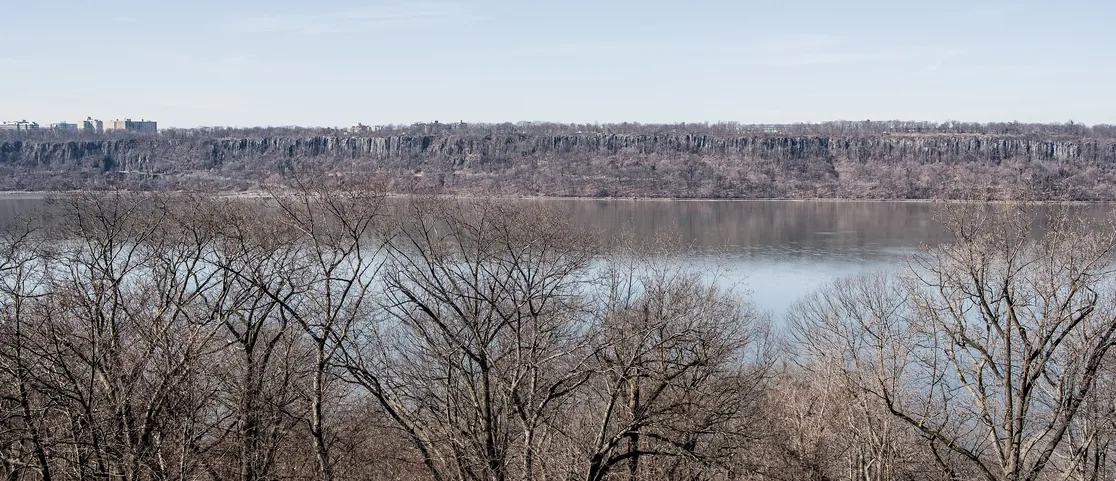
Bonnefont and Trie are the outdoor cloister gardens most visitors photograph from the park side as well as from inside. They are planted with a medieval-garden logic—useful plants, enclosed beds—but they are still outdoor spaces. On a wet or frozen day they shrink to a look-through, not a second half of the visit. Save thirty minutes for Fort Tryon Park after you leave if the sky is decent: the Hudson and the Palisades are the setting Rockefeller wanted around the museum, and they cost nothing extra.
The Unicorn Tapestries
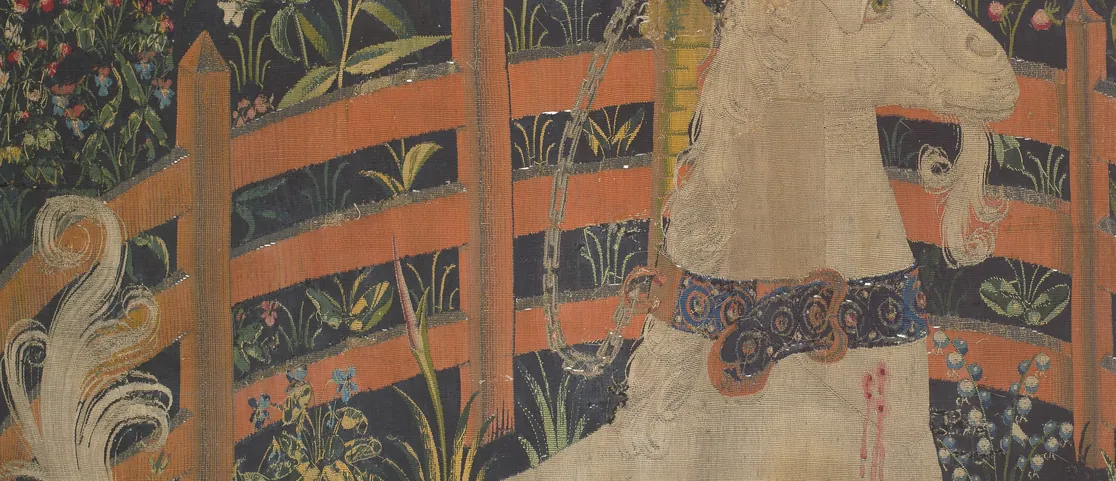
The Unicorn Tapestries are the objects people travel for even when they do not care about cloisters. They are late medieval South Netherlandish tapestries in the Met’s collection, shown at the Cloisters. Lighting is kept low to protect the wool and silk. You will not speed-read them. If they are the only reason you came, you can still walk the rest of the building; you do not have to perform a complete medieval survey to justify the ticket.
Time, tickets, and the Fifth Avenue trap
Two hours inside is enough for a first visit that includes the main cloisters, one tapestry room, and a pass through the other galleries without jogging. Ninety minutes is tight but possible if you skip the park. Three hours only makes sense if you are lingering in the gardens or reading every label. A full day is almost always too much unless you are combining the museum with a long park walk and a meal farther south in Inwood.
Admission, checked on 19 August 2026 from the Met’s Cloisters visit information, was $30 for adults, with lower prices for seniors and students and free entry for children 12 and under. New York State residents and qualifying tri-state students may pay what they wish in person or, for New York billing addresses, through the Met’s online process; the museum still requires that you pay something. Members enter free. Treat those numbers as dated. The Met changes them.
The same general-admission ticket currently covers The Met Fifth Avenue on the same calendar day. That is a real policy, and it is a bad itinerary for most visitors. You would add a long subway ride between two large museums and arrive at the second one already tired. Use the dual entry if you already planned Fifth Avenue in the morning and have an unusual amount of stamina. Do not plan the Cloisters as a “while we’re up there” afterthought after the Egyptian wing.
Food, restrooms, and leaving
Assume you will not eat a full meal inside. The Met has operated a seasonal café at the Cloisters; whether it is open on your date is a fact to check on the visit page, not a plan you should bet a hungry group on. Eat before you ride north, or continue into Inwood afterward and look for a meal around Dyckman Street. Restrooms are inside the museum; park restrooms are a backup, not a reason to delay buying a ticket if someone already needs one.
When you leave, you retrace Margaret Corbin Drive to the 190th Street elevator or pick up the M4. If the park is the part you liked, walk south through Fort Tryon toward the Linden Terrace views before you descend. If the museum was enough, go directly to the station. Do not invent a second cultural stop in Washington Heights unless you already researched its hours; stacking two uptown institutions is how the half-day becomes a slog.
A half-day that stays geographically honest
The compact version is: ride the A, walk the park approach, spend two hours inside, walk one park terrace, ride back. That is a complete Manhattan afternoon. It is not a downtown-plus-Cloisters sandwich. If rain starts, drop the garden and terrace and keep the indoor rooms. If the elevator line at 190th is a mess, use the 181st Street plus M4 route even if you do not need it for accessibility.
This is a poor substitute for a kid-first museum day; use museums by age.
Do not pair this with a downtown landmark day; that is a separate Lower Manhattan itinerary.
If you only want a quiet park, you may need a recovery day closer to your hotel.
The final call
The trip to Fort Tryon is worth it when you want a medieval museum that behaves like a walk through courts and gardens, and you can protect the time that walk requires. It is not worth it as a trophy photograph after a Midtown morning. Decide before you swipe into the subway: either this is the afternoon, or it waits for another day.
Before you give The Met another hour, use the Met Fifth Avenue time-box guide before treating the two Met locations as one casual same-day museum stop.
Suggested Route & Mini Plan
- Check today’s Cloisters hours and A-train service before you leave.
- Take the A to 190th Street and use the elevator, or use 181st Street plus the M4 if you need a fully accessible route.
- Walk Margaret Corbin Drive through Fort Tryon Park to 99 Margaret Corbin Drive.
- Spend about two hours inside: Cuxa cloister, gardens if weather allows, Unicorn Tapestries, then whatever else still has your attention.
- If the sky is decent, walk one park terrace for the Hudson view. Ride back. Do not add The Met Fifth Avenue unless that was already a separate, earlier plan.
Backup: bad weather means indoor galleries only. A-train trouble means the 181st Street plus M4 approach. Hunger means Inwood after the visit, not a bet on the museum café.
Curated Alternatives
The Met Fifth Avenue, if you will not leave Midtown
The Fifth Avenue building has medieval galleries you can reach without leaving Midtown. Use it when the art matters more than gardens, cloisters, and a park above the Hudson.
Fort Tryon Park without the museum
Fort Tryon Park is free and the Hudson view does not require a ticket. Walk the park when the museum is closed, when admission is a poor fit, or when weather is the only reason you came north.
The Morgan Library & Museum, if the ride is the obstacle
The Morgan is still a human-scale museum visit, but it sits in Murray Hill. Choose it when the problem is travel time, not a wish for medieval rooms and outdoor courts.
Frequently Asked Questions
How do you get to the Cloisters without a taxi?
The Met’s directions: A train to 190th Street, elevator to the street, then about a ten-minute walk north on Margaret Corbin Drive through Fort Tryon Park, or the M4 bus one stop to Margaret Corbin Drive / Cloisters. The accessible version is the A to 181st Street by elevator, then the M4 north seven stops. Check the MTA for A-train changes before you go.
Does a Cloisters ticket include The Met Fifth Avenue?
On 19 August 2026, Met general admission listed for the Cloisters also covered same-day entry to The Met Fifth Avenue. Confirm on the Met site when you buy. Using both buildings in one day is allowed; it is usually too much walking and transit for one ticket to feel like a bargain.
How long should a first visit take?
Plan two hours inside for a first visit. Add time for Fort Tryon Park if the weather is decent. Ninety minutes works only if you skip the gardens and park. Do not budget a Cloisters stop as forty-five minutes between other plans.
Is the Cloisters a good idea with children?
Older children who can handle quiet galleries and a long subway ride may do well, especially if the tapestries or the cloister garden are the hook. It is a weak plan for toddlers who need space to run. The park can absorb extra energy after the museum; it cannot replace stroller-friendly restrooms and snacks you failed to pack.
What if it rains?
The indoor rooms still work. The gardens and the park approach do not. If you dislike stone interiors in bad weather, do not go. If you will be satisfied with tapestries and cloister arcades, rain is annoying, not a reason to cancel, provided the subway is running.
Our recommendations are handpicked independently. No paid placement, no sponsored rankings. How we choose