
Choosing a Dentist in Manhattan: A Practical Checklist
A practical local guide to choosing a qualified dentist in Manhattan. Learn how to verify credentials, check insurance networks, evaluate technology, and request itemized fee estimates.

⚡ At a Glance Overview
Why We Chose This
Rather than ranking dental practices by advertising spend or superficial office aesthetics, this guide outlines a 5-step objective framework focusing on licensing, insurance transparency, technology, and emergency access.
Editorial Notes & Caveats
Under New York State Public Health Law, patients have a legal right to request digital copies of their X-rays and dental charts. Never let a new clinic force redundant X-rays if you recently had them taken elsewhere.
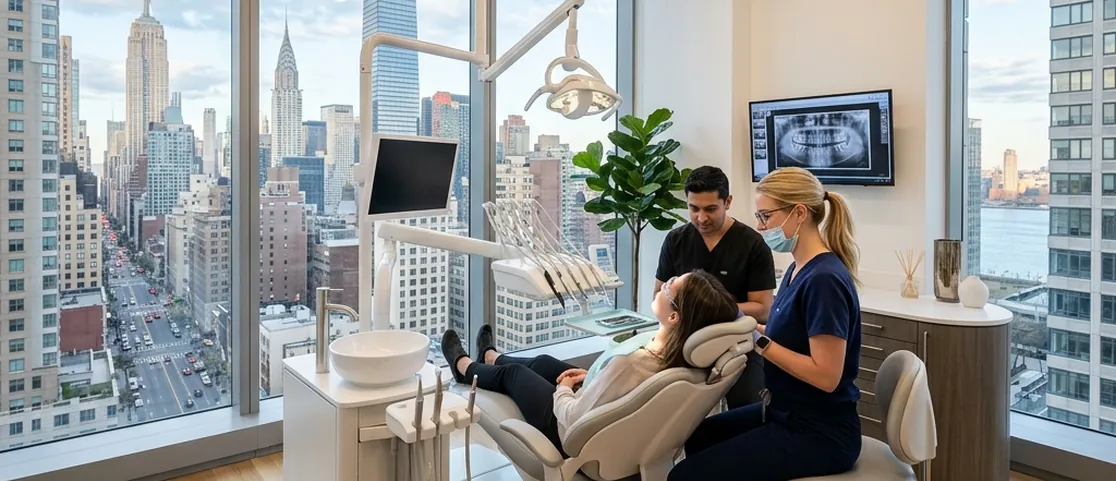
Selecting a dentist in Manhattan can feel surprisingly complex. With over 4,000 licensed dental practitioners operating across the borough—ranging from high-rise corporate suites in Midtown to street-level boutique practices in SoHo and neighborhood offices on the Upper East Side—navigating your options requires clear criteria.
Unlike general medical care, dentistry blends preventative medicine, surgical procedures, and elective cosmetic work under one roof. Because business models vary widely, choosing the right practice means balancing professional credentials and technological capabilities with fee transparency and scheduling convenience.
To find a reliable long-term dental home in Manhattan, evaluate potential practices using a structured 5-step checklist.
1. Credential Verification and Specialist Networks
Start by verifying the dentist’s educational background and professional standing. In New York, general dentists hold either a DDS (Doctor of Dental Surgery) or a DMD (Doctor of Medicine in Dentistry)—degrees that represent identical clinical training.
Look for active membership in reputable professional organizations, such as the American Dental Association (ADA) and the Dental Society of the State of New York (NYSDA). These memberships require adherence to strict ethical standards and mandatory continuing education.
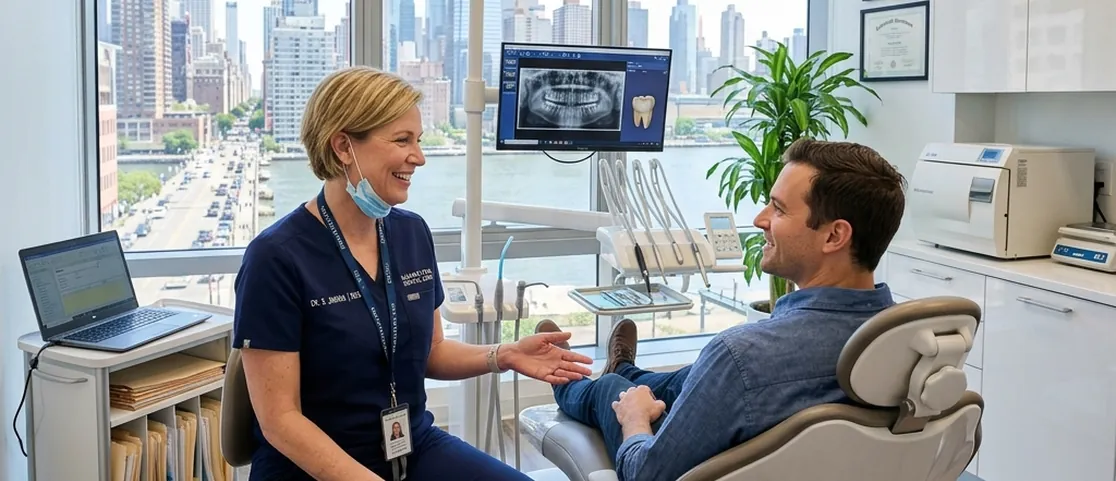
If you require specialized care—such as root canal treatment, gum surgery, or teeth straightening—verify whether the practice features board-certified specialists (Endodontists, Periodontists, or Orthodontists) on site, or maintains a dedicated referral network of local specialists.
2. Insurance Compatibility and Fee Transparency
Understanding dental insurance in Manhattan is critical for controlling healthcare expenses. Most dental plans operate on a Preferred Provider Organization (PPO) model.
In-network PPO dentists have contracted with your insurance carrier to accept capped reimbursement rates. Preventative care (exams, bi-annual cleanings, and routine X-rays) is typically covered at 80% to 100%. If you visit an out-of-network dentist, you will be responsible for the difference between the provider’s fee and what your insurance company considers "Usual, Customary, and Reasonable" (UCR) for Manhattan.
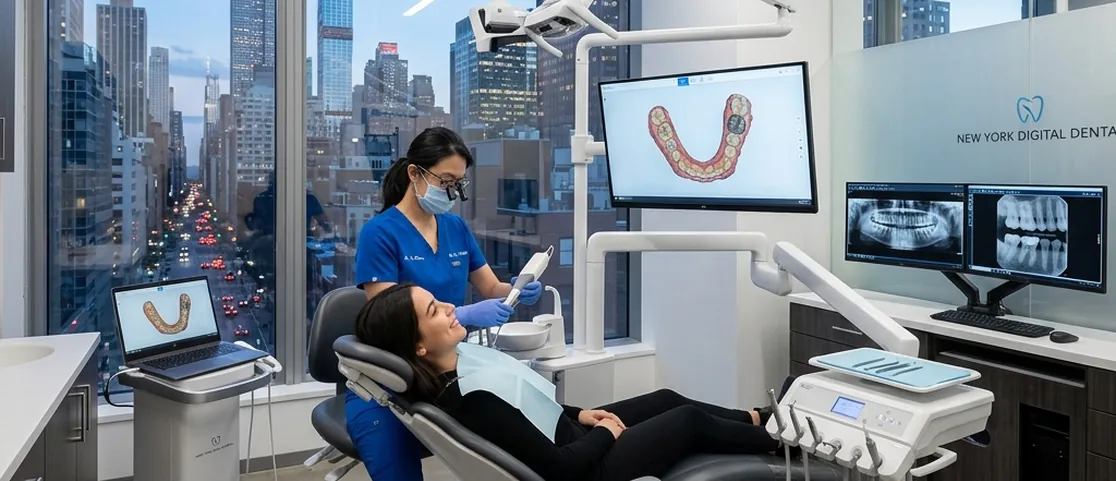
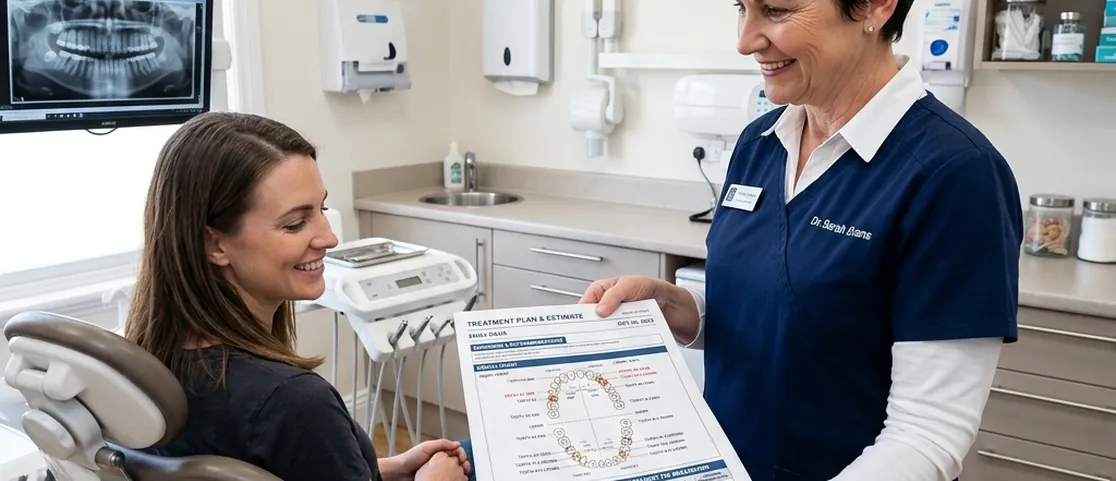
Before agreeing to any non-preventative procedure (such as crowns, fillings, or nightguards), ask the office manager for a written pre-treatment estimate. A transparent practice will provide an itemized breakdown showing procedure codes, total cost, estimated insurance coverage, and your exact out-of-pocket balance.
3. Digital Technology and Diagnostic Standards
Modern dental technology directly improves patient comfort, diagnostic accuracy, and treatment longevity. When visiting a prospective office, observe whether the practice uses modern equipment.
Digital X-rays reduce radiation exposure by up to 80% compared to traditional film while providing instant high-resolution images on chairside monitors. Intraoral cameras allow dentists to show you real-time close-up video of your teeth, helping you see cracked enamel or decay firsthand.
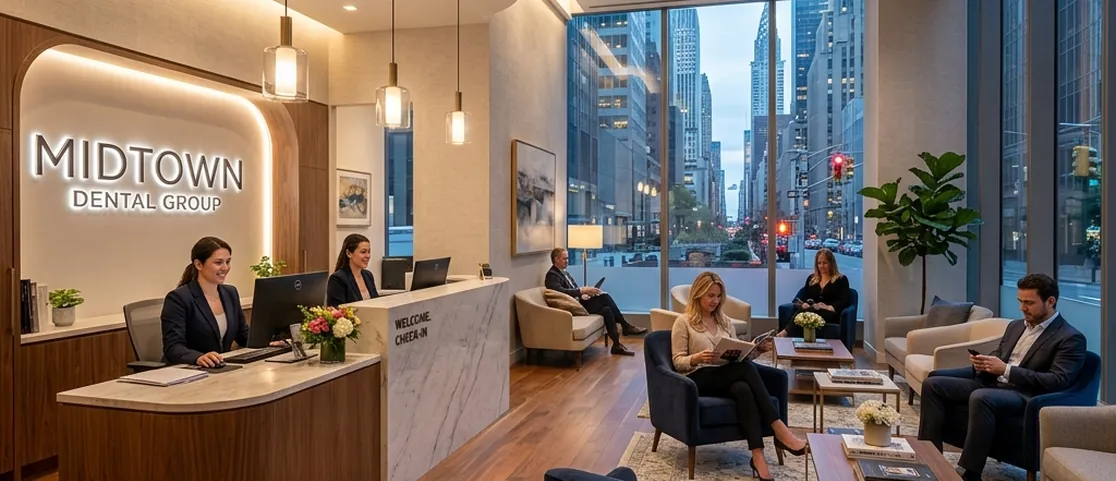
For crowns, implants, or clear aligner therapy, leading Manhattan clinics utilize 3D intraoral scanners (such as iTero or TRIOS), replacing messy traditional putty impressions with rapid digital 3D scans.
4. Location and Hours That Fit Your Schedule
In a fast-paced city, appointment convenience often determines whether you maintain regular preventative care. Consider whether you prefer a dentist located near your home or near your workplace.
Midtown corporate practices near Grand Central, Rockefeller Center, or Wall Street cater to working professionals by offering early 7:00 AM hygiene appointments or rapid lunch-hour visits. Residential practices on the Upper East Side, Upper West Side, or Downtown often provide late afternoon and Saturday appointment slots.
5. Emergency Access and Recognizing Red Flags
Dental emergencies—such as severe tooth pain, a lost crown, or a chipped tooth—happen unexpectedly. Ask prospective practices about their emergency coverage protocol. Reliable clinics reserve dedicated daily slots for acute pain cases and provide an after-hours emergency phone number.
Finally, be vigilant regarding aggressive upselling. If a new dentist recommends replacing multiple existing fillings or insists on costly cosmetic procedures during a routine cleaning, exercise caution. Ask the provider to prioritize treatments by urgency: immediate health concerns versus optional cosmetic improvements. Under New York law, you have a right to digital copies of your X-rays to seek a neutral second opinion before undergoing extensive work.
Suggested Route & Mini Plan
1. Verify state licensing and active memberships in professional associations (ADA, NYSDA).
2. Contact your dental insurance provider to confirm whether the dentist is in-network PPO.
3. Check office hours and location convenience relative to your home or Midtown office.
4. Request a written, itemized treatment estimate prior to any non-preventative procedure.
Curated Alternatives
University Dental Clinics (NYU College of Dentistry)
If you are uninsured or seeking lower-cost dental care, university dental teaching clinics offer comprehensive care supervised by faculty specialists at reduced fees.
Hospital Dental Departments (Mount Sinai / NY-Presbyterian)
For medically complex patients or severe facial trauma requiring oral surgery under general anesthesia, hospital-affiliated clinics provide integrated medical care.
Frequently Asked Questions
What is the difference between a DDS and a DMD degree in New York?
There is no difference in training or scope of practice. DDS (Doctor of Dental Surgery) and DMD (Doctor of Medicine in Dentistry) are identical doctoral degrees awarded by different dental schools under the same state licensing standards.
How do dental insurance PPO networks work in Manhattan?
In-network PPO dentists agree to pre-negotiated contracted rates for procedures, reducing out-of-pocket costs. Out-of-network dentists charge their standard fees, and your insurer reimburses based on "Usual, Customary, and Reasonable" (UCR) rates.
What should I do if a dentist recommends extensive work I was not expecting?
Request an itemized treatment estimate with ADA procedure code numbers. Ask for your digital X-rays and seek an independent second opinion before committing to non-urgent restorative or cosmetic procedures.
Our recommendations are handpicked independently. No paid placement, no sponsored rankings. How we choose