
One Day in Manhattan If It Is Your First Visit
Pick one first-day spine—Central Park plus one neighborhood, or Lower Manhattan to the bridge—and refuse the checklist that crosses the island twice.

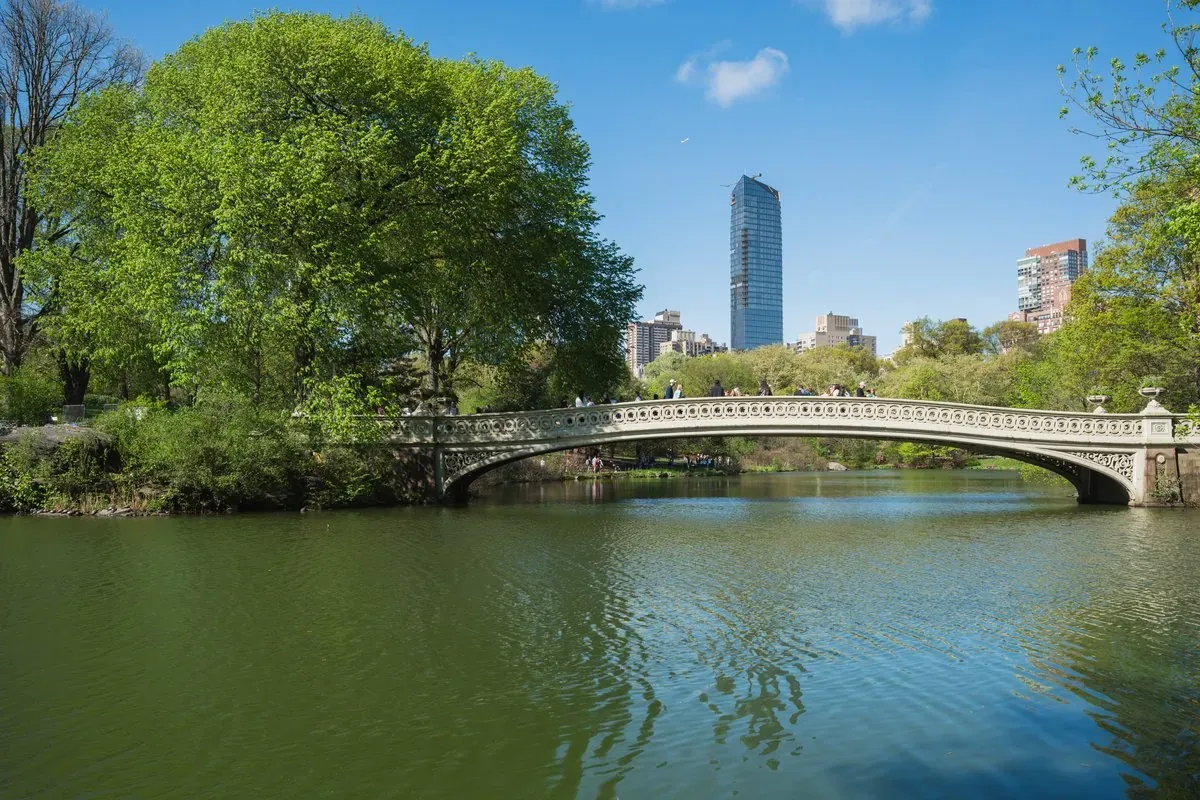
⚡ At a Glance Overview
Make the Decision Fast
A strong first day uses one coherent geography and a few high-value anchors rather than trying to “cover Manhattan” from top to bottom.
You have one full first day and want a realistic route with room for walking, meals, queues, and one optional upgrade.
Do not stack distant landmarks just because they fit on a checklist; repeated crosstown and uptown/downtown corrections consume the day.
Open the Route in Google Maps
These links map the guide’s walking skeleton. Re-check current closures, access rules, weather, and your group’s energy before following a route turn by turn.
First-day option A — Central Park spine
Use this only if you chose the uptown day. It is the park skeleton, not permission to add downtown afterward.
- W 72nd St park entrance
- Strawberry Fields
- Bethesda Terrace
- The Mall
- Columbus Circle
First-day option B — Lower Manhattan spine
Use this only if you chose the downtown day. The bridge approach is the finish; ferries and observation decks remain optional cuts.
- Bowling Green
- Federal Hall / Wall St
- 9/11 Memorial
- Oculus
- Brooklyn Bridge pedestrian entrance
Google Maps is an external service. A mapped line is a navigation aid, not a guarantee that every path, elevator, park entrance, or venue is open when you arrive.
Why We Chose This
Launch guides cover Lower Manhattan alone and a solo weekend mood, but not a true first-day island choice between uptown park and downtown harbor. This piece forces one spine and names what must wait.
Editorial Notes & Caveats
This is one day on foot with realistic transit—not a checklist of every famous pin. Do not add a Broadway matinee, Statue/Ellis ferries, and a full Museum Mile crawl to the same calendar. Weekend subway service changes happen; verify the MTA map before you promise timed tickets. Hotel “Midtown” addresses can sit twenty minutes from the line you think you bought convenience for—read the where-to-stay guide before you book.
A first day in Manhattan fails when you treat the island like a scavenger hunt: Statue before lunch, Times Square before dinner, Brooklyn Bridge at dusk, and a show at night. The borough is walkable, but it is not small. Geography punishes checklist thinking faster than bad weather does.
This guide assumes you have roughly nine to eleven waking hours, mixed walking ability, and no theater ticket locking your evening. You are not trying to “see New York.” You are trying to finish one coherent day—uptown park and one neighborhood, or downtown harbor and civic core—and still have energy for dinner without a cross-island rescue subway at 9 p.m.
Before you pick a spine, settle logistics you cannot improvise at a turnstile: how you reach Manhattan from the airport, which subway line your hotel actually sits on, and whether your body tolerates stairs. The subway primer, airport transfer guide, and where-to-stay piece exist for those decisions. This article starts after you know you can swipe in and you have one day to spend—not after you have already booked three timed entries on opposite ends of the map.
The only decision that matters: uptown spine or downtown spine
Manhattan first days split into two honest shapes. The uptown spine anchors on Central Park’s south end and one nearby neighborhood—Upper West Side calm, or a short SoHo cast-iron walk if you accept cobblestones. The downtown spine anchors on Lower Manhattan’s harbor-to-bridge walk: memorial plaza rhythm, Oculus concourse, then the Brooklyn Bridge approach before dusk.
You must refuse the other spine on the same day. Crossing from Bethesda Terrace to the 9/11 Memorial before lunch is how visitors discover Manhattan traffic is not the problem—the backtracking is. Pick uptown if green space and one museum block matter more than harbor stone. Pick downtown if American civic history and vertical skyline drama are why you flew in. If you cannot choose, you do not have a first day—you have a stress rehearsal.
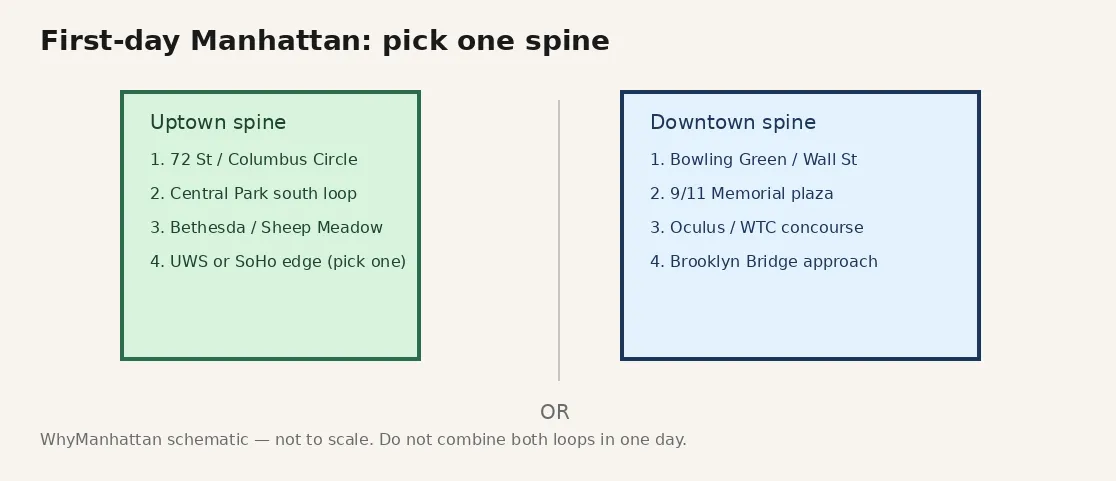
The schematic above is not a map to scale. It is a constraint: one loop, one direction, explicit cuts. First-time visitors who ignore that constraint usually still photograph Times Square at night—they just do it exhausted, having skipped the meal they needed at 4 p.m.
If you choose Central Park and a nearby neighborhood
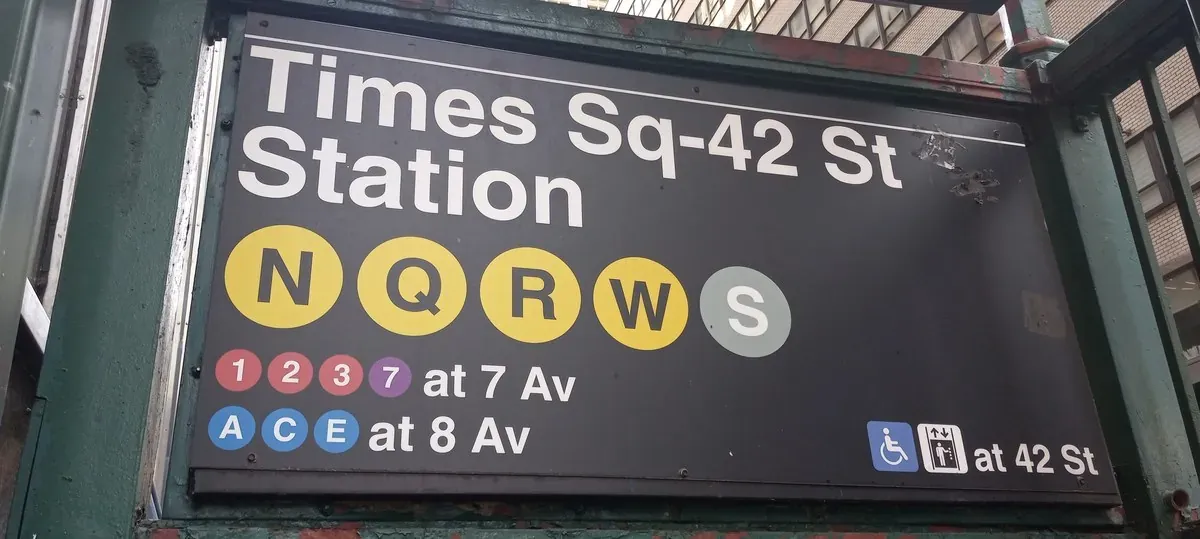
Start at 72nd Street or Columbus Circle, not at a random Midtown hotel lobby. The B/C to 72nd Street or the 1 to 66th or 72nd puts you on Central Park West with sane exits; Columbus Circle (A/C/1) works if you are already mid-park and need a circle reset. Read the subway primer for uptown vs downtown platform rules before your first swipe—standing on the wrong side of a local track costs twenty frustrated minutes you will blame on the city.
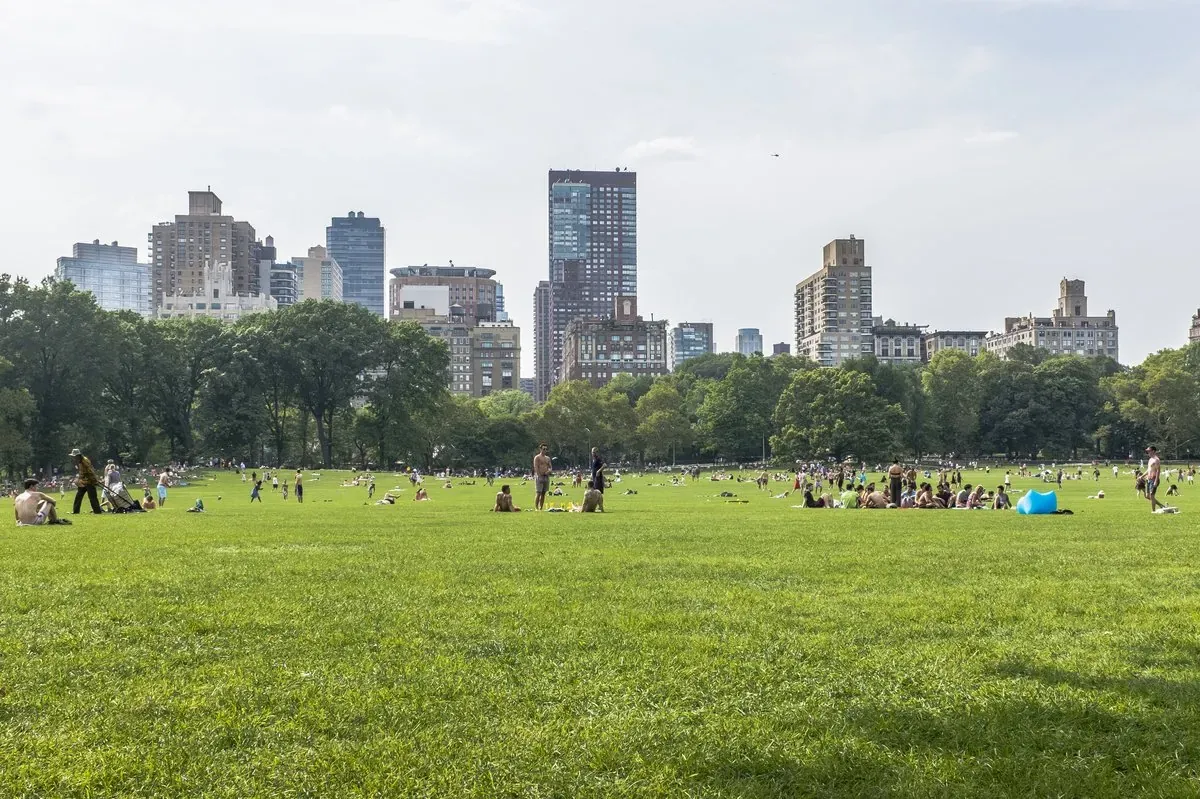
Walk the park south from 72nd: Bethesda Terrace and the Mall if you want architecture with your trees, or cut west to Sheep Meadow if you want skyline and grass without a ticket. Central Park is free and open from 6:00 a.m. to 1:00 a.m. daily per the Central Park Conservancy’s posted hours—verify conservancy alerts for path closures before you build a timed photo stop around a closed arch.
Give the park two to three hours with sitting built in, not a march. That window includes bathroom stops and a bench lunch—grab a sandwich or salad from a Columbus Circle shop or an Upper West Side deli and eat on a lawn. You are not failing the trip by not sitting in a restaurant; you are protecting the afternoon. The eat-near-Central-Park guide helps when you want a named sit-down instead of takeaway.
After lunch, choose one neighborhood exit—not two. Upper West Side fits families and museum mornings you deferred to Day Two. SoHo fits first-time visitors who want cast-iron streets without a harbor ticket. The SoHo first-timers guide and the SoHo neighborhood hub explain pace and cuts; treat SoHo as a ninety-minute walk with one indoor stop, not a shopping marathon glued to a park morning.
End the uptown spine by 5:30 or 6:00 p.m. unless you have a fixed reservation. Columbus Circle and Midtown bleed into each other; it is easy to “just see” Times Square and lose the quiet payoff of the day you planned. If skyline at sunset is the goal, stay west in the park or on a Riverside bench—do not chase an observation deck you did not ticket in advance.
The where-to-stay tool and article matter here: sleeping on the wrong line turns a gentle park exit into a forty-minute recovery ride. Upper West Side and Midtown hotels shorten the uptown spine; downtown hotels shorten the harbor walk—but only if you actually chose that spine before breakfast, not because the hotel brochure said “central.”
If you choose Lower Manhattan and stop before dusk
Downtown rewards south-to-north routing on foot. Start at Bowling Green or Wall Street, not at the bridge. The 4/5 to Bowling Green or the R/W to Whitehall Street–South Ferry lands you in the Financial District grid; the J/Z to Chambers Street–City Hall works if you are approaching from the east side. Stairs and narrow sidewalks are real—this spine is a poor fit if you cannot manage curbs and occasional cobblestones.
Walk the 9/11 Memorial plaza without treating it as a photo backdrop. The memorial has posted hours (typically 8:00 a.m.–8:00 p.m., subject to change on the official site) and security rhythms that slow naive “quick stops.” Pair the plaza with the Oculus concourse for climate-controlled reset—not because the mall is an attraction, but because it is a bathroom-and-bench node on a long walking day.
Do not stack Statue of Liberty ferries, One World Observatory, 9/11 Museum, Wall Street, Chinatown dinner, and Brooklyn Bridge on the same first day unless you enjoy apologizing to everyone you traveled with. This guide’s downtown spine stops at the bridge approach before dusk. Ferries and observation decks are Day Two problems—or cuts, if you only have one day. The dedicated Lower Manhattan one-day itinerary goes deeper on harbor tickets; use it when downtown is the whole trip, not half of an uptown afternoon.
Reach the Brooklyn Bridge pedestrian entrance while you still want to walk. Bridge crowds thicken on weekend afternoons; a 4:30 p.m. arrival is saner than an 8:00 p.m. hero march. You do not have to cross to Brooklyn to call the day successful—seeing the cables and river from the Manhattan approach still completes the spine if legs disagree.
Chinatown and Little Italy sit north of the civic core. They are tempting dinner exits after a downtown walk, but they are also where first days go to die—long waits, menu fatigue, and one more subway you did not budget. If dinner lands downtown, pick one sit-down spot before you leave the hotel and walk to it without adding a third geography. Value eating downtown has its own guide when money is the constraint.
What does not fit in one day (Cloisters, full museum mile, Broadway + Statue)
Some famous names are multi-hour commitments disguised as pins on a map. The Cloisters in Fort Tryon Park is a half-day north of Midtown on the A train—not a “while we are uptown” add-on. Read the Cloisters guide and skip it on a first day unless medieval architecture is the entire reason you came.
Museum Mile is not one museum—it is a row of them. The Met alone can consume a morning you thought you were sharing with the park. Pick one ticketed indoor stop on a different day, or swap outdoors for rain using the rainy-day plan. Broadway matinees and evening shows re-anchor your geography around Times Square and pre-theater dining; they do not coexist with a downtown bridge finish unless you enjoy paying for taxis you could have avoided.
- Cut the Cloisters entirely on a first day.
- Cut Statue/Ellis ferries unless you already hold a morning ticket and cut the park or downtown spine.
- Cut a second neighborhood after the park—SoHo **or** Upper West Side, not both.
- Cut observation decks you did not book before you left the hotel.
- Cut “quick” Midtown landmark runs after either spine; that is a second-day shape.
Weather and energy backups (link rainy day)
Heat pushes park time to morning and shade; winter wind off the harbor makes downtown plazas feel shorter than they look on a map. Rain does not cancel Manhattan—it changes which spine is honest. A wet uptown day becomes conservancy-covered arches, museum lobbies, and bookstore stops linked from the rainy-day guide. A wet downtown day shrinks to memorial indoor edges, Oculus time, and shorter bridge exposure—not an outdoor harbor loop you resent.
Energy backups are not moral failures. Sitting twenty minutes on a bench with a coffee is part of the plan when you are on foot all day. Public restrooms matter; the restrooms guide lists reliable Midtown and downtown options when parks and chains fail you. If the group is fading at 3:00 p.m., end the spine early and eat sit-down dinner near the hotel line you already learned—do not swipe into a cross-town express to “save” the day.
A timed mini-plan with transit reality, not fantasy minutes
Uptown sample (rough, not a promise): 8:30 a.m. breakfast near your hotel; 9:30 a.m. subway to 72nd or Columbus Circle; 10:00 a.m.–1:00 p.m. park south loop with bench lunch inside that window; 1:30 p.m.–3:30 p.m. one neighborhood walk (UWS or SoHo); 4:00 p.m. rest or coffee; 6:30 p.m. dinner near your hotel corridor. That is already full.
Downtown sample: 8:30 a.m. breakfast; 9:30 a.m. subway to Bowling Green or Fulton; 10:00 a.m.–12:30 p.m. Wall Street lanes and memorial plaza; 12:30 p.m.–1:30 p.m. lunch sit-down or takeaway near Fulton/Oculus; 1:30 p.m.–3:30 p.m. Oculus reset and walk north toward City Hall; 3:30 p.m.–5:30 p.m. Brooklyn Bridge approach. Evening optional and local—do not add a show.
Add fifteen minutes of buffer per subway transfer you have not done before. Apps that show twelve-minute trips rarely include wrong-platform corrections, elevator hunts, or weekend reroutes. The MTA map is the authority; tourism blogs are not.
If you are traveling with someone who needs frequent sitting, bias the uptown spine—benches are the feature, not a compromise. If you are traveling with historians who measure success in plaques and churchyards, bias downtown—but still cut ferries unless tickets are already in your pocket. The goal is a day you would repeat, not a day you survived for Instagram.
Alternatives: rainy day; two-day solo weekend
If weather is ugly or your group needs more indoor time, stop shaping a first day and open the rainy-day plan. It is a better honest day than pretending Sheep Meadow will work in a downpour.
If you have two days and want different moods—museum uptown, High Line or villages downtown—the solo weekend itinerary distributes geography without backtracking. A three-day version is the next piece in the first-visit cluster when it publishes; until then, protect Day One with one spine and let Day Two be a different neighborhood, not a salvage run.
The first-visit topic hub orders decisions before landmarks: airport, subway, hotel geography, then day shape. Return there if you are still choosing how you enter the city. This guide is the day-shape answer once those pieces are settled.
Before you add another Manhattan walk, use the walking-load guide to protect the first-day spine from an extra neighborhood that only looks close on the map.
Before you give MoMA a first-trip attraction slot, use the MoMA first-trip fit guide before adding another paid pin to a one-day geographic spine.
Before you decide how much time Grand Central deserves, use the Grand Central time-box guide before adding the station as another detached pin to a first-day geographic spine.
Suggested Route & Mini Plan
- Choose uptown (park + one neighborhood) or downtown (memorial + bridge)—not both.
- Confirm subway service and any memorial or park alerts on official pages.
- Ride to 72nd/Columbus Circle (uptown) or Bowling Green/Fulton (downtown).
- Walk one loop with a built-in bench lunch; no second neighborhood.
- End by early evening near your hotel line. Rain or fatigue → rainy-day guide.
Backup: downtown-only detail lives in the Lower Manhattan one-day guide. Two-day pacing lives in the solo weekend plan.
Curated Alternatives
Rainy-day Manhattan plan
Rain, heat, or a tired group needs indoor anchors and shorter transfers—not an outdoor park loop. Swap the spine for the rainy-day plan and cut one ticketed stop.
Solo weekend two-day plan
Two waking days with different moods fit the solo weekend shape better than forcing one island into nine hours. Use it when you have Saturday and Sunday, not a single arrival day.
Lower Manhattan in one day (downtown only)
If you already committed to downtown harbor history, do not split attention uptown. The Lower Manhattan one-day itinerary is the downtown-only version of this decision.
Frequently Asked Questions
Can I do Central Park and Lower Manhattan on the same first day?
No. Crossing from a park morning to a harbor afternoon sounds efficient on a map and feels brutal on foot. Choose uptown (park plus one neighborhood) or downtown (memorial, Oculus, bridge approach)—not both.
Which spine is better for a first-time visitor?
The uptown spine fits park time, skyline lawns, and either Upper West Side pace or a short SoHo architecture walk. The downtown spine fits harbor history, memorial rhythm, and the bridge before dusk. Match the spine to why you flew in, not to every pin you saved on social media.
Should I add the Cloisters to my first day?
Not on this plan. The Cloisters is a half-day trip to Fort Tryon Park. Treat it as a separate day or skip it on a first visit. The Cloisters guide explains when the ride north is worth it.
What if it rains on my first day?
Use the rainy-day guide and shrink outdoor time. Uptown becomes covered arches, museum lobbies, and indoor neighborhoods. Downtown becomes shorter plaza time and Oculus reset—not a harbor ferry you booked hoping the sky clears.
Do I need to read other guides before this one?
Read the subway primer before you travel, match airport transfer to your hotel line, and use the where-to-stay guide so you are not commuting an hour before the day starts. This article assumes you can reach your chosen spine without a cross-borough taxi rescue.
Our recommendations are handpicked independently. No paid placement, no sponsored rankings. How we choose