
Which Manhattan View Is Worth the Ticket
Compare Manhattan observation decks with free ferry, bridge, and street views—then buy one timed ticket or skip with a clear rule, not four elevator lines the same trip.


⚡ At a Glance Overview
Make the Decision Fast
Pick one paid view based on the skyline you want to see, indoor/outdoor preference, timing, and nearby plans; multiple decks are rarely necessary.
You want one observation experience and need to choose between different skyline angles and visit styles.
Do not buy several view tickets just to avoid choosing; use a free skyline or waterfront stop for the second perspective instead.
Why We Chose This
Visitors stack Summit, Edge, Empire, and Top of the Rock because each is famous—not because four elevators fit one trip. This guide routes deck tickets against ferries, bridges, streets, and rooftops so readers buy once or skip without guilt.
Editorial Notes & Caveats
Wait times, elevator closures, and last-entry rules shift by season and product bundle—confirm on official operator sites before you walk. Fog, rain, and heat haze can zero out a paid view; this article does not guarantee visibility. One World Observatory is a downtown product with its own ticket page—not interchangeable with Midtown decks. Rooftop minimums and dress codes are hospitality rules, not museum admissions. This is not a CityPASS or bundle comparison; payment bundles live in the pass-vs-tickets guide. Street solicitation near deck lobbies is common—buy only through official channels.
Manhattan sells height the way it sells theater: many ticket tiers, timed entry, souvenir photos, and a line that starts before you see the view. First-time visitors treat an observation deck as proof of the trip. Return visitors often realize they already had a skyline—from a ferry rail, a bridge approach, a rooftop drink, or simply walking west on a cross street until the canyon opened.
The useful question is not “which deck is tallest?” It is whether a paid elevator still earns its slot after you account for queues, weather, what your hotel window already shows, and whether a free harbor or bridge view already satisfied the urge. This guide compares ticketed decks against free and cheaper alternatives so you buy once—or skip with a clear conscience.
Judgment first: pay for a deck when you want a controlled, high-angle panorama you cannot get from the street, when weather is clear, when you have ninety minutes for security and elevators, and when you have not already stacked a ferry, bridge march, and rooftop sunset on the same tired afternoon. Skip when fog owns the forecast, when your group is deck-fatigued, or when a romantic Manhattan day or checkout-to-flight article already sequences a better finale without another turnstile.
What a paid observation deck is actually for
A ticketed deck sells elevation, orientation, and a photograph you cannot fake from sidewalk level. You are paying for elevator logistics, indoor waiting rooms, glass or outdoor ledges, and a fixed compass swing over Midtown spires, the harbor, or Central Park. That product makes sense when the skyline is the afternoon—not when it is a guilt purchase because the map showed four famous pins.
Decks also solve a weather-and-comfort problem on a bad outdoor day: heated lobbies, bathrooms, and predictable last-entry times beat an exposed bridge walk in January drizzle. They fail when visibility is poor, when timed-entry anxiety collides with a late lunch, or when your hotel already faces south and you have watched the same spires from the window for three mornings.
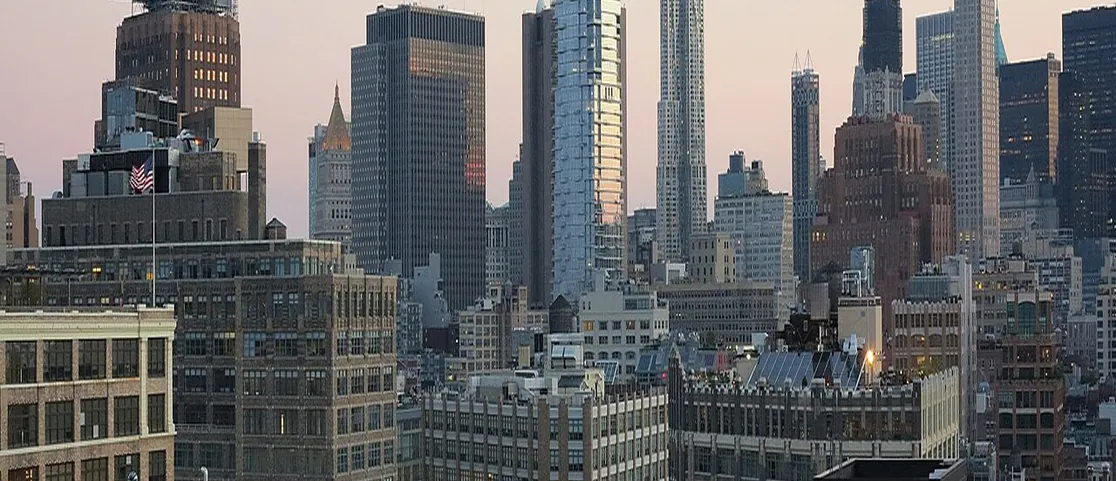
The four Midtown products tourists compare most often—Summit One Vanderbilt, Edge at Hudson Yards, Empire State Building, and Top of the Rock at Rockefeller Center—each emphasize a different frame. Summit leans immersive and glass-heavy near Grand Central. Edge sells a southeast-facing ledge over Hudson Yards. Empire State is the classic spire silhouette from the inside. Top of the Rock balances Central Park north and Midtown south with outdoor terraces. Verify current hours, combo tickets, and sunset slots on each operator site; names and bundles change season to season.
When a ferry, bridge, or street already did the job
Free and cheap views are not inferior—they are different products. The Staten Island Ferry delivers harbor scale and Liberty silhouettes without a Midtown ticket. Walking the Brooklyn Bridge or Manhattan Bridge approach gives elevation through arches and cables, not through a gift shop. Battery Park City and Hudson River esplanades trade canyon streets for river breeze and a lower skyline angle.
Street-level Midtown already sells height if you know where to look: cross west on 42nd or 47th from Times Square toward Ninth Avenue and the canyon opens; stand at the base of the Chrysler Building at Lexington and 42nd for art-deco scale without an elevator. Those moments do not replace a 1,000-foot panorama—but they may be enough if your trip already includes a harbor day or a bridge walk at dusk.
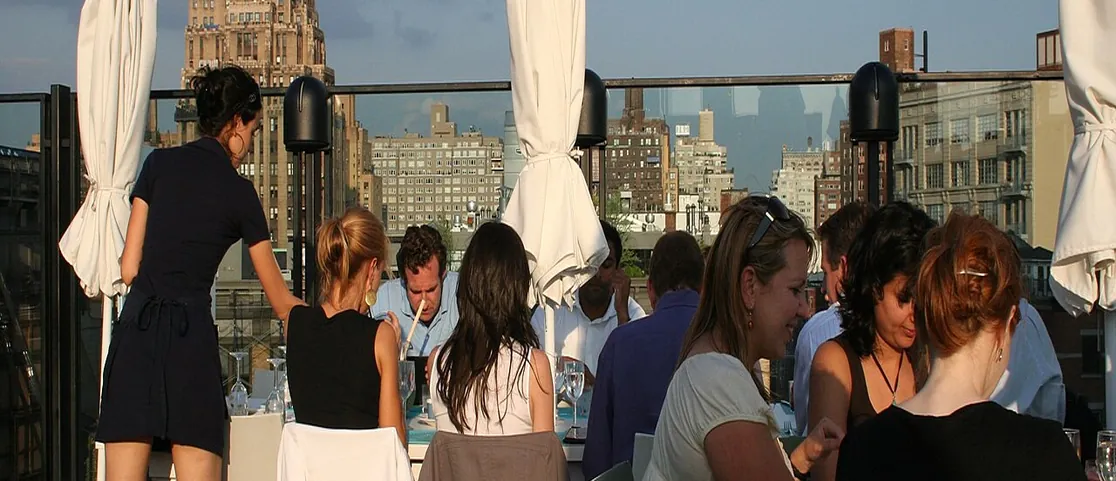
If you rode the ferry, crossed a bridge, and ate dinner with a west-facing window, a second paid deck the next morning is often repetition, not revelation. Return visitors frequently skip all four ticketed decks and spend the hour on a neighborhood walk instead. First-timers with one clear weather window still benefit from choosing one paid product rather than collecting logos.
Comparison criteria: queue, indoor vs outdoor, location
- Queue and timed entry: weekends and sunset sell first; arrive with a booked slot or accept a long security line.
- Indoor vs outdoor: glass galleries handle rain; outdoor terraces close in wind and ice—check operator alerts.
- View direction: harbor and downtown need south or west frames; Central Park needs north from Top of the Rock or Summit angles.
- Hotel geography: a Midtown east-side hotel may already face west; a downtown hotel may make One World or the ferry enough.
- Group stamina: elevators, crowds, and gift-shop exits tire kids faster than an esplanade bench.
- Photography goal: classic Empire silhouette vs park-north panorama vs Hudson Yards glass floor—pick one story.
Location matters as much as height. Staying in Hell’s Kitchen or west Midtown makes Top of the Rock or Edge a short walk; staying downtown makes a harbor ferry or One World Observatory the honest geography. Crossing the island for a deck after a Lower Manhattan spine is how evenings collapse—the Manhattan subway can do it, but time is the real fare.
The four Midtown decks—how to choose without stale prices
Summit One Vanderbilt sits atop the Grand Central transit cluster—strong when you want a modern, mirrored interior experience and Midtown-east context. Edge hangs off Hudson Yards with a triangular outdoor ledge; strong when you are already west for the High Line or Chelsea and want Hudson River width in the frame. Empire State Building remains the icon people recognize in photos afterward—strong when the spire itself is the subject, weaker when you mainly want Central Park north. Top of the Rock offers the most balanced park-and-Midtown split with outdoor terraces—strong for classic postcard composition.
Do not treat blog screenshots as today’s fare. Each operator runs timed entry, sunset premiums, express upgrades, and bundle names that shift year to year. Open the official Summit, Edge, Empire State Building, and Top of the Rock ticket pages the week you travel, compare last-entry times against your dinner reservation, and buy one slot—not four “just in case” windows you will rush.
Express and skip-the-line products sound like time savers; they are often the margin on a day when every minute already belongs to a show curtain or a stored-luggage loop. Buy express only when the standard queue genuinely threatens your slot—not as default insurance on a lazy afternoon.
One World Observatory downtown is a fifth product with its own ticket page—useful when your trip lives south of Chambers Street and you want harbor memorial context from above. It competes with ferries and esplanades more than with Rockefeller Center; do not stack it with a Midtown deck and a bridge walk on the same checkout day unless you named that marathon upfront.
Rockefeller Center without an observation deck
Rockefeller Center does not require a Top of the Rock ticket to earn a stop. If your goal is the plaza, street-level architecture, Fifth Avenue geography, or a short Midtown connector, keep the visit on the ground and spend the deck budget elsewhere. A separate “Rockefeller Center without an observation deck” URL would split the same paid-height-versus-free-street decision this guide already owns.
The same guard applies downtown. “One World Observatory or a free harbor view?” is already a branch of this page: pay for controlled elevation when that perspective is the point; otherwise let a ferry, esplanade, bridge approach, or street-level skyline carry the view. A new synonym comparison would repeat the same tradeoff with a different tower name.
Rooftop bars vs observation decks
Rooftop season (May through October) sells sunset with a drink minimum instead of a turnstile. You trade elevator certainty for reservation politics, dress codes, and weather exposure on smaller terraces. Rooftops fit couples who want a seated drink and a partial skyline; decks fit visitors who want a full sweep without buying bottle service.
A rooftop can beat a deck when queues are sold out, when you already ate and only want golden hour, or when a romantic Manhattan day ends with one elevated cocktail instead of another security line. A deck beats a rooftop when you need guaranteed entry, indoor shelter, or a 360-degree orientation walk without a $150 table minimum. Read rooftop season for walk-in timing; use this page when the question is ticketed height, not hospitality minimums.
Free and cheap backups if decks are sold out
Sold-out sunset at Top of the Rock is not a trip emergency. Same-day options: ride the Staten Island Ferry round trip for harbor light; walk the Brooklyn Bridge at dusk from the Manhattan side; stand the esplanade at Battery Park City or Pier 17 for a lower but honest skyline; grab a publicly accessible lobby view at SUMMIT’s street-level atrium only if you are nearby—not a substitute for the deck itself.
Weekday matinee hours often have next-day deck availability if you can flex. Morning slots trade sunset romance for clearer air and shorter lines. Rain removes outdoor terraces first—indoor galleries at Summit or Top of the Rock become the better paid bet; exposed ledges at Edge or Empire outdoor decks may close without refunds if policy says so—read cancellation rules on the operator page before you buy.
Photographers should decide whether they need a wide panorama or a single icon in frame before they buy. Top of the Rock and Summit favor layered Midtown depth; Empire State puts you inside the postcard subject; Edge emphasizes Hudson width and the Vessel cluster below. Carrying a tripod is rarely worth the security hassle—phone shots through clean glass at golden hour beat a rushed sunset sprint across town.
Last-day travelers with luggage should not add a deck unless bags are stored— the checkout-to-flight article sequences low-stress loops and airport buffers; a ninety-minute elevator quest before JFK is how good trips end badly. Times Square is nearby many Midtown decks but it is not a view product—time-box the plaza separately so neon does not eat your timed entry.
Who should skip all ticketed decks
Skip paid height when fog or heavy rain owns the forecast, when you are afraid of heights and will hug the interior wall, when your group already did ferry, bridge, and park skyline in forty-eight hours, or when budget is fixed and food matters more. Skip when mobility limits make long standing queues unsafe—decks are not museums with benches every twenty feet.
Skip when you are only chasing Instagram proof and your hotel window already faces the skyline you want. Skip when CityPASS or bundle math is the real question—that comparison belongs in the pass guide, not here. Return visitors who live three hours from Manhattan rarely need a fifth elevator ride; first-timers with one clear evening should still pick at most one paid product.
A view decision mini-plan
- List what you already did: ferry, bridge, rooftop drink, park lawn, hotel window direction.
- Check weather and sunset time for your travel week—not a blog’s “best season” paragraph.
- Pick one direction story: harbor south, park north, Hudson west, or classic spire.
- Open official operator sites for Summit, Edge, Empire State Building, and Top of the Rock; compare timed entry and last admission.
- Buy one slot or commit to a free alternative—ferry, bridge, esplanade—before you cross town twice.
- If sold out, pivot to rooftop season walk-ins or a morning slot another day—not a panic second deck.
Ninety minutes door-to-door fits one deck with security and photos; three decks in one afternoon is a merchandise march, not a view. Pair a deck with dinner west of Times Square or a theater night—not with a full downtown harbor spine the same morning.
Families should plan bathroom and snack stops before the elevator—gift-shop exits are designed to slow you down. Seniors and anyone with vertigo should favor decks with indoor galleries and seated waiting areas over open ledges with glass floors. Kids under ten often prefer ferry movement and bridge arches to standing in a timed queue for a view they cannot contextualize yet.
When to skip every option and walk instead
Sometimes the best Manhattan view is movement at street level: walk the High Line segment for linear Hudson glimpses, sit Sheep Meadow with Midtown behind you, or end a romantic Manhattan day on Pier 35 swings with the bridge in frame—no turnstile required. Those choices are not consolation prizes; they are how locals experience height without gift shops.
The final call is subtraction. Pay for one deck when weather is clear, your geography fits, and free views have not already satisfied the urge. Ride the ferry, cross a bridge, or book one rooftop drink when tickets fail or crowds spike. Skip every elevator when fatigue, fog, or checkout clocks say stop—the skyline will still be there from the sidewalk when you look up on the way to the subway.
Before you give MoMA a first-trip attraction slot, use the MoMA first-trip fit guide when a Midtown museum and a paid skyline view are competing for the same attraction budget and energy.
Suggested Route & Mini Plan
- Inventory free views already done: ferry, bridge, park, hotel window.
- Check weather and pick one compass story: harbor, park, Hudson, or spire.
- Compare timed entry on official Summit, Edge, Empire, and Top of the Rock sites.
- Buy one slot—or commit to ferry, bridge, esplanade, or rooftop backup.
- Skip a second deck the same trip unless you named a two-tower day upfront.
Curated Alternatives
CityPASS, separate tickets, or walk up
When the real question is whether a pass beats à la carte tickets across museums and decks, bundle math lives in the CityPASS comparison—not this one-deck decision.
Manhattan rooftop season without overpaying
When sunset drinks with a minimum spend beat a timed elevator queue, rooftop season covers walk-in terraces and reservation traps—not observation-deck turnstiles.
Statue and Ellis Island harbor day
When the harbor already delivered skyline scale from a ferry deck, the Statue and Ellis decision guide owns island tickets—not a second Midtown tower the same afternoon.
Frequently Asked Questions
When is a paid observation deck worth it?
When weather is clear, you want a high-angle panorama you have not already gotten from a ferry or bridge, and you can protect ninety minutes for security and elevators—not when fog owns the forecast or deck fatigue already set in.
How do Summit, Edge, Empire State, and Top of the Rock differ?
Summit emphasizes immersive glass near Grand Central; Edge sells a Hudson Yards ledge; Empire State is the classic spire experience; Top of the Rock balances Central Park north and Midtown south. Verify hours and bundles on each official site—the best pick depends on direction and hotel geography, not a universal ranking.
Can I skip all decks and still see the skyline?
Often yes for first-timers on a budget or tight schedule. The Staten Island Ferry, bridge approaches, and river esplanades deliver scale without Midtown turnstiles. Pay for a deck when you still need orientation height after those free frames—or when rain makes an indoor gallery the better afternoon.
Should I pick a deck or a rooftop bar?
Decks sell timed elevation and full sweeps; rooftop season sells drinks with partial views and reservation rules. Choose a deck for guaranteed entry and orientation; choose a rooftop for sunset with a cocktail when queues sell out or you want a seated finale.
What if sunset tickets are sold out?
Flex to a morning slot, ride the Staten Island Ferry, walk the Brooklyn Bridge at dusk, use a river esplanade, or book a walk-in rooftop during rooftop season. Do not buy from sidewalk sellers near deck lobbies—use official operator sites only.
Our recommendations are handpicked independently. No paid placement, no sponsored rankings. How we choose