
CityPASS, Separate Tickets, or Walk Up
Run attraction-pass math against the days you actually have—and skip the bundle when one museum and a walk already fit the trip.


⚡ At a Glance Overview
Make the Decision Fast
Compare the pass against the attractions you will actually visit, in the time you actually have, using the current final prices and reservation rules.
Several included attractions are already genuine priorities and the pass reduces total cost or booking friction for your real itinerary.
Do not treat the advertised maximum value as savings if you would not otherwise buy those attractions or if the schedule becomes too crowded.
Why We Chose This
Visitors buy passes before they know their itinerary, then chase unused entries. This guide isolates bundle math from deck choice, kid museum fit, and Cloisters geography—so payment follows the days you actually have.
Editorial Notes & Caveats
Pass products, bundled attractions, and adult ticket prices change—confirm inclusions and face-value math on CityPASS, New York Pass, and each venue’s official site before purchase. This article does not endorse any pass because of affiliate commissions or partner rates. We do not publish a price table that will age in six months; we describe how to run the spreadsheet yourself. Harbor ferries, Broadway, and congestion-zone driving are outside this frame.
Visitors often shop for a Manhattan pass before they know which museums they want, whether they will ride to Fort Tryon, or if a skyline view already happened from a bridge. That order creates expensive guilt: prepaid entries you skip because the kids melted down, or a bundle that “saves money” only if you treat vacation like a scavenger hunt.
The useful question is not “which pass is best?” It is whether prepaid bundling beats buying one or two tickets à la carte—or whether walking, parks, and free harbor views already satisfied the trip. This guide is bundle math and payment timing. Which observation deck deserves a ticket lives in which Manhattan view is worth the ticket. Which museum fits your child lives in museums matched to attention span. Fort Tryon’s half-day cost lives in the Cloisters spotlight.
Judgment first: run pass math only after you have a realistic two-to-five-day skeleton. If you are squeezing one waking day, start with one day if it is your first—not a multi-attraction bundle you cannot physically use.
What attraction passes actually sell
CityPASS-style products typically bundle a fixed set of major tickets—often museums plus one skyline option—at a discount versus each venue’s standard adult gate price on the day you check. “All-you-can-visit” passes (commonly marketed as New York Pass or similar) charge by hours or days and include a longer list of attractions, including some you would never choose on your own.
Both models assume you will enter enough bundled sites inside the validity window to beat à la carte. Neither assumes you will enjoy rushing through four ticketed rooms in one afternoon. Product names, bundled venues, and “skip the line” claims change—open the official pass site and each included attraction’s ticket page on the week you travel; do not trust a screenshot from someone else’s blog.

When a pass can make sense
A pass wins when your itinerary already lists most bundled attractions, spread across the days the pass allows, at times you will actually show up. Strong fit: two adults with stamina who want the Met, AMNH, and one paid deck across three weekdays, with subway time budgeted between them. Strong fit: return visitors who know they want the same headline museums they skipped last trip—not first-timers still debating uptown versus downtown.
Passes also help travelers who hate deciding at each door but accept the tradeoff: you are prepaying for breadth, not depth. If you would buy the same tickets individually at full adult price anyway, the spreadsheet can show a real savings. If you would skip one bundled site, the savings evaporate fast.
Compare pass types before pass brands
Do not start with a separate “CityPASS vs New York Pass vs another pass” article. First compare the product type against your real itinerary: a fixed bundle only works if you already want most included entries; a broader day-based pass only works if you will use enough of its larger catalog without breaking geography. Brand names and inclusions can change, but that decision does not.
If two products someday create a genuinely different user decision, they can be reconsidered. Until then this page should absorb pass-brand comparisons by making the reader list must-see attractions, current direct prices, reservation friction, and usable days before looking at the logo on the pass.
When separate tickets are smarter
Buy individual tickets when you want one museum deeply, not three shallowly. Families with young kids usually need one morning at AMNH or one Met wing—not a pass that whispers you should add a second ticketed stop after lunch. The kids museum checklist exists because attention span beats bundle marketing.
Separate tickets win when your group splits: one adult to the Met while another does Central Park with a stroller, reuniting for a free sunset. Passes push everyone through the same turnstile logic. Separate tickets win when you qualify for discounts the pass does not stack—student IDs, NY resident pay-what-you-wish windows where still offered, or member reciprocity. Always read the fine print on the venue site.
Separate tickets also win when you are visiting from abroad and jet lag will shrink your first museum morning. Prepaying three entries before you know your body clock is how travelers donate margin to pass companies. Buy the first ticket after a good night’s sleep; add a second only if the first day felt manageable.
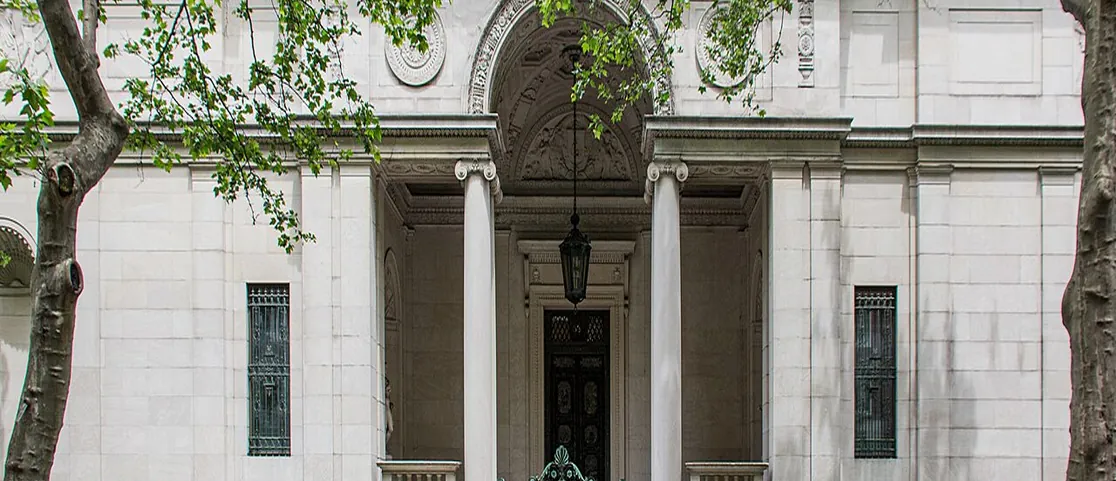
Separate tickets win for compact collections that do not need a full day. A short Midtown stop at the Morgan Library is often a single timed entry you book when energy fits—not a pass anchor. Read the Morgan fit guide before you let a bundle dictate your afternoon.
When walk-up and free views are enough
Manhattan already sells skyline drama at street level, from bridges, and from the Staten Island Ferry. If your trip goal is “see tall buildings,” you may not need a prepaid deck at all—which Manhattan view is worth the ticket asks after you admit what the street already gave you.
Walk-up works for many museums if you accept line risk on peak weekends—but timed-entry rules increasingly apply to major institutions. “Walk up” here means pay at the door or same-day online without a multi-attraction bundle, not “show up at noon on Black Friday with no plan.” Check each museum’s ticket page; some exhibitions require a separate timed slot even when general admission is open.
Free anchors—Central Park, the High Line’s public section, neighborhood walks, memorial plazas—should stay on your map even if you buy a pass. Bundles tempt you to equate “unused entry” with “wasted money,” which is how visitors end up indoors on the sunniest afternoon of the trip.
How to run the spreadsheet without fooling yourself
List the attractions you would honestly visit without a pass. Write each venue’s current adult price from its official site. Add only entries you will use inside the pass validity window—not “maybe if we have time.” Subtract the pass price. If the difference is negative, skip the pass.
- Count days, not pins: two museums on one day is already heavy for many families.
- Add subway time and lunch between sites—bundles do not teleport you crosstown.
- Treat observation decks as their own decision; deck comparison is not pass math.
- Name one cut you will not feel guilty about—Fort Tryon is a common one.
- Re-run the table if one venue sells out or changes to timed-only entry.
If the savings are under roughly the cost of a sit-down lunch per person, ask whether the mental overhead of tracking vouchers is worth it. Convenience has value—but only when you wanted the attractions anyway.
Common spreadsheet mistakes: counting a special exhibition you will not pay extra for, assuming children enter free at every bundled site when age rules differ, and treating “valid for nine days” as permission to spread visits you will not actually take. Children’s pricing and stroller logistics belong in the kids museum guide; this page only asks whether the adult bundle price clears the bar.
Products change: what to verify on draft day
On CityPASS or competitor sites, confirm exactly which Manhattan attractions are in your bundle this season, whether a deck is included or optional, and whether “skip the line” means a separate security queue or simply prepaid entry. On each museum site, confirm general admission versus special exhibitions—passes often exclude blockbuster shows.
We do not recommend a pass because an affiliate page pays better. Editorial judgment here is: run the math, buy official, and skip bundling when your honest itinerary has one museum and a long park walk. If a pass vendor offers a sale, re-run the spreadsheet against venue prices that day—sales on passes and sales on direct tickets do not always move together.
What this guide deliberately does not do
It does not rank observation decks—that is which Manhattan view is worth the ticket. It does not pick AMNH versus Met for your six-year-old—that is museums matched to attention span. It does not justify the A train to Fort Tryon—that is the Cloisters spotlight. It does not sequence a first-day spine—that is one day if it is your first.
It also does not treat Broadway, harbor ferries to Liberty and Ellis, or dinner reservations as pass problems. Those tickets have their own channels and time math. Mixing them into a museum bundle spreadsheet is how “we saved $40” turns into a missed curtain.
Neighborhood reality: where bundles push you
Most bundled museums sit on the Upper West Side, Upper East Side, and Midtown edges—natural history and planetarium zones west of the park, Museum Mile east, Midtown decks and smaller institutions like the Morgan Library in the grid. A pass nudges you toward crosstown days unless you cluster intelligently.
Midtown hotel guests may find one deck plus one museum walkable; Upper West Side guests may pair AMNH with park time without a second ticket. Do not let a pass schedule a Midtown deck on the same afternoon you promised Fort Tryon uptown—the Cloisters spotlight exists because that geography is a half-day, not a bundle checkbox.
Three-day visitors often tempt themselves with an all-you-can-visit pass while also reading the three-day geography map. If geography already assigns one museum block per day, count whether the pass includes attractions on the wrong side of the island for that day’s spine. Backtracking to “use” a voucher is not savings—it is a subway tax on poor planning.
A pass-or-not mini-plan
- Draft your day-by-day skeleton with named cuts before shopping passes.
- List must-see ticketed sites; pull current adult prices from official venue pages.
- Compare total à la carte to official pass price for the same list only.
- If you keep the pass, book timed entries the day reservations open.
- If you skip the pass, buy the one or two tickets you need and protect park time.
Revisit the decision if your group gets sick, weather flips, or a sold-out exhibition changes your must-see list. Sunk-cost thinking—“we have the pass so we must go”—is how vacations feel like work.
When to skip every pass product
Skip bundling when you have one museum morning and free walks the rest of the trip. Skip when toddlers need naps more than turnstiles. Skip when your honest list is a deck plus dinner, not four indoor attractions. Skip when the first-day spine guide already named cuts you agree with—adding a pass often reopens cuts you wisely made.
CityPASS, separate tickets, and walk-up are three payment tools—not loyalty tests. Buy the smallest set of entries that matches the days you actually have, verify prices on official pages the week you travel, and let parks and bridges do the free heavy lifting Manhattan already offers.
Before you lock the rest of a first Manhattan trip, use the booking-priority guide before a pass starts writing the calendar for you.
Suggested Route & Mini Plan
- Draft day-by-day skeleton with named cuts first.
- List must-see ticketed sites; pull official adult prices.
- Compare à la carte total to pass price for that list only.
- Book timed entries early if you buy the pass.
- Otherwise buy one or two direct tickets and protect free park time.
Curated Alternatives
Which Manhattan view is worth the ticket
Once you know you want a paid skyline, deck names, queues, and indoor-versus-outdoor tradeoffs belong in the view-ticket comparison—not prepaid bundle math.
Manhattan museums with kids
Families still need to pick one museum by age and stamina before any pass spreadsheet. The kids museum guide owns attraction fit; this page owns how you pay.
The Cloisters: is the trip to Fort Tryon worth it?
Fort Tryon is a geography and half-day decision with its own ticket table. Read the Cloisters spotlight before you assume a pass slot covers the ride north.
Frequently Asked Questions
When is a CityPASS or similar bundle worth buying?
When your honest itinerary includes most bundled attractions at full adult prices across the pass validity window—and you will not rush past naps or weather. Skip when you want one deep museum day, heavy outdoor time, or your savings disappear after one unused entry.
When should I buy separate tickets instead of a pass?
Separate tickets when you want one museum deeply, your group splits activities, you qualify for direct discounts, or a compact stop like the Morgan Library is the only ticketed indoor block. Walk-up or same-day online works when lines are acceptable and you are not stacking multiple major sites.
Does this guide compare observation decks?
Deck choice, queue patterns, and whether a paid view beats free bridge or ferry angles live in which Manhattan view is worth the ticket. This article only asks whether a deck belongs in your bundle spreadsheet—not which operator to pick.
How do I run pass math without stale prices?
List must-see sites, pull current adult prices from official venue pages, add only entries you will use inside the pass window, subtract pass price, and re-run if one attraction sells out or changes to timed-only rules. Ignore affiliate hype; use official sources dated the week you travel.
Should I buy a pass for a one-day first visit?
Usually no—one museum morning plus park time fits separate tickets or walk-up better. Multi-attraction bundles punish single-day geography unless you enjoy indoor queues more than sunset outdoors. Start with one day if it is your first before buying breadth you cannot use.
Our recommendations are handpicked independently. No paid placement, no sponsored rankings. How we choose