
Three Days in Manhattan Without Backtracking
Assign downtown, park-plus-museum, and one village or Harlem day—three geographies, explicit cuts, and room for a Broadway night without cross-island rescues.

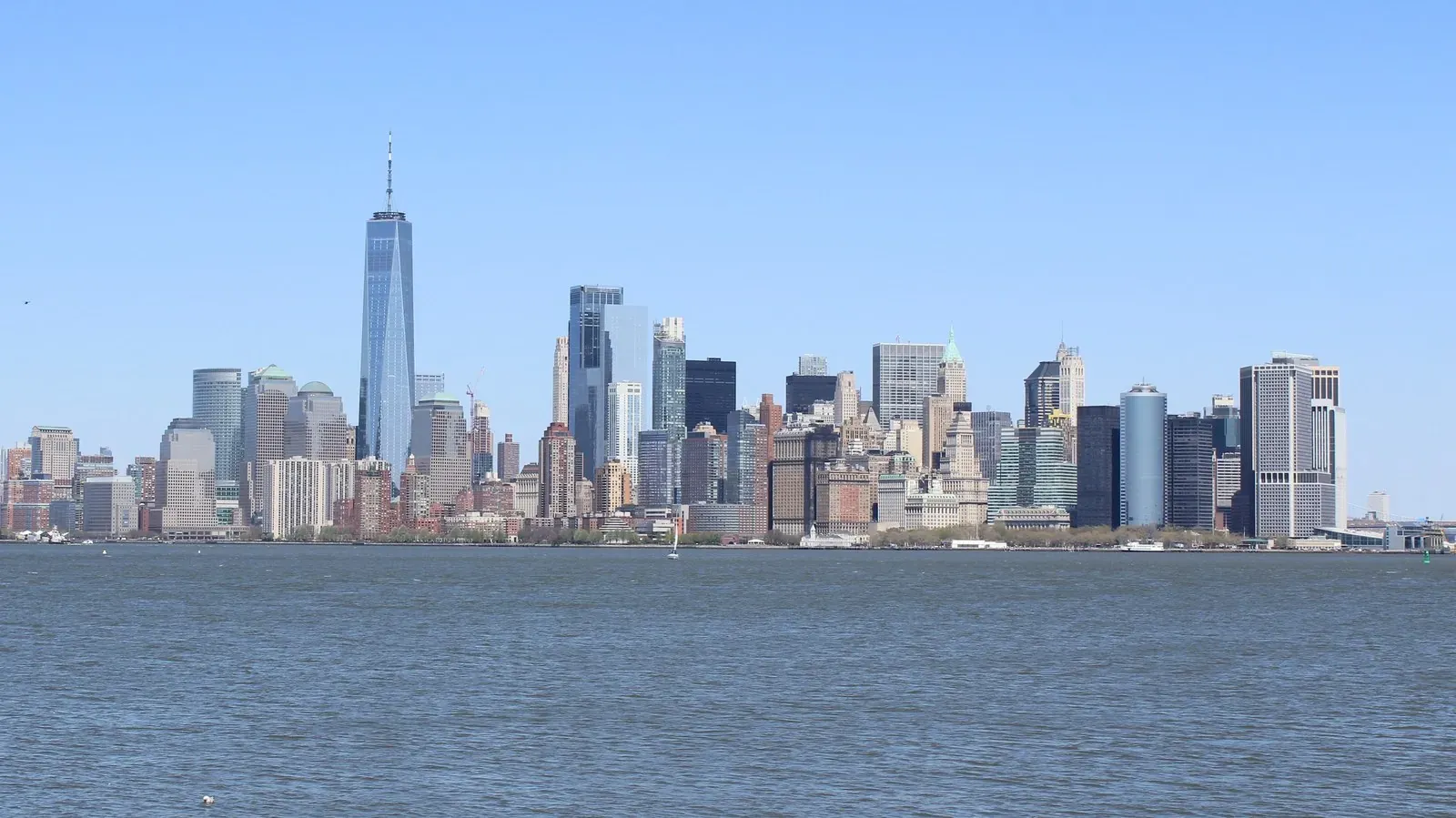
⚡ At a Glance Overview
Make the Decision Fast
Build each day around a geographic cluster, then move the trip across Manhattan in a deliberate sequence instead of zigzagging between must-dos.
You want a first-trip framework that balances major sights with neighborhood time and keeps repeated transit legs under control.
Do not treat the plan as an hourly reservation grid; weather, energy, ticket times, and restaurant availability should still be allowed to move.
Why We Chose This
The solo weekend covers two days of mood; WM-061 covers one spine. Three-night visitors need day-to-geography logistics—including show night—without a twelve-attraction list.
Editorial Notes & Caveats
This is geography-first logistics, not a twelve-attraction checklist. Brooklyn, Jersey City, and the Cloisters are separate trips—not afternoon add-ons. Broadway ticket buying and channel choice live in the Broadway tickets guide; outdoor half-days are covered in the park vs High Line vs Cloisters comparison.
Three days in Manhattan fail when each morning starts with a new pin on the opposite side of the island from yesterday’s dinner. The borough rewards sequences that stay in one geography long enough to sit down, eat without a subway transfer, and end near the hotel line you already learned—not hero days that cross from harbor to Museum Mile to Harlem before lunch.
This guide assumes three nights, first or second visit, mixed walking ability, and no obligation to “see everything.” You are assigning neighborhoods to calendar days: downtown harbor and civic core, then park plus one museum choice uptown, then villages or Harlem—not all three on the same afternoon. If you only have one day, open the one-day first-visit guide instead; if you have two days and want mood over logistics, the solo weekend plan distributes energy differently.
Hotel geography still matters. Sleeping in FiDi shortens Day One and lengthens Day Two; sleeping on the Upper West Side inverts that math. Read the where-to-stay guide and subway primer before you treat this map as a schedule—you need a home line that matches the first day you actually plan to walk.
How to assign days to geography
Think in corridors, not icons. Day One owns everything south of Chambers Street and the Brooklyn Bridge approach—harbor stone, memorial rhythm, bridge light before dusk. Day Two owns Central Park’s south end and one museum block on the Upper West Side or Upper East Side—not both coasts of the park in the same morning. Day Three owns one village pace or one uptown culture afternoon: West Village slow walk, SoHo cast-iron, or Harlem food-and-music—pick one, not a triangle tour.
Backtracking happens when you chase social-media pins that ignore subway time. Crossing from the 9/11 Memorial to the Met and back downtown for dinner is not three days—it is one expensive mistake repeated. Protect transit buffers the way you protect meal time: fifteen minutes per unfamiliar transfer, more on weekends when the MTA posts service changes.
Hotel placement steers which day feels “easy.” A Financial District room makes Day One a walk out the door and Day Two a deliberate uptown ride; an Upper West Side room flips that math. The where-to-stay tool narrows neighborhood hubs before you book; this guide assumes you can reach each day’s starting station without a cross-borough taxi rescue at 8:00 a.m.
If you are comparing this frame to the solo weekend itinerary, the difference is calendar discipline. The weekend piece balances mood across two days; this piece assigns harbor, park, and village geometries across three nights—including what to postpone when a Broadway ticket appears.
- Day 1: downtown / Financial District / bridge approach.
- Day 2: Central Park south + one museum (UWS or UES—choose one).
- Day 3: West Village, SoHo, or Harlem—one geography only.
- Broadway night: anchor Day 2 or 3 near Times Square/Hell’s Kitchen, not Day 1 downtown.
- Cuts: Statue ferries, Cloisters, second observation deck, Brooklyn as a “quick” add-on.
Day 1 downtown harbor and civic core
Start at Bowling Green or Wall Street and walk north on foot. The 4/5 to Bowling Green, R/W to Whitehall, or J/Z to Chambers Street–City Hall lands you in the grid this day owns. Do not open with Midtown—save vertical skyline energy for Day Two’s park edge.
Walk the 9/11 Memorial plaza with time, not a selfie stop. Posted hours and security patterns slow naive visits; check the official memorial site before you promise someone a quick detour. Pair the plaza with the Oculus concourse for bathrooms and climate control—not because the mall is the attraction, but because it is a sensible reset node on a long walking day.
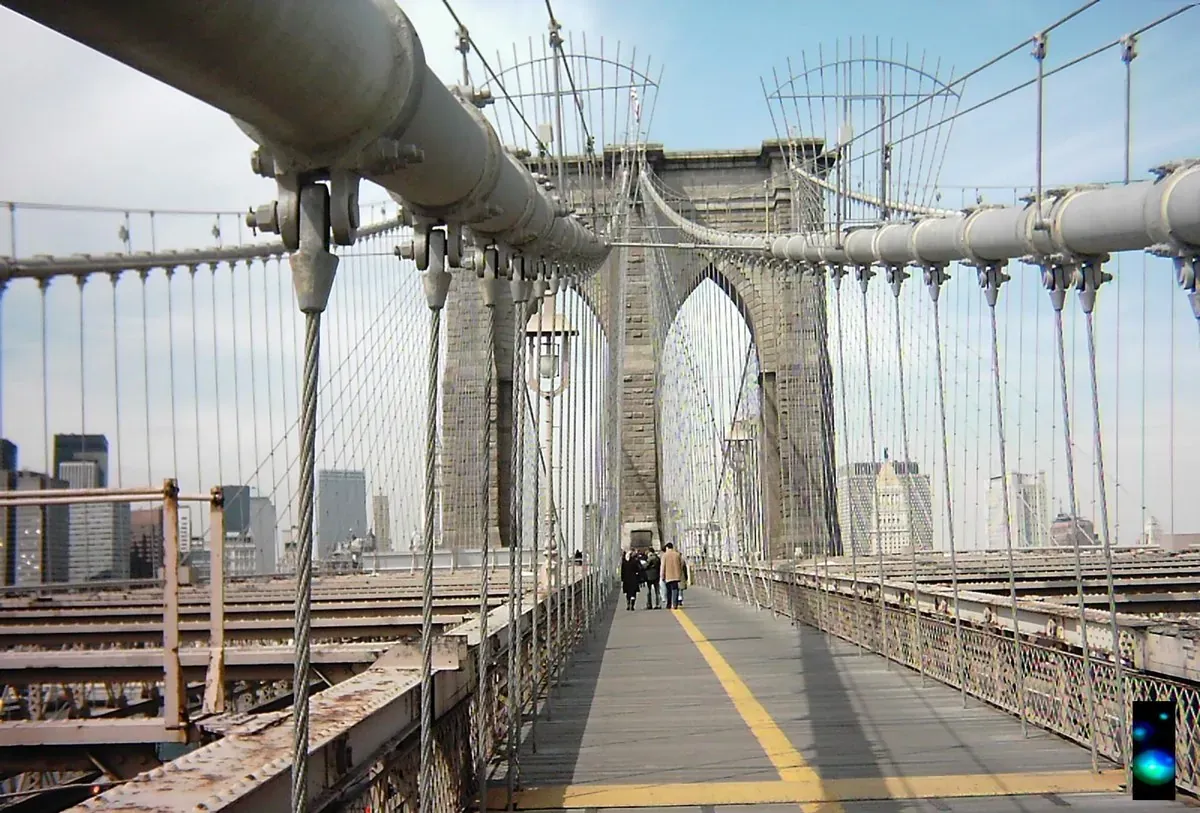
Reach the Brooklyn Bridge pedestrian entrance while you still want stairs. Weekend crowds thicken after lunch; a late-afternoon approach beats a dark march. You do not need to cross to Brooklyn to call Day One complete—the Manhattan cables and river view still finish the harbor story if legs disagree.
Dinner belongs downtown or one stop north on a line you already rode—Chinatown, Tribeca, or a Financial District sit-down you researched before hunger struck. The Lower Manhattan one-day guide goes deeper on ticketed harbor stops; this day borrows its spine without stacking ferries, observatories, and bridge on top of a museum you smuggled in from Day Two.
Wall Street lanes, Trinity churchyard, and Stone Street lunch plazas are optional texture—not mandatory pins. Skip them before you skip the memorial walk or bridge light. Downtown weekends bring bridge tourists and memorial queues; a Friday or Sunday Day One often feels calmer than cramming harbor stone into a Saturday show night.
Day 2 park, museum choice, UWS or UES
Ride to 72nd Street, Columbus Circle, or 81st Street–Museum of Natural History depending on your museum pick. The B/C to 81st serves AMNH; the 1 to 72nd serves a park-first morning; Columbus Circle (A/C/1) works when you want a circle reset before entering the park.
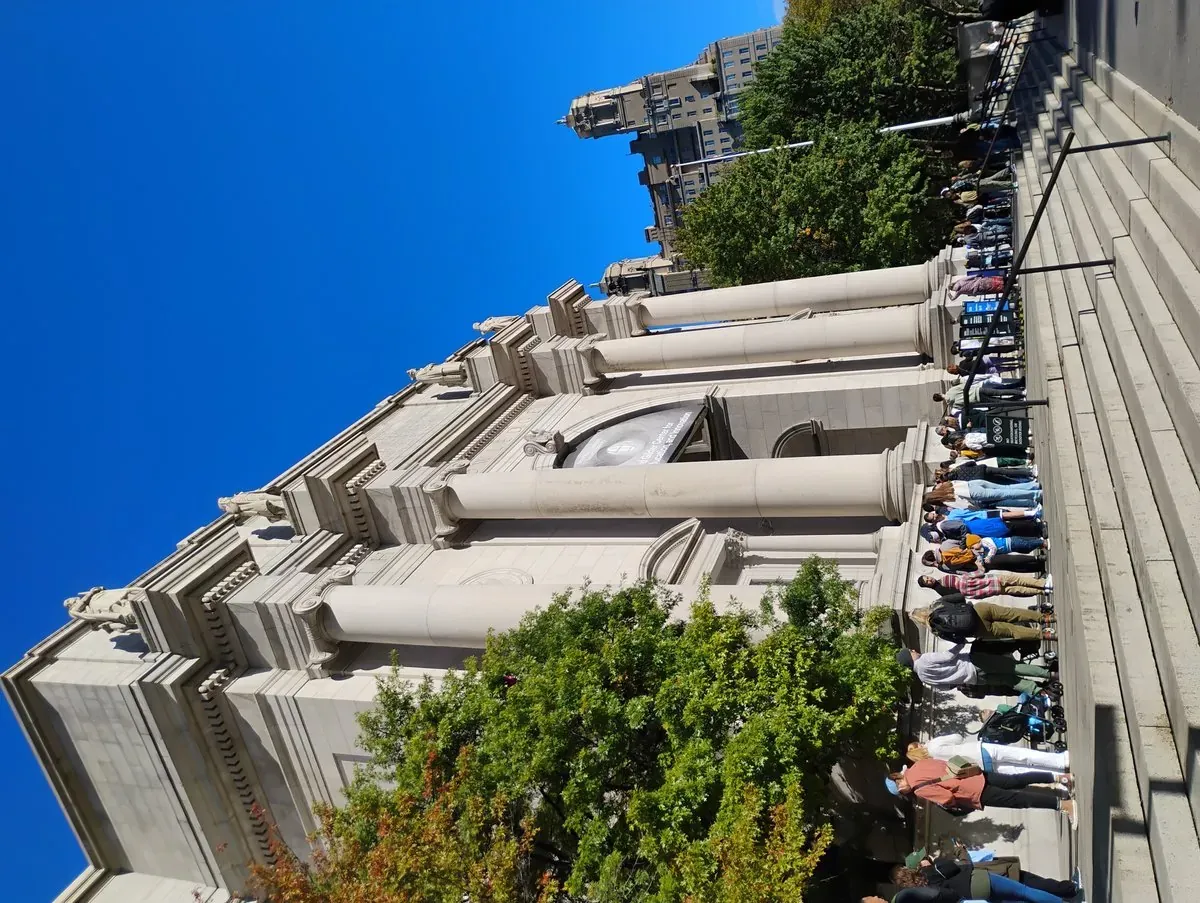
Walk Central Park south from 72nd with benches built in: Bethesda Terrace, the Mall, or Sheep Meadow for skyline and grass. Central Park Conservancy posts hours and path alerts—verify before you schedule a photo around a closed arch. Lunch can be takeaway on the lawn or a sit-down on the Upper West Side; the eat-near-Central-Park guide helps when you want a named table instead of a deli counter.
Pick one museum block, not Museum Mile. The Met, AMNH, or a single Upper East Side collection can consume a morning you thought you were sharing with the park. Timed tickets sell out on peak weekends—book before you cross town. Families often bias AMNH and the Upper West Side family day shape; art-first visitors may bias the Met and a shorter park loop.
End uptown by early evening unless you hold a theater ticket that night. If Broadway is tomorrow, keep Day Two lighter—standing-room legs are not built on a full museum crawl plus a late Village dinner. Buy or confirm tickets through the Broadway tickets guide before show night, and finish Day Two near your hotel line or pre-theater neighborhood.
Upper East Side versus Upper West Side is a Day Two fork, not a both-sides-of-the-park march. The Met and the Guggenheim live east; AMNH and the Natural History subway stop live west. Pick the museum that matches your group’s attention span, then build lunch and coffee on the same side of the park. Crossing Central Park at midday for a second institution is how Day Two becomes two half-days of transit.
Day 3 villages or Harlem — pick one
Day Three is pace, not density. West Village rewards slow afternoons and coffee stops without a landmark checklist. SoHo rewards cast-iron architecture and short indoor pauses—read the first-timers SoHo guide before you treat shopping as the point. Harlem rewards culture and food with a different subway logic—use the Harlem first-visit guide and neighborhood hub when music and history anchor the afternoon, not when you are squeezing it after two heavy days.
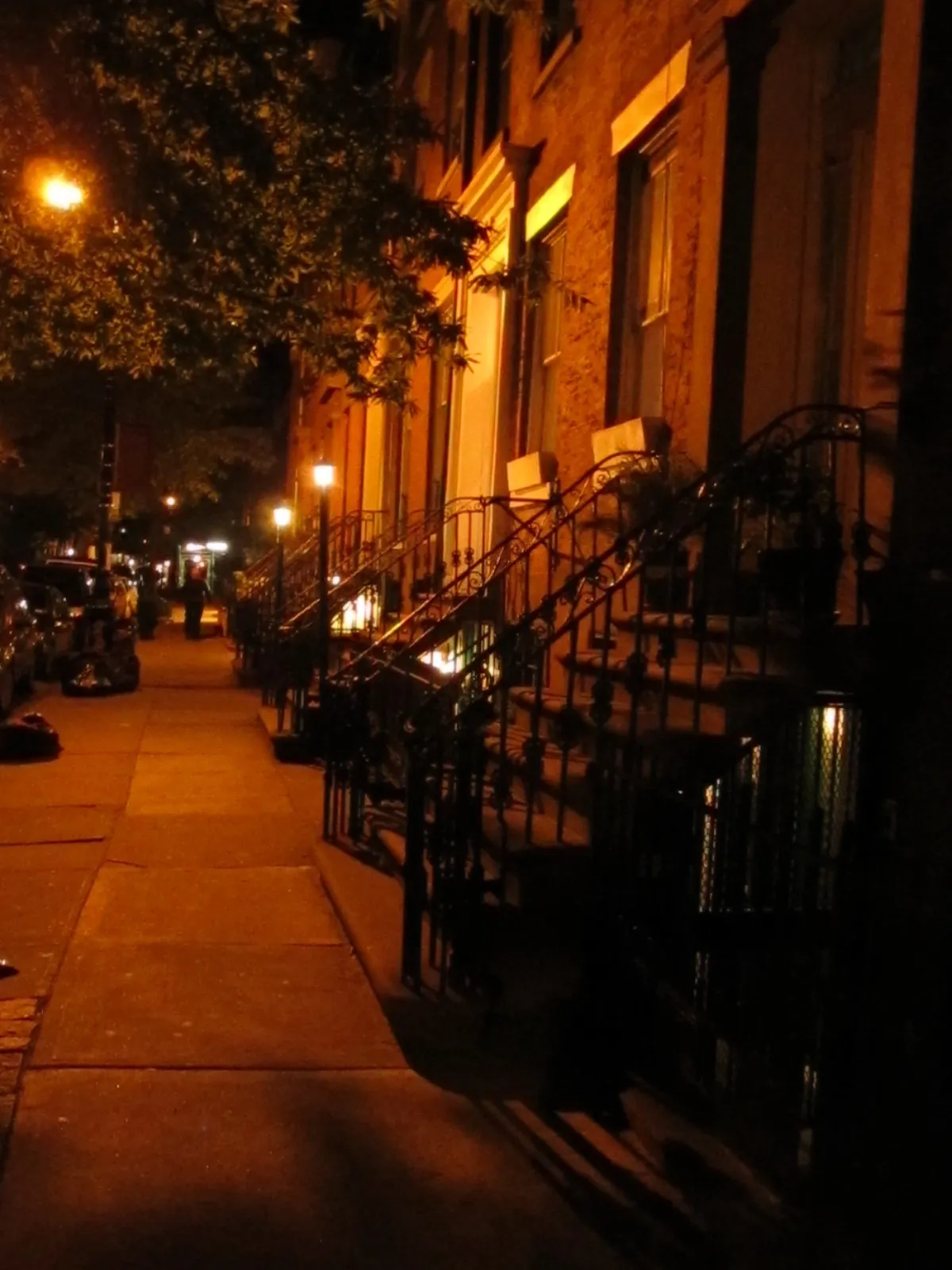
Do not combine West Village, SoHo, and Harlem because they all sound “downtown-ish” on a map. Pick one village geometry and walk it until dinner. If energy is low, shrink to a single coffee-and-park afternoon—the recovery day guide is a better honest plan than dragging a tired group through three neighborhoods for completeness.
If Day One and Day Two already felt long, Day Three should be the shortest—not a salvage sprint through every remaining pin. Rain pushes villages indoors: bookstores, small museums, and café sits linked from the rainy-day plan. Heat pushes Harlem and SoHo walks to morning and shade.
Harlem as Day Three means culture and food, not a midnight club stack after two walking days. The neighborhood hub frames pace and caveats; the Harlem first-visit guide routes Apollo-area time without treating uptown as a checklist. West Village Day Three means benches, one pastry stop, and permission to skip every boutique window.
If you have a Broadway ticket, what the other two days must absorb
A show night re-anchors geography around Times Square and Hell’s Kitchen. Put the heavy museum-and-park day on the calendar day before or after—not the same morning as a matinee, and not after a downtown bridge march. Pre-theater dinner windows are tight; the after-show eating guide covers Hell’s Kitchen and nearby sit-down formats when curtain time is fixed.
Day One downtown still works with a show on Day Three evening—harbor walking finishes early, Day Two carries culture, Day Three stays short until you dress for the theater. A show on Day Two evening means Day One must stay walkable but not brutal, and Day Three becomes your slow village or Harlem day—not a second museum crawl.
What the non-show days must absorb: fewer ticketed interiors, earlier dinners on walking days, and explicit cuts to observation decks and ferries. Broadway is not “one hour”—it is an evening geography. Decide show night and buy through official or TKTS paths in the Broadway tickets guide before you book harbor ferries on the same calendar date.
Pre-theater dinner in Midtown has its own rush windows; Hell’s Kitchen fills when curtains are fixed. If your hotel is downtown, do not assume you will “quickly change” uptown—subway time plus bag drop consumes the buffer you needed for a calm meal. After-show eating is often simpler than pre-show seating when you already walked Day One and Two.
What to cut if someone gets tired
Fatigue is a routing signal, not a moral failure. Cut in this order: second museum, bridge crossing, third neighborhood, observation deck, Staten Island Ferry as a “free cruise,” Brooklyn as a half-day add-on. Keep one sit-down meal and one outdoor bench hour—they restore more than another landmark photo.
- Cut ferries and decks before you cut lunch.
- Cut Day Three geography in half before you cut Day One memorial time.
- Swap outdoor loops for rainy-day indoor anchors when weather or legs disagree.
- Ride one stop of subway you planned to walk—OMNY is cheaper than a grouchy group.
- End the day near the hotel line instead of “one more” neighborhood.
Kids and older companions need earlier cuts. Stroller logistics and playground resets belong in the family guides—not as afterthoughts on Day Two. If someone needs elevators, build them into the subway primer choices before Day One, not at rush hour on Day Three.
Mini-plans per day
Day 1 sample: 8:30 breakfast; 9:30 subway to Bowling Green; 10:00–12:30 memorial plaza and civic lanes; 12:30–1:30 lunch downtown; 1:30–3:30 Oculus reset and walk toward City Hall; 3:30–5:30 bridge approach; 7:00 dinner downtown. Buffer fifteen minutes per transfer.
Day 2 sample: 8:30 breakfast; 9:30 to 72nd or 81st; 10:00–1:00 park south loop with bench lunch; 1:30–4:00 one museum block; 4:30 coffee on UWS or UES; 6:30 simple dinner uptown or midtown if show night tomorrow. No second museum.
Day 3 sample (West Village): 9:30 coffee south of Christopher Street; 10:30–1:00 unhurried walk and one indoor stop; 1:30 lunch sit-down; 3:00 park bench or bookstore; optional early dinner. Harlem alternate: late breakfast, Apollo area walk, one sit-down meal, early evening—no club night stacked on tired legs.
Outdoor choice overload—Central Park vs High Line vs Cloisters—has its own comparison guide. On this three-day map, Day Two assumes Central Park; the High Line fits a Chelsea afternoon only if you cut a museum block, not as a fourth geography. Cloisters remains a separate half-day north on the A train, not a Day Three add-on.
Return to the first-visit topic hub if you still need airport, stay, and subway decisions in order. This three-day frame sits after those choices—once you know how you enter the city and which line you sleep on, assign days to geography and refuse the backtracking pin list.
Before you add another Manhattan walk, use the walking-load guide to decide how much each geography can ask from the same legs before the next day starts.
Suggested Route & Mini Plan
- Day 1: downtown memorial, Oculus reset, bridge approach—dinner downtown.
- Day 2: park south loop + one museum (UWS or UES)—no second ticketed block.
- Day 3: West Village, SoHo, or Harlem—pick one pace, not all three.
- Show night: protect evening geography; use after-show eating guide.
- Cuts: ferries, decks, Cloisters, Brooklyn “quick trips,” third neighborhoods.
One day only → one-day first-visit guide. Two mood days → solo weekend plan.
Curated Alternatives
One day in Manhattan if it is your first visit
One waking day with no theater ticket needs a single spine, not three geographies. Use the first-day guide when you are compressing Manhattan into nine to eleven hours.
Solo weekend two-day plan
Two days with a solo-travel mood—not three calendar nights—fits the balanced weekend shape better than this logistics frame.
Lower Manhattan in one day
If Day One is already committed to downtown harbor only, do not steal hours from this three-day map. The Lower Manhattan one-day route is the deep downtown version.
Frequently Asked Questions
What is the default three-day geography?
Day 1 downtown harbor and bridge approach, Day 2 Central Park south plus one museum on the UWS or UES, Day 3 one village pace or Harlem—not three neighborhoods on the same afternoon. Broadway night belongs on Day 2 or 3, not stacked on a downtown marathon.
Is this the same as the one-day first-visit guide?
No. WM-061 forces one spine in a single day. This guide spreads three geographies across three nights. Use WM-061 when you only have one waking day; use this when you have three calendar days to protect.
Where does a Broadway show fit?
Put the heavy park-and-museum day adjacent to show night, not the same day as a downtown bridge walk. Finish walking days by early evening, and use the after-show eating guide for dinner timing near the theater district.
What should we cut first when tired?
Cut ferries, observation decks, a second museum, and third neighborhoods before you cut meals and bench time. If Day Three energy is gone, shrink to one coffee-and-walk hour instead of forcing Harlem, SoHo, and the Village into one afternoon.
Can we add the Cloisters or High Line to this plan?
The Cloisters and a full High Line-plus-Chelsea afternoon are separate decisions—the park vs High Line vs Cloisters comparison guide explains which outdoor half-day to pick. On this map, Central Park owns Day Two; Cloisters is not a Day Three add-on.
Our recommendations are handpicked independently. No paid placement, no sponsored rankings. How we choose