
Neighborhood hub
The Upper East Side Beyond Museum Mile
The Upper East Side earns a trip when you want east-side residential calm, Lexington lunch rhythm, or one park loop—not when every visit defaults to a four-hour Met march. This hub decides whether Museum Mile geography fits your afternoon and points you to the non-museum guide.
Reader question: Should I spend time on the Upper East Side beyond a default Met-only script—and how does it differ from the Upper West Side?
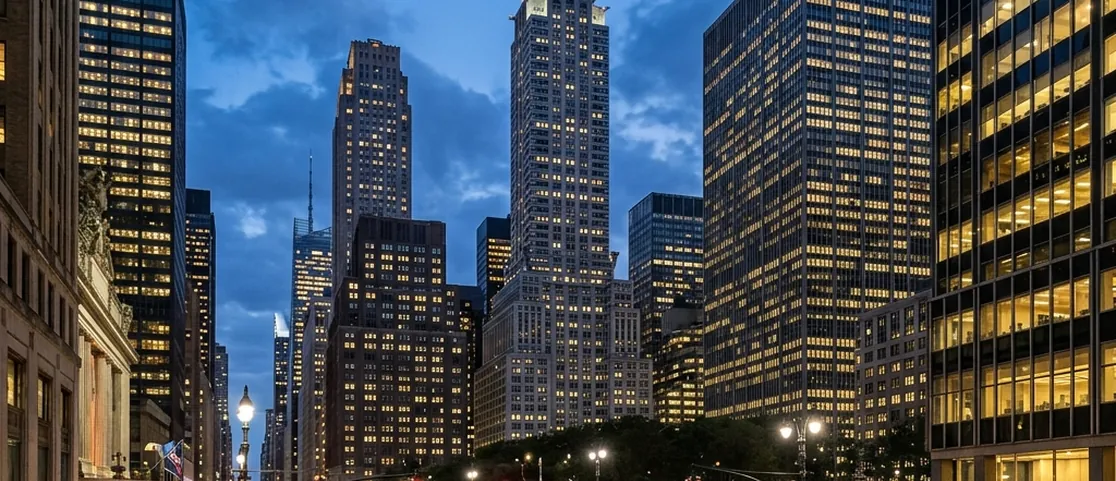
Who it fits
Visitors staying on Lexington or Third Avenue who want walkable uptown blocks without Midtown crush. Museum-adjacent walkers who already saw one collection and need lunch, coffee, and park air. Travelers who need a clear UES versus UWS fork before they book tickets on the wrong side of Central Park.
Who should pick another area
Skip when toddlers and AMNH dinosaurs own the day—the Upper West Side family day rhythm is west of the park. Skip when you only want harbor downtown or village nightlife. Skip when Fort Tryon and The Cloisters are the real goal—that trip is Washington Heights geography, not this grid. Skip stacking Met, Guggenheim, and a full park crossing in one afternoon.
Thinking about staying in Upper East Side?
Use the where-to-stay chooser to compare this neighborhood with other Manhattan bases using your trip anchor, noise tolerance, budget, kids, transport priority, and trip length. Then use How to Choose Where to Stay in Manhattan to check the exact hotel door, final payable room total, cancellation terms, and the route you will repeat most.
How much time is realistic
Plan three to four hours for a non-museum afternoon: Lexington coffee and lunch, one east-side park entrance, optional one small museum slot. A Met-heavy morning plus neighborhood walk is a different five-hour product—name it upfront.
The Upper East Side on the map is a residential grid east of Central Park from about 59th Street north—Fifth Avenue’s museum facades on the west edge, Lexington and Third Avenue carrying everyday diner rhythm, Carl Schurz Park at the northeast corner. Visitors often flatten it into Museum Mile: Met ticket, spiral staircase photo, taxi home—without asking whether the neighborhood beyond the ticket desk earned the afternoon.
The better frame is beyond Museum Mile: one east-side spine walk, one meal chosen before you sit, optional one park loop from an east entrance, and UES on the same calendar side as your museum ticket—not a cross-park march to AMNH at lunch because the map showed two museum pins.
What the Upper East Side is good at besides a Met default
Lexington Avenue from roughly 72nd to 86th carries coffee counters, Greek diners, and hardware-store texture between apartment towers—a useful lunch spine when Fifth Avenue price tags are not the goal. Madison Avenue between 70th and 79th is calmer for walking when you are not shopping luxury retail; gallery windows and specialty food shops without the museum-queue energy of Fifth.
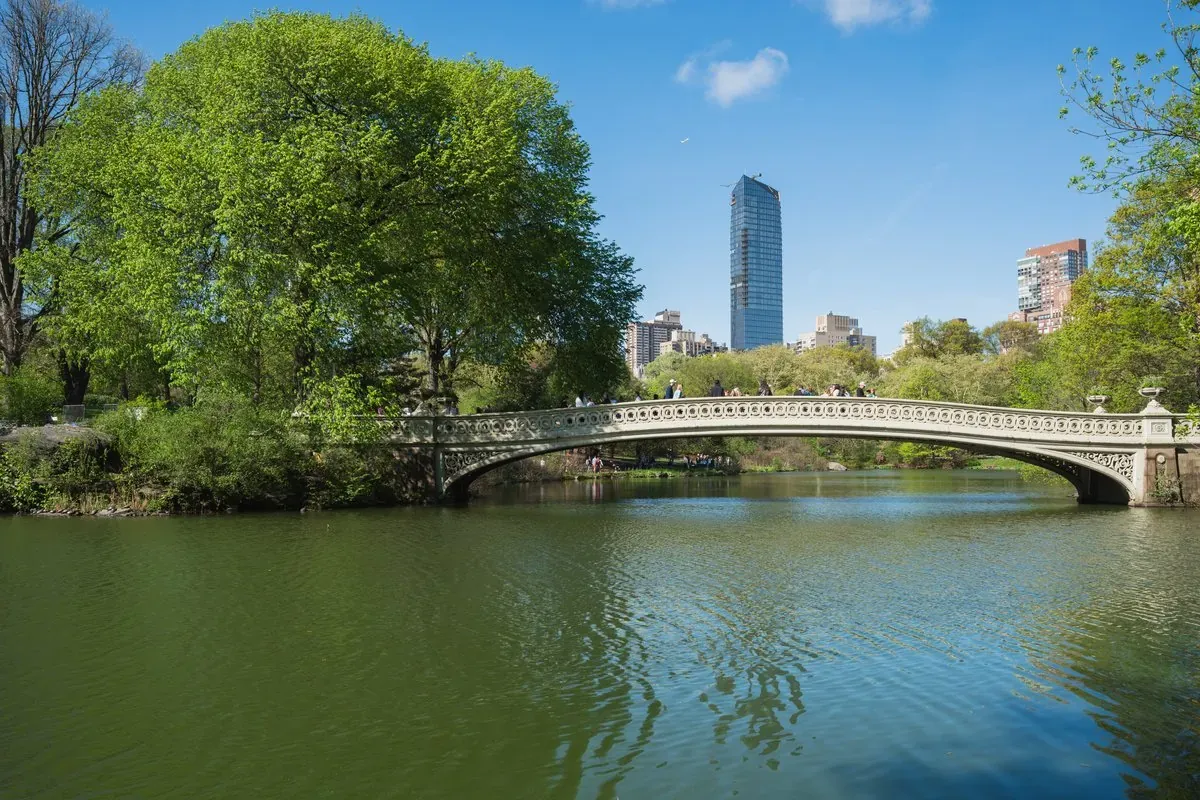
East-side Central Park entrances—Conservatory Water, 79th Street transverse approaches, Carl Schurz Park—let you finish with trees and benches without a full south-to-north park march. The payoff is residential calm plus one meal—not collecting every Fifth Avenue flag for a feed.
UES versus UWS: pick a coast per day
The Upper West Side skews park-adjacent family rhythm, wide sidewalks, AMNH, and Hudson breezes. The Upper East Side skews Museum Mile formal on Fifth, Madison retail, and Lexington diners. Crossing Central Park at midday for a second museum on the opposite coast is how Day Two becomes two half-days of transit.
If dinosaurs, playgrounds, Riverside, or a family-first museum day are stronger than Museum Mile, switch to the Upper West Side hub. Keep this Upper East Side page for Met/Museum Mile adjacency, Lexington-Madison rhythm, and the east-side park edge.
Hotel marketing often pushes first-timers east because the name sounds familiar. If AMNH and playground loops own your trip, sleeping west saves time. If the Met or Neue Galerie owns the morning, build lunch east and stay east for the afternoon—not a subway hop for a second institution.
Three-day geography and first-visit spines both treat UES versus UWS as a named fork. This hub decides which coast fits; the Upper West Side hub covers the west-side pace when kids or Riverside bookend the day.
Museum Mile without a ticket stack
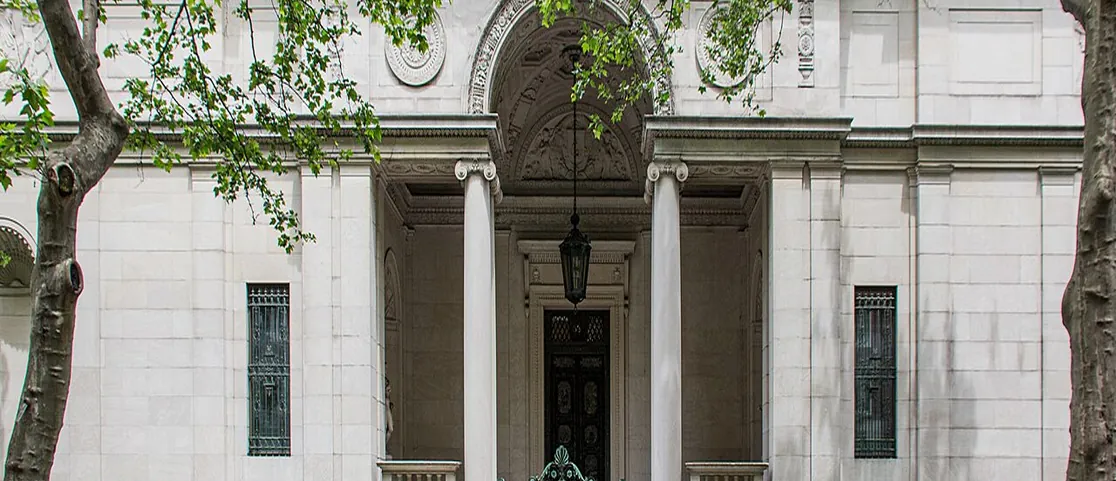
You can include one museum slot without turning the whole neighborhood into Museum Mile. If The Met is the anchor, decide first whether it gets one focused wing, about two hours, or a half-day; then let the east-side walk fit around that choice. The Morgan Library on Madison suits readers who want a more contained interior; museums matched to attention span matter when kids are in the group.
Stacking Met, Guggenheim, Neue Galerie, and Frick because they share a mile is how visitors leave exhausted and vague about what they saw. If you already booked the Met, treat the neighborhood walk as before or after—not filler between wings you are too tired to enter.
Outdoor afternoon overload on the same trip belongs in the park vs High Line vs Cloisters decision guide—not three green investments on one calendar afternoon plus Museum Mile.
Food and park borders
East-side lunch strategy lives in the Central Park border eats guide—options one or two blocks off Fifth so you do not settle for the tourist trays at the 59th Street corner. This hub addresses how long to stay and which streets to walk; it is not a ranked restaurant list.
Pick one format before you walk: diner lunch on Lexington, Madison bakery counter, or sit-down bistro if you accept reservation timing. One meal plus optional coffee—not a multi-stop tasting crawl copied from listicles.
Rain, heat, and when to pivot
Summer heat on east-side sidewalks favors entering the park early, lunch indoors on Lexington, then a shaded bench—not an open-ended Fifth Avenue photo march. Steady rain makes Lexington browsing miserable; the rainy-day plan sequences indoor clusters across Manhattan when weather owns the afternoon.
Winter wind pushes you toward diners and library reading rooms; Carl Schurz Park still works for a short loop if you are dressed for it. One museum plus coffee often beats an unplanned wet walk on Museum Mile.
What to read next on WhyManhattan
Open the Upper East Side if you are not only here for museums guide for the executable loop—Lexington spine, east-side park entrance, optional small museum, exit on the same coast. Use the Upper West Side family day guide when kids bias west. Use museums with kids when age picks the ticket. Use the Morgan spotlight for a short Madison interior. Use Central Park border eats for lunch math. Use three-day geography when UES versus UWS spans multiple days.
The decision in one line
Choose the Upper East Side beyond Museum Mile when you want east-side calm with one meal and one park loop—skip it when you are stacking major museums, crossing the park twice, or treating Fifth Avenue flags as the whole afternoon.
What this hub will not do
This hub is not a Museum Mile ticket checklist, a Madison Avenue shopping map, or a ranked restaurant dump. We do not paste Met floor plans or treat Fifth Avenue flags as mandatory photos. Cloisters day trips are mentioned only as geography caveats—not as east-side afternoon filler.
Practical caveats
Museum hours, timed entry, and pay-what-you-wish windows change—confirm on official sites before you cross town. Saturday Museum Mile stacks school groups and tourists; weekday late morning is softer for Lexington lunch. Summer heat on east-side sidewalks favors shaded park paths; steady rain pushes one indoor anchor plus coffee—not an unplanned wet Fifth Avenue march. Subway: 4/5/6 at Lexington–63rd, 68th, 77th, 86th; 6 at 72nd for east-side park exits; weekend service changes apply.
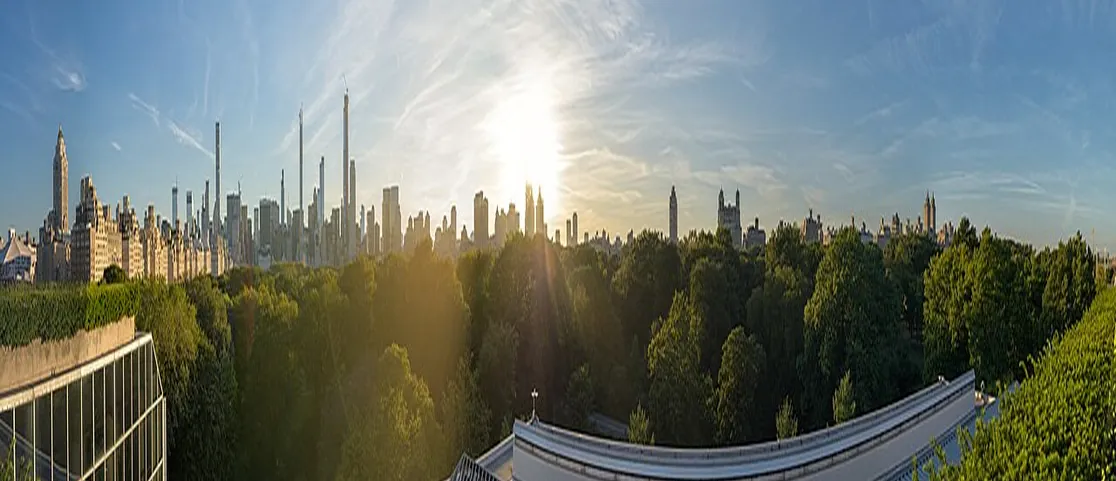
The Met: How Much Time Should You Actually Give It?
Give The Met one focused wing, roughly two hours, or a half-day depending on your interest and itinerary. The right visit ends before museum fatigue takes over.
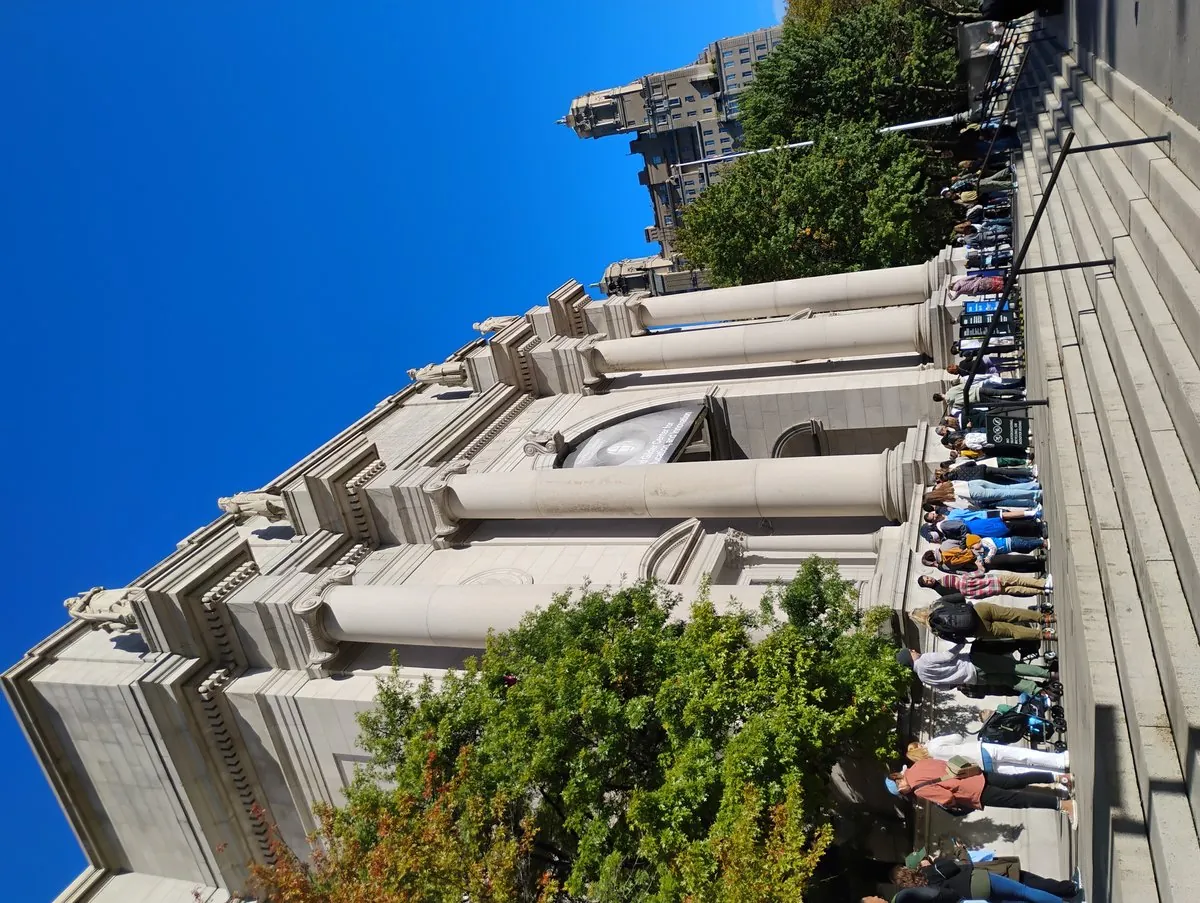
The Upper East Side If You Are Not Only Here for Museums
Decide when the Upper East Side earns a non-museum afternoon—Lexington diners, east-side park entrances, and how it differs from the Upper West Side’s park-and-kids rhythm.
The Upper West Side with Kids: An Easy Family Day
A family-friendly day on Manhattan’s Upper West Side: Museum of Natural History, Gilder Center, Central Park playgrounds, CMOM, and Levain Bakery treats.
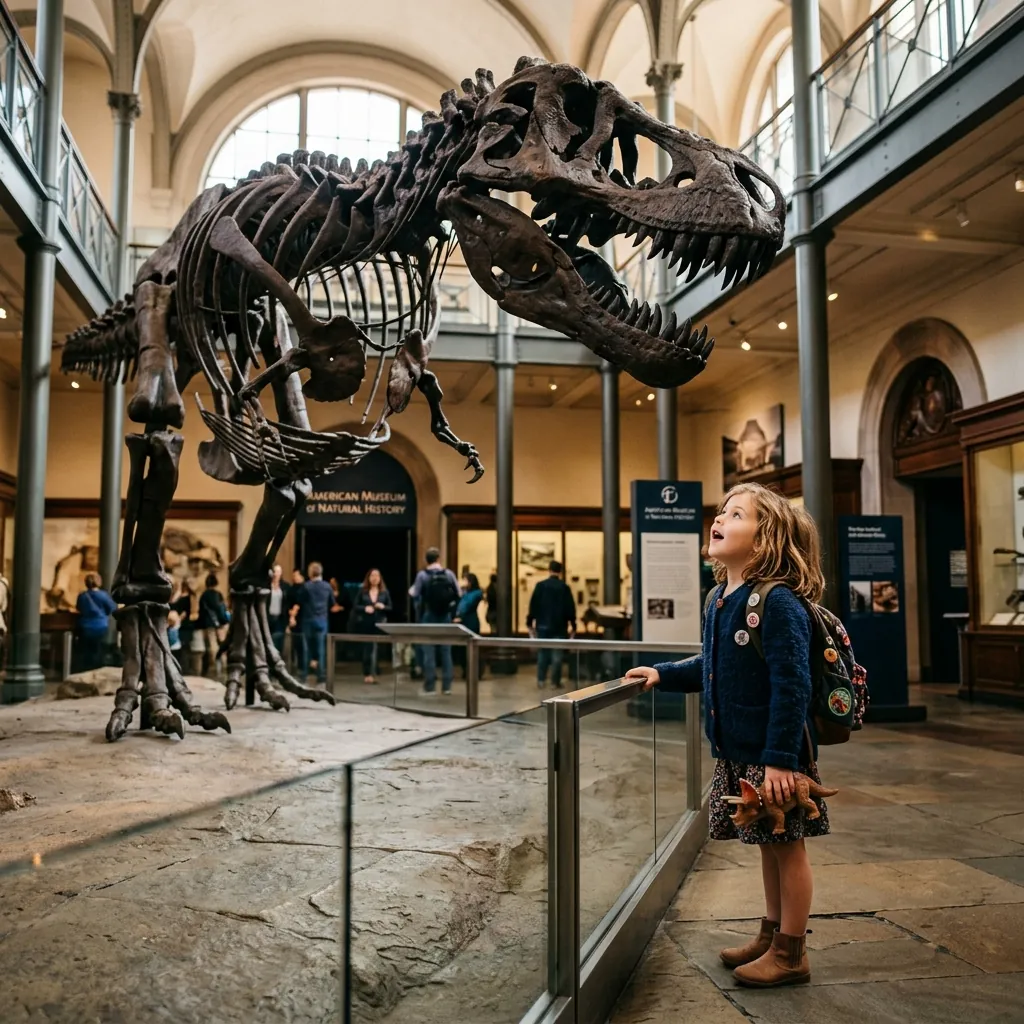
Manhattan Museums with Kids: How to Choose by Age and Attention Span
A practical guide to choosing the right NYC museum based on your child's age, interests, and attention span, ensuring a meltdown-free experience.
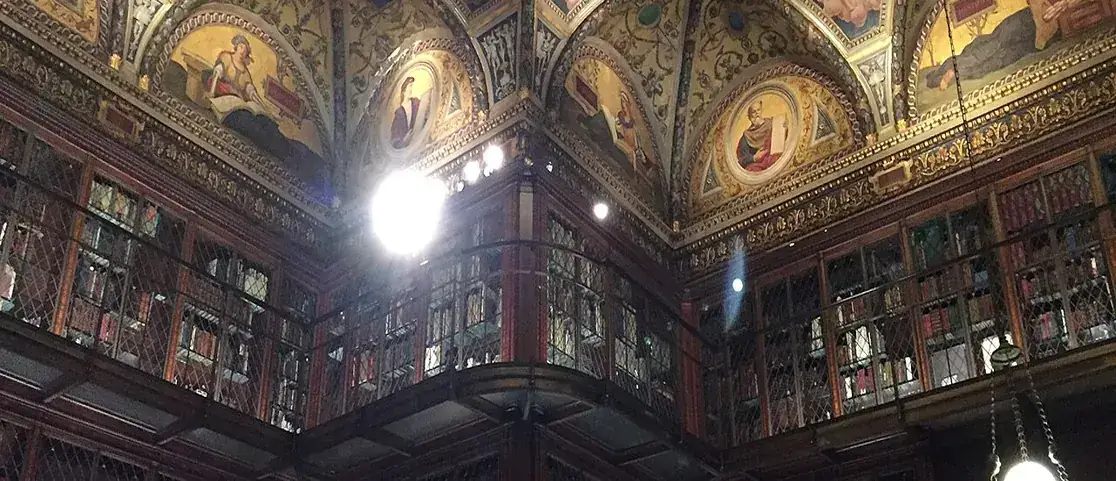
The Morgan Library & Museum: Who Should Make Time for It?
An authoritative editorial spotlight on The Morgan Library & Museum. Discover why this human-scale Gilded Age palace is Manhattan’s finest 90-minute cultural experience.
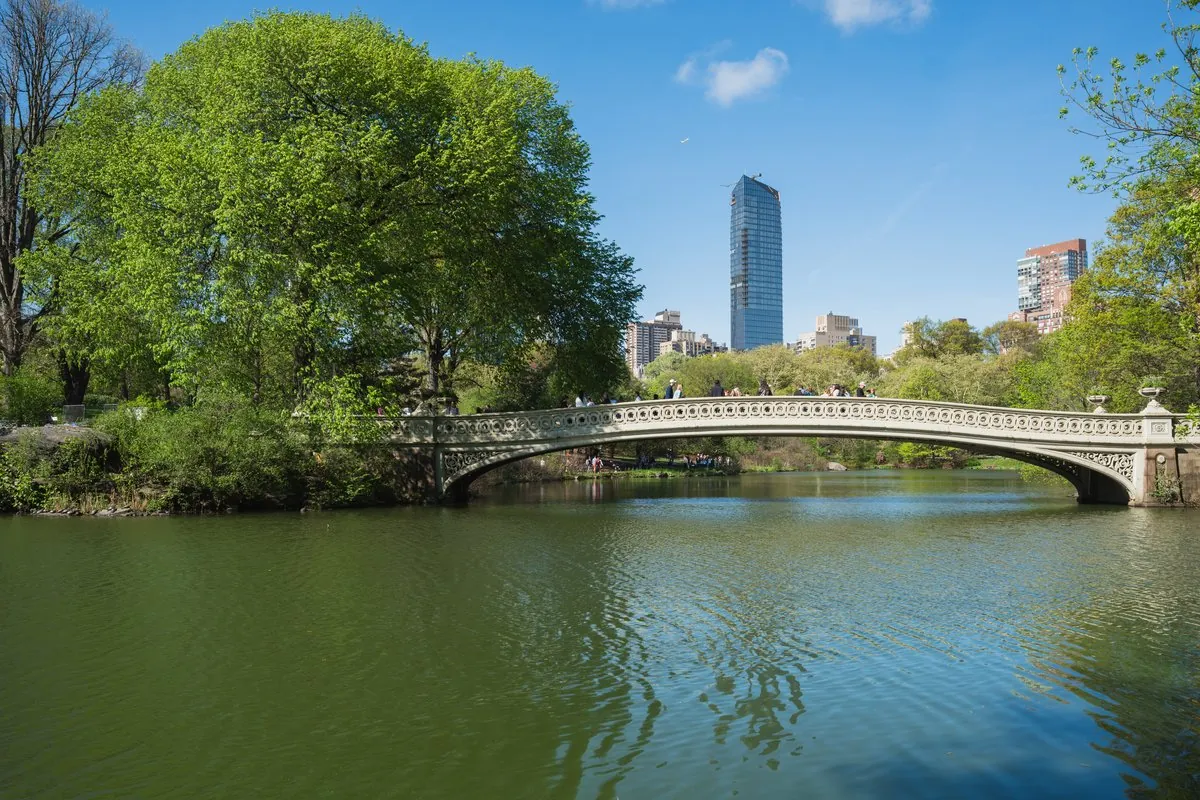
Where to Eat Near Central Park Without Settling for the Closest Option
Where to eat near Central Park: Avoid overpriced perimeter tourist traps, find top UWS delis, UES bistros, Columbus Circle eats, and Sheep Meadow picnic spots.
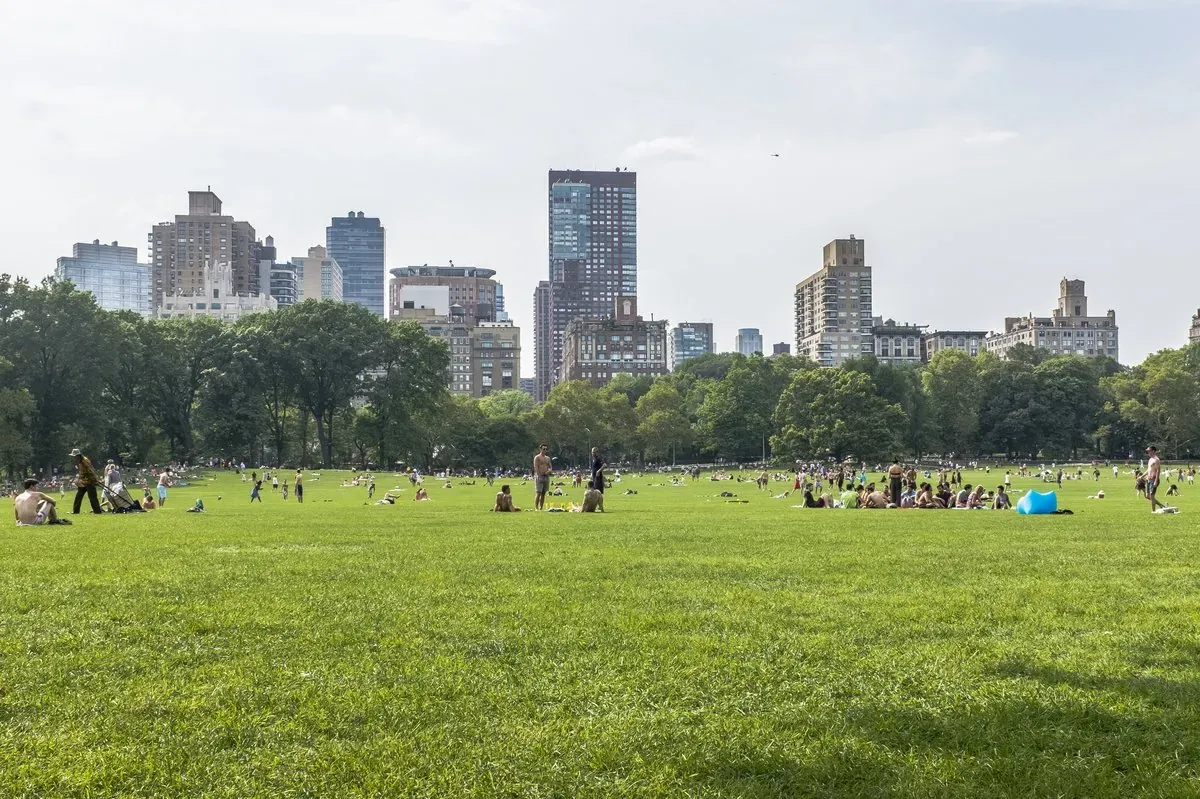
Central Park, the High Line, or The Cloisters
You cannot do Central Park, the High Line, and The Cloisters well in one day. Pick one by time, walking load, weather, and whether you want lawns, an elevated walk, or a quiet museum north.
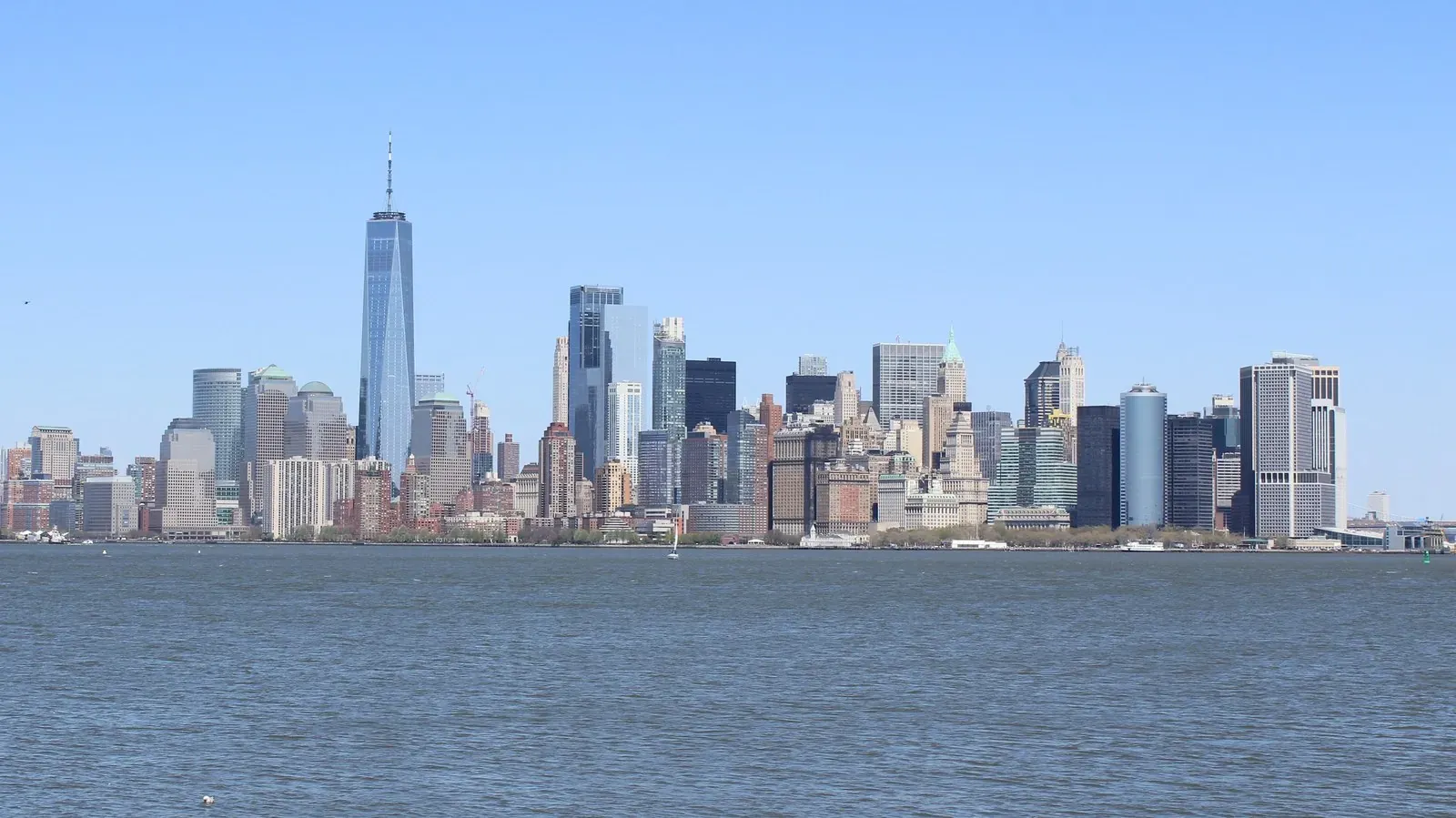
Three Days in Manhattan Without Backtracking
Assign downtown, park-plus-museum, and one village or Harlem day—three geographies, explicit cuts, and room for a Broadway night without cross-island rescues.
Our recommendations are handpicked independently. No paid placement, no sponsored rankings. How we choose