
Where to Take Out-of-Town Parents in Manhattan
A practical, reported guide to hosting visiting parents in Manhattan. Learn how to control daily pacing, navigate mobility friction, and choose places built for conversation.


⚡ At a Glance Overview
Why We Chose This
Rather than exhausting visiting parents with high-density tourist checklists or trendy high-volume venues, this guide prioritizes seating availability, low acoustic noise, elevator access, and effortless pacing.
Editorial Notes & Caveats
Avoid taking visiting parents through historical cobblestone districts like the Meatpacking District or lower Mercer Street in SoHo without checking footwear first. Additionally, verify elevator operation at subway stations before traveling.
Hosting visiting parents in Manhattan presents a unique set of challenges. Most residents love showing off their favorite local spots, but the everyday rhythm of NYC life—dodging aggressive pedestrians, standing on crowded subway trains, navigating narrow staircases, and shouting over blaring music in crowded bistros—can quickly overwhelm visiting relatives.
Parents in their 50s, 60s, or 70s often want to experience the authentic energy of the city, but they prioritize physical comfort, clear conversation, predictable seating, and reasonable pacing. Trying to drag them through a six-stop tourist sprint from Times Square to the High Line will leave everyone exhausted and stressed by mid-afternoon.
A successful visit is built on thoughtful pacing and smart venue selection. By replacing high-volume tourist traps with spacious, elegant, and low-friction alternatives, you can create a memorable trip that highlights the best of Manhattan without physical fatigue.
Controlling Pacing: The Two-Anchor Strategy
The single most effective rule when planning for visiting parents is the "Two-Anchor Strategy." Limit each day to exactly two primary activities: one mid-morning destination (such as a museum or garden stroll between 10:00 AM and 12:30 PM) and one late-afternoon activity (between 2:30 PM and 5:00 PM), separated by a relaxed lunch and a mandatory rest buffer.
Avoid back-to-back scheduling. If you visit a museum in the morning, do not immediately head into a two-mile walking tour. Instead, schedule a 90-minute sit-down lunch at a spacious neighborhood restaurant, or return to their hotel for an hour of downtime. Protecting energy reserves early in the day ensures everyone enjoys dinner without fighting fatigue.
Low-Friction Cultural Destinations: Space and Benches
Not all cultural institutions in Manhattan are created equal when it comes to mobility and noise. Massive museums like the Metropolitan Museum of Art can be daunting; walking across its vast wing spans requires miles of foot travel on hard marble floors with sparse seating.
Instead, seek out mid-scale, highly comfortable cultural venues. The Morgan Library & Museum on Madison Avenue (near 36th Street) is a stellar choice. Housed in J. Pierpont Morgan’s breathtaking original library, it offers world-class architecture and rare manuscripts within a compact, easily walkable footprint. Its glass-enclosed atrium features a quiet café with table service and accessible restrooms.
For outdoor strolls, skip the overcrowded central paths of Central Park near Bethesda Terrace and head to the Central Park Conservatory Garden at 5th Avenue and 105th Street. This six-acre formal garden offers flat, paved walking paths, stunning fountains, blooming seasonal flora, and abundant bench seating in a serene, quiet setting.
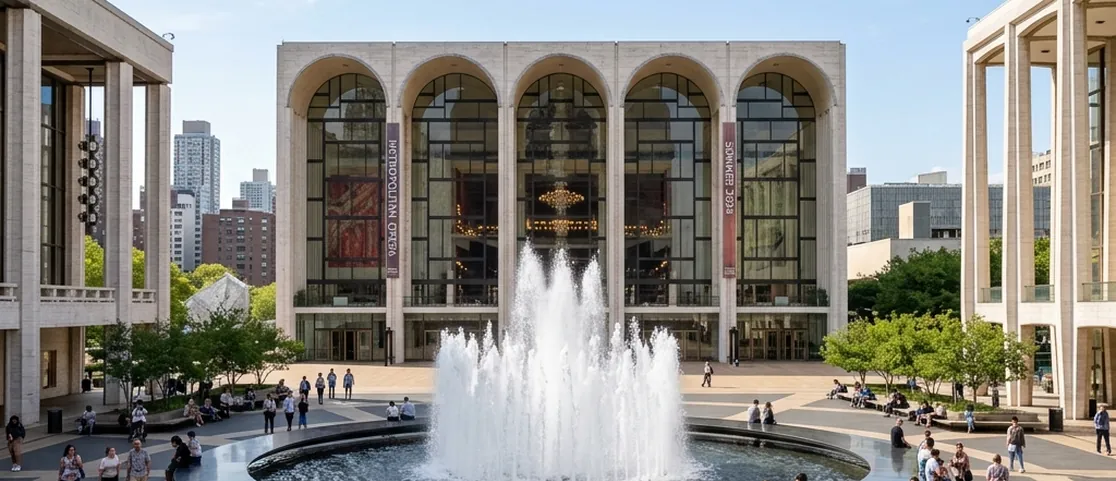
Similarly, Lincoln Center Plaza on the Upper West Side provides an ideal architectural promenade. The broad travertine marble plaza features wide steps, accessible ramps, the iconic revamping central fountain, and ample seating. It delivers classic NYC scale without the chaotic crowds of Midtown.

Dining for Conversation: Acoustics and Timing
Restaurant noise in Manhattan has increased significantly over the past decade due to modern interior design trends favoring exposed brick, polished concrete floors, and high ceilings. For parents, dining in a restaurant with high acoustic reverberation can turn dinner into a strain.
When selecting restaurants, look for venues with acoustic dampening: padded banquettes, carpeted or wood floors, tablecloths, and generous spacing between tables. Traditional uptown bistros (such as those along the Upper West Side or Upper East Side) and hotel dining rooms are far more conducive to meaningful conversation than downtown industrial spots.
Timing is equally crucial. Booking an early dinner reservation at 5:30 PM or 6:00 PM offers two major benefits: the kitchen and service staff are at peak attention, and the dining room noise level is a fraction of what it becomes during the 7:30 PM rush.
Mobility and Transit Friction Points
Transit fatigue is the invisible enemy of NYC family visits. While locals think nothing of walking 15 blocks or climbing three flights of subway stairs, this physical demand accumulates rapidly for out-of-town visitors.
Rely on short yellow cab or rideshare hops for cross-town trips or moving between non-adjacent neighborhoods. Spending $18 on a 10-minute taxi ride from Midtown to the Upper West Side is often a worthwhile investment to save 20 minutes of standing and stair climbing in subway stations.
If you do take the subway, stick to modern, accessible lines with reliable elevators—such as the Second Avenue Subway (Q line at 72nd St or 86th St) or major renovated hubs like Grand Central or 59th St-Columbus Circle. Finally, be mindful of street surfaces: avoid taking parents with ankle or knee issues down historical cobblestone blocks in SoHo or the Meatpacking District without checking their footwear in advance.
Suggested Route & Mini Plan
1. Plan max two anchor activities per day with a mandatory afternoon rest or hotel break.
2. Use Central Park Conservatory Garden or Lincoln Center Plaza for low-stress outdoor strolls with plentiful seating.
3. Schedule early dinner reservations (5:30 PM–6:00 PM) at spacious, low-noise venues.
4. Pre-check transit routes for elevator access or rely on short taxi rides to protect stamina.
Curated Alternatives
NYC Ferry Cruise Option
If walking is difficult, take the $4.50 NYC Ferry East River route from Wall Street / Pier 11 to 34th Street. It provides iconic skyline views with guaranteed seating and zero line stress.
Private Taxi Tour
If weather is poor or walking must be minimized entirely, hire a licensed yellow cab or car service for a 2-hour architectural loop around Midtown and Central Park.
Frequently Asked Questions
What is the ideal number of activities per day when hosting parents?
Two main activities per day—one in the morning and one in the late afternoon—is the optimal limit. Attempting three or more distinct neighborhood stops usually results in physical exhaustion by 4:00 PM.
How do I find quiet restaurants where we can actually talk?
Look for venues with carpeted floors, upholstered seating, and generous table spacing (such as hotel dining rooms or classic uptown bistros), and book early dinner slots (5:30 PM). Avoid trendy industrial spots with bare brick and hard concrete surfaces.
Should we take the subway or taxis when traveling with parents?
Use short yellow cab or rideshare hops for cross-town travel or when moving between non-adjacent neighborhoods. Subways are fine for direct north-south routes on lines with elevator access (such as the Q line along 2nd Avenue).
Our recommendations are handpicked independently. No paid placement, no sponsored rankings. How we choose