
The Upper East Side If You Are Not Only Here for Museums
Decide when the Upper East Side earns a non-museum afternoon—Lexington diners, east-side park entrances, and how it differs from the Upper West Side’s park-and-kids rhythm.

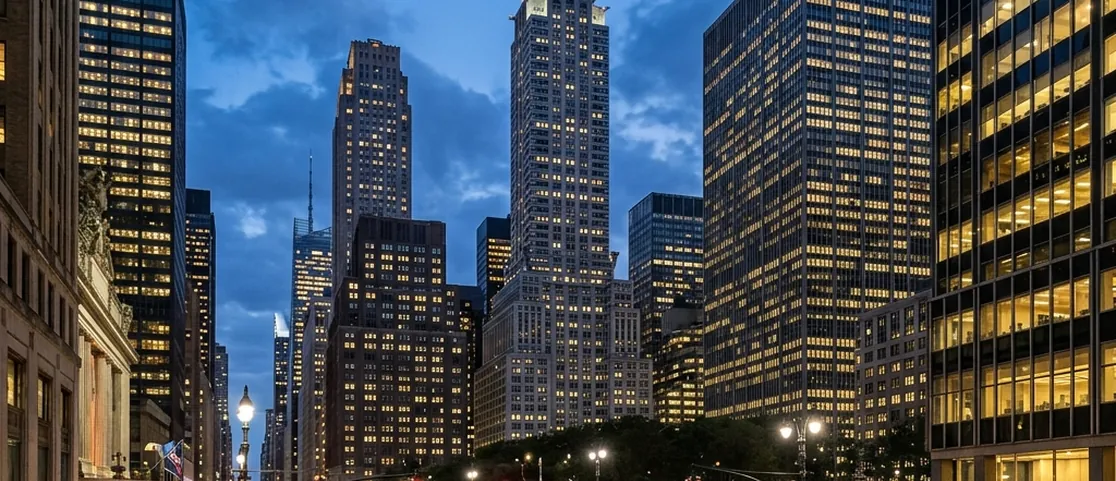
⚡ At a Glance Overview
Why We Chose This
Visitors flatten the Upper East Side into Museum Mile and miss Lexington rhythm, east-side park entrances, and the UWS fork. This guide fixes fit and walking logic without a museum encyclopedia or restaurant dump.
Editorial Notes & Caveats
Museum hours, pay-what-you-wish windows, and special exhibitions change—confirm on official sites before you walk. This is not a ranked restaurant list; east-side lunch strategy lives in the Central Park border eats guide. Street closures and film crews on Fifth Avenue shift crosswalks—follow posted detours. The Met Cloisters is in Fort Tryon Park, not on the Upper East Side grid.
The Upper East Side gets flattened into Museum Mile: Met ticket, Guggenheim spiral, maybe a Fifth Avenue photo, then a taxi home. That script works for art-first travelers with timed entries and stamina—but it is not the only honest afternoon on the east side of Central Park.
Judgment first: choose a non-museum Upper East Side afternoon when you want residential calm east of Fifth, Lexington diner rhythm, a short park loop from the east entrances, and maybe one small collection—not when you flew in primarily for Old Masters and need four hours inside the Met. The useful question is whether the neighborhood earns time without defaulting to a ticketed anchor.
This article is fit, walking logic, and UES versus UWS fork—not a museum encyclopedia or a restaurant dump. Cloisters day trips and kid-first museum checklists live in their own guides.
Who a non-museum east-side afternoon fits
Fits visitors staying on Lexington or Third Avenue who want a walkable grid without Midtown crush. Fits museum-adjacent walkers who already saw one collection and need lunch, coffee, and park air before dinner. Fits travelers who found the Upper West Side too far from their hotel but still want park edges without crossing the island twice.
Fits poorly when toddlers need wide stroller paths and AMNH dinosaurs—that is the Upper West Side family day rhythm west of the park. Fits poorly when you want nightlife bar rows; evening UES is quieter residential streets, not a village crawl. Fits poorly when you are trying to “do Central Park, the High Line, and The Cloisters” in one green afternoon—pick one outdoor investment with the park vs High Line vs Cloisters decision guide.
Upper East Side versus Upper West Side
The fork is geography and pace, not prestige. The Upper West Side skews park-adjacent residential calm, wide sidewalks, AMNH, and Hudson-side breezes—families often bias that west-side shape after a south park loop. The Upper East Side skews Museum Mile formal on Fifth, Madison Avenue retail, and Lexington Avenue diners—art-first visitors bias east when the Met or Neue Galerie owns the morning.
Crossing Central Park at midday for a second museum on the opposite coast is how Day Two becomes two half-days of transit. Pick one side for the ticketed block, build lunch on the same side, and treat the other coast as a different day—not a bonus pin because the map zoomed out.
Three-day geography and first-visit spines both treat UES versus UWS as a named fork, not a both-sides-of-the-park march. If your trip is Met-heavy, stay east. If your trip is playground-and-dinosaur heavy, stay west.
What the east side is good at besides a Met default
Lexington Avenue from roughly 72nd to 86th carries everyday rhythm: coffee counters, Greek diners, hardware stores, and dry cleaners between apartment towers—not a theme street, but a useful spine when you want a sit-down lunch without Fifth Avenue price tags.
Madison Avenue between 70th and 79th mixes gallery windows, specialty food shops, and residential cross streets where the noise drops within one block east. It is calmer than Fifth for walking when you are not shopping luxury retail.
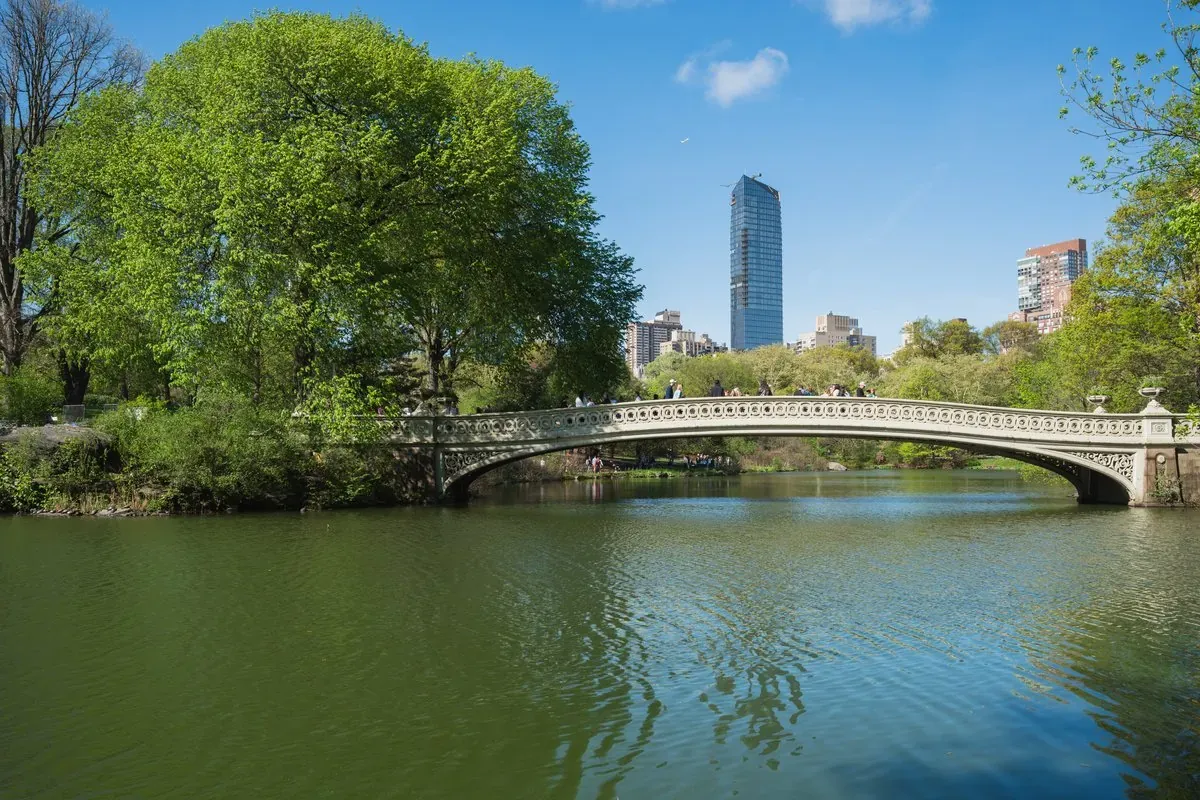
East-side Central Park entrances—Conservatory Water, the 79th Street transverse approaches, Carl Schurz Park at the grid’s northeast corner—let you finish with trees and benches without a full south-to-north park march. The park border eats guide names lunch options one or two blocks off Fifth so you do not settle for the closest tourist tray.
Museum Mile without a four-hour Met assumption
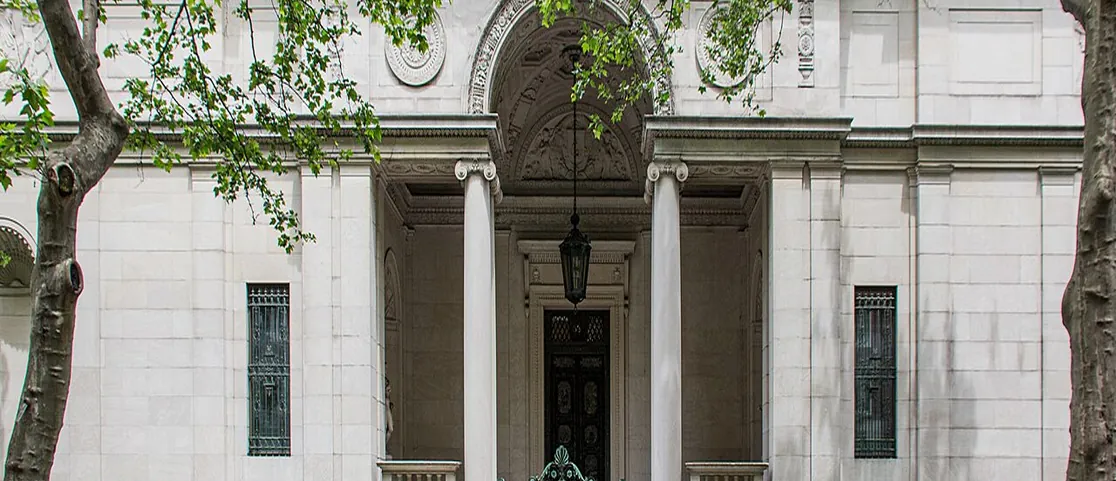
You can include a short museum visit inside a non-museum afternoon—one timed slot, not a mile of tickets. The Morgan Library on Madison suits readers who want a contained interior without Met scale; the Morgan spotlight guide decides whether that collection matches your trip.
The Met, Guggenheim, Neue Galerie, and Frick each deserve their own attention budget. Stacking two major collections plus a park loop is how visitors leave exhausted and vague about what they saw. If you already booked the Met, treat the neighborhood walk as before or after—not as filler between wings.
Museums matched to attention span matter when kids are in the group—the kids museum checklist is the right tool, not this neighborhood frame. Adults without children can still use one small collection as the indoor half of a rainy east-side day.
Rain, heat, and indoor pivots
Steady rain makes Lexington browsing miserable and Fifth Avenue crosswalks slick. The rainy-day plan sequences indoor clusters across Manhattan; on the east side, one museum plus a coffee stop often beats an unplanned wet walk on Museum Mile.
Summer heat on east-side sidewalks favors entering the park early, then lunch indoors on Lexington, then a shaded bench—not an open-ended Fifth Avenue photo march. Winter wind pushes you toward diners and library reading rooms; Carl Schurz Park still works for a short loop if you are dressed for it.
A non-museum east-side mini-plan
- Subway to Lexington–63rd, 68th–Hunter College, or 77th Street—pick the stop closest to your hotel line.
- Walk Lexington north or south for coffee and one diner or bistro lunch chosen before you sit.
- Cross west to a named east-side park entrance; timed bench or Conservatory Water loop—not a full Great Lawn march.
- Optional: one small museum slot if weather or energy requires indoors—the Morgan or a single timed ticket.
- Exit by your stop time toward the same subway line; do not cross the park for a west-side dinner without a reason.
Three to four hours is enough for most first visits without a major museum block. Five hours with Met plus neighborhood walk is a different product—name it upfront so the afternoon does not become a guilt march through galleries you are too tired to see.
When to leave—and when to skip entirely
Leave when you ate, walked one east-side spine, and finished a short park loop—not when you have photographed every Fifth Avenue flag and window. Leave before you book a second museum ticket out of FOMO because the map showed three pins on the same mile.
Skip a dedicated UES afternoon when the Upper West Side family day already owns your park morning, when you only want harbor or downtown geography, or when your group needs the Cloisters and Fort Tryon—that trip is uptown but not this grid.
Skip treating Museum Mile as mandatory on every first trip. Skip combining Met, Guggenheim, and a full Central Park crossing in one afternoon. The east side rewards one clear choice and a calmer walk—not every famous name on the same hungry march.
Before you give The Met another hour, use the Met time-box guide to decide whether the museum gets one wing, about two hours, or the whole half-day before you plan the neighborhood around it.
Suggested Route & Mini Plan
- Lexington or 77th Street subway; pick one east-side spine.
- Coffee and diner lunch on Lexington—chosen before you sit.
- East-side park entrance; timed bench or short loop.
- Optional one small museum if weather demands indoors.
- Exit on the same side of the park you started.
Curated Alternatives
Upper West Side park-and-kids rhythm
Dinosaurs, stroller-wide sidewalks, and Hudson breezes bias west. When kids or AMNH own the morning, the Upper West Side family day shape is the match—not a Fifth Avenue retail march.
Museums with kids checklist
When the only uptown question is which single museum ticket to buy, museums matched to attention span—not a neighborhood afternoon without a collection anchor.
The Cloisters trip decision
Fort Tryon and The Cloisters are Washington Heights geography, not Museum Mile. Do not treat a Cloisters day as a substitute for understanding the east-side grid.
Frequently Asked Questions
When is the Upper East Side worth a visit without museums?
When you want east-side residential calm, a Lexington lunch spine, and a short park loop without a four-hour Met assumption—or when your hotel sits east and crossing to the Upper West Side twice would waste the afternoon.
How does the Upper East Side differ from the Upper West Side?
The Upper West Side biases park-adjacent family rhythm, AMNH, and wider sidewalks. The Upper East Side biases Museum Mile, Madison retail, and Lexington diners. Pick one coast per day—not both museums across the park at lunch.
Can I include a short museum visit on a non-museum UES day?
Yes—one timed slot or a smaller collection like the Morgan fits a non-museum afternoon. Stacking Met plus Guggenheim plus a full park crossing is a different, exhausting day.
Where should I eat on a non-museum Upper East Side afternoon?
Lexington Avenue diners and coffee counters from roughly 72nd to 86th, plus options one or two blocks off Fifth named in the Central Park border eats guide—not the tourist trays at the 59th Street corner.
Is The Cloisters part of the Upper East Side?
Fort Tryon and The Cloisters are Washington Heights geography. Use the Cloisters trip guide for that decision—not this east-side neighborhood frame.
Our recommendations are handpicked independently. No paid placement, no sponsored rankings. How we choose