
Citi Bike in Manhattan: When It Saves Time
Use Citi Bike for short protected hops in Chelsea and west Midtown; take the subway when bridges, luggage, rain, or lane gaps make pedals a delay.

⚡ At a Glance Overview
Why We Chose This
Visitors treat Citi Bike like a cheap subway replacement. This guide fixes hop-level judgment—east-west wins, bridge and luggage stops, rain pivots, helmet honesty, and dated Class B pricing—without becoming a citywide cycling manual.
Editorial Notes & Caveats
Citi Bike pricing, e-bike rules, service area boundaries, and dock availability change—confirm on citibikenyc.com and the Lyft app before you ride. New York City does not require adults to wear helmets on bicycles, but traffic risk is real; this article is not legal advice and does not replace official Lyft/Citi Bike terms. Bridges, river crossings, and mixed-traffic avenues carry higher injury risk than protected paths. Do not treat a blog screenshot as today’s per-minute rate.
Citi Bike looks like freedom on a map: turquoise docks every few blocks, pedal-assist when you are tired, no waiting for a local train that stops every street. In Manhattan the honest question is narrower. Will a bike-share hop actually beat walking or the subway for this specific trip—and is the street environment safe enough that saving ten minutes is worth the stress?
Judgment first: unlock a Citi Bike when the distance is short, mostly flat, and partly protected—an east-west crosstown hop Chelsea to the High Line, a Hudson River Greenway segment, or a Central Park perimeter loop with docks at both ends. Take the subway when you are hauling luggage, crossing a bridge, riding in rain, or threading unprotected Midtown avenues at rush hour.
This guide is bike-share versus subway versus walk for one hop—not a complete cycling map of New York. The getting around Manhattan hub stacks airport, subway, luggage, and phone backups underneath your day shape; the subway guide teaches direction and express logic once you decide rails beat pedals.
Who Citi Bike fits in Manhattan
Fits confident adults who already ride in cities, carry little more than a day bag, and want to skip a slow crosstown bus or a three-transfer subway path. Fits hotel guests in Chelsea or west Midtown who can reach a dock without climbing a station staircase first. Fits visitors who already walked the High Line and want to return to Penn Station without a crowded 7 train at 5:30 PM.
Fits poorly when children under sixteen are in the party—Citi Bike account rules and bike sizing are adult-oriented. Fits poorly when you have never ridden in traffic and your trip is Times Square to the East River at rush hour. Fits poorly when summer with kids is the frame—heat, shade, and stroller logistics usually favor shaded Central Park lawns or the subway, not mixed-traffic pedals.
When Citi Bike saves time
East-west hops are the clearest win. Manhattan’s subway grid runs north-south; getting from Chelsea to the West Side Highway, from Midtown west to the Hudson Greenway, or from Columbus Circle toward the park’s west edge often means a bus, a long walk, or two subway lines with a transfer. A fifteen-block crosstown ride on a classic bike or a short e-bike burst can beat that—if you stay on avenues with bike lanes or cut through the park at permitted paths.
Park loops are the second win. Central Park’s drives and shared paths allow bikes at posted hours; riding the full loop is a workout, but a partial loop from one dock to another—say, entering near Columbus Circle and exiting toward the Upper West Side—can replace a tired post-museum walk. Pair with the park vs High Line vs Cloisters comparison when you are choosing outdoor time; bikes help inside the park choice, not as a substitute for picking one half-day anchor.
Chelsea afternoons are the third common fit. If galleries and Chelsea Market already put you west of Midtown, a dock near Gansevoort can carry you to Penn Station or Hudson Yards without reversing on the High Line stairs. The Chelsea art-food walk treats the elevated park as a walking segment; a bike is the return leg, not a second hero attraction.
Short Hudson Greenway segments reward bikes when you want river breeze without fighting taxi traffic on West Street. Enter at a protected ramp, ride north or south within your comfort zone, and dock before the path dumps you into unprotected intersections. Fifteen focused minutes on the greenway beats forty minutes of sidewalk weaving for many visitors.
When Citi Bike fails—or costs more than the subway
Bridges and luggage are the hard stops. Riding onto the Brooklyn Bridge pedestrian path with a Citi Bike is not the move tourists imagine—crowds, stairs, and rule enforcement make it a frustration. Crossing the Hudson to New Jersey requires leaving Citi Bike’s service area rules; treat bridges as walk-or-subway problems. Hard-shell suitcases, grocery bags, and camera backpacks turn balance into risk; store bags first or take the subway.
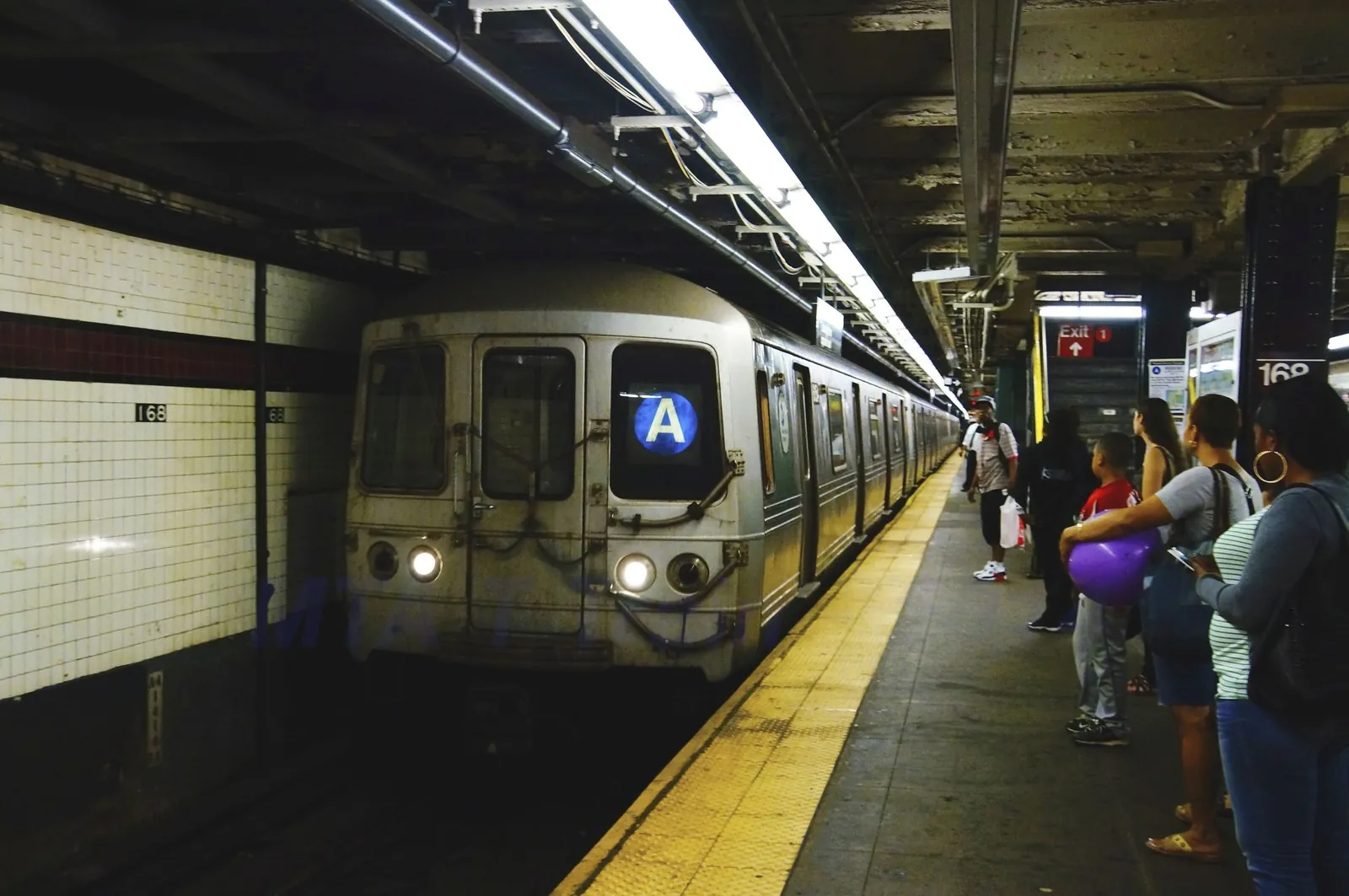
Rain, ice, and slick leaves remove the time advantage. Citi Bike decks are open metal; braking distance grows; drivers are worse. A $2.90 subway tap buys dryness and predictability. Steady rain is also when the subway beats a bike on pure comfort—even if the dock map still shows available bikes.
Protected-lane gaps are where tourists lose time and nerve. Midtown east-west routes often dump you into shared traffic for blocks. Lexington Avenue, Fifth Avenue in the tourist core, and crosstown streets without green paint mean riding between buses and cabs—not saving minutes. If your route preview shows more gray street than green lane, walk to the nearest express station or take a crosstown bus instead.
E-bike pricing surprises non-members. Official Citi Bike pages list a $4.99 unlock plus $0.41 per minute for e-bike upgrades and classic overages in NYC as of early 2026. A thirty-minute tourist e-bike ride can cost roughly $17—six subway rides. Pedal-assist is wonderful on hills; it is not automatically cheaper than the subway.
Classic bike versus e-bike for visitors
Classic bikes included in the first 30 minutes of a single ride fit flat crosstown hops and slow park loops. E-bikes help on the Hudson ramps and when fatigue is real—but each minute bills at non-member rates unless you hold an annual membership with capped e-bike fees. Annual membership at $239 per year suits locals and long-stay renters, not most week-long visitors doing three rides.
Lyft markets day passes for tourists who want multiple unlocks in 24 hours; run the math against subway taps before you buy. Two classic hops under 30 minutes each can cost two single rides—about $10—versus $25 for a day pass. Three long e-bike rides can exceed the day pass and still feel slower than the subway crosstown.
Helmets, traffic, and honest risk
New York State law does not require helmets for adults on standard bicycles. Citi Bike does not hand you a helmet at the dock. If you are not comfortable riding without one, bring your own or skip the bike—no rental counter will fix that gap at the kiosk.
Traffic honesty matters more than Instagram reels of smiling tourists on pedal-assist. Manhattan drivers turn across bike lanes, taxis stop mid-block, and delivery trucks occupy the green paint. Ride assuming you are invisible. Use hand signals, yield to pedestrians at crosswalks, and never ride the wrong direction on a one-way street to save a block.
Tourists on e-bikes in mixed traffic are a visible category—and not always a welcome one. Acceleration is faster than walkers expect; silent approaches startle people stepping off curbs. Keep speed moderate in Midtown crosswalk zones. When the lane ends, get off and walk rather than squeezing between parked cars.
Night riding changes the equation. Docks remain open, but lane visibility drops and bar crowds spill into streets. After 10:00 PM, the subway or a yellow cab often beats a nervous first-time ride home—especially if you had drinks.
Midtown and Chelsea: where the copy meets the street
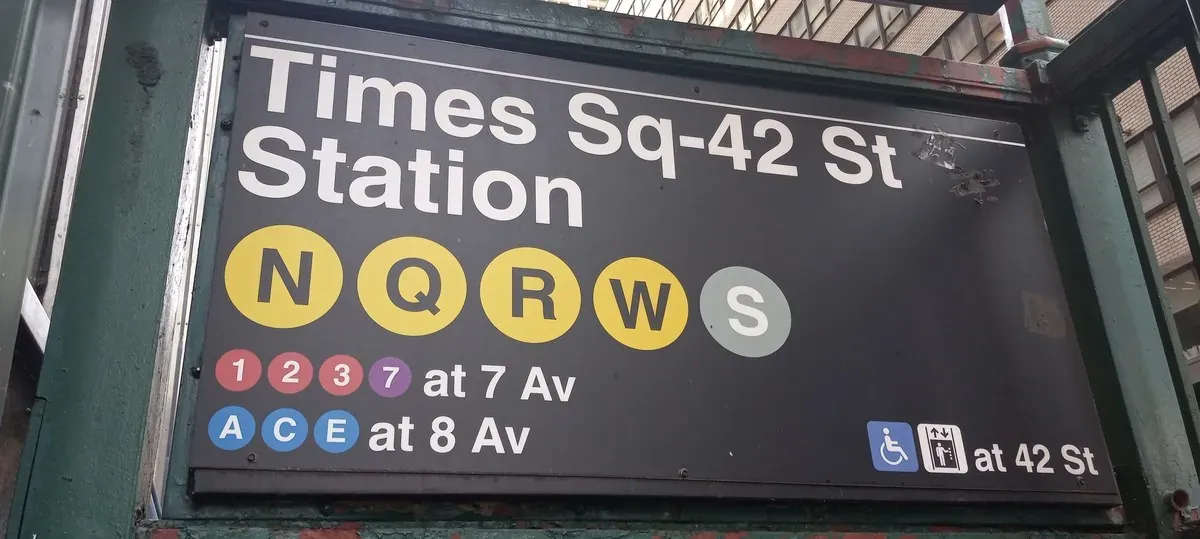
Midtown is where bike-share time savings die in traffic. Times Square to the UN, Rockefeller Center to Murray Hill, or any east-west move across the 42nd Street canyon during rush hour rarely beats an express train—even with pedal-assist. Use bikes on Midtown’s edges: west toward the greenway, south toward Chelsea, or into Central Park from Columbus Circle—not across the theater district at curtain time.
Chelsea is the friendlier bike neighborhood in this article’s geography. Docks cluster near the High Line stairs, Chelsea Market, and west-side galleries. A Chelsea afternoon on foot can end with a dock-to-Penn ride if luggage is light and the lane preview looks green. If the afternoon was already the High Line on foot, do not add a second elevated experience—descend, eat, and either walk or take one short bike leg home.
Pricing snapshot—verify before you unlock
Class B figures from official Lyft/Citi Bike pages as of August 2026: non-member single ride $4.99 including the first 30 minutes on a classic bike; $0.41 per minute for e-bike upgrades and overages in NYC. Day pass $25 for unlimited 30-minute classic rides within 24 hours with the same per-minute overage. Annual membership $239 per year with 45-minute classic rides and member e-bike rates at $0.27 per minute, capped at $5.40 for qualifying Manhattan-entry trips under 45 minutes. Reduced-fare programs exist for eligible residents—tourists should not assume those rates apply.
Open citibikenyc.com/pricing the week you travel. Promotional unlock credits in the Lyft app change; street posters may be stale. Compare every planned hop to a $2.90 OMNY subway tap and honest walking time from Google Maps—not to what a creator saved on one cherry-picked dock-to-dock sprint.
A Citi Bike decision mini-plan
- Name the hop: origin dock, destination dock, and whether bags stay behind.
- Preview the route: green lanes and park paths versus gray Midtown shared traffic.
- Check weather and time: rain, rush hour, and night each favor the subway.
- Run fare math on official pages: classic versus e-bike versus subway tap.
- Unlock only if traffic comfort matches the saved minutes—otherwise walk or ride the subway.
Two or three successful hops in a week is a realistic tourist ceiling—not a replacement for learning the subway. Stack movement decisions with the getting around Manhattan frame: airport door, one subway corridor, luggage plan, then optional bike hops where lanes cooperate.
When to skip Citi Bike entirely
Skip bikes when luggage is non-negotiable, when your group includes nervous first-time riders, when rain or ice is forecast, or when the route preview shows unbroken Midtown traffic lanes. Skip when summer with kids is the trip—shade, splash pads, and slow park walks beat dock hunts and traffic stress.
Skip when your afternoon is already a Fort Tryon commitment—the Cloisters deserves the A train, not a bike fantasy across the island. Skip when you have not learned uptown versus downtown on the subway yet; pedal-assist does not teach express-versus-local logic.
Citi Bike in Manhattan rewards short, protected, light-bag hops—not a replacement for the subway system tourists still need every day. When the lane map looks gray, the sky looks wet, or the bridge looks tempting, take the subway entrance instead—and keep the afternoon.
Suggested Route & Mini Plan
- Pick origin and destination docks; leave heavy bags behind.
- Preview lanes: greenway and park paths versus Midtown gray.
- Check weather and rush hour—rain favors the subway.
- Verify fare on citibikenyc.com: classic, e-bike, or day pass.
- Unlock only if comfort matches savings; otherwise tap OMNY.
Curated Alternatives
Manhattan subway for first-time visitors
When the question is direction, express trains, and OMNY—not whether pedals beat a turnstile—the Manhattan subway for first-time visitors guide owns line literacy. Use it before you rent a bike for a long north-south corridor.
Manhattan in summer with kids
When toddlers, heat, and shade are the real constraints, summer with kids often points you to park lawns and splash pads—not e-bikes in Midtown traffic.
Central Park, the High Line, or The Cloisters
When the afternoon is already a green-space decision among park, elevated walk, or Fort Tryon, the park vs High Line vs Cloisters comparison picks the outdoor anchor—not bike-share routing.
Frequently Asked Questions
When does Citi Bike actually save time in Manhattan?
East-west crosstown trips in Chelsea and west Midtown, short Hudson Greenway segments, and partial Central Park loops between docks—when lanes are protected and bags are light.
When should I take the subway instead of Citi Bike?
Bridges with luggage, steady rain, rush-hour Midtown avenues without protected lanes, and long north-south trips that express trains already cover quickly.
How much does a tourist Citi Bike ride cost?
As of August 2026 official pages: non-members pay $4.99 per single ride including 30 minutes on a classic bike, plus $0.41 per minute for e-bikes and overages; day passes run $25. Verify on citibikenyc.com before you ride.
Do I need a helmet for Citi Bike?
Adults are not legally required to wear helmets on bicycles in New York City, and Citi Bike does not provide them at docks. Bring your own if you want one, or choose the subway.
Is Citi Bike a good idea with kids in summer?
Summer heat, shade needs, and child pacing usually favor Central Park lawns and the subway over e-bikes in traffic. The summer with kids guide owns that calendar—not this hop logic.
Our recommendations are handpicked independently. No paid placement, no sponsored rankings. How we choose